Research-led, metrics-forward, and continuously improving. News from the Office of Research Outputs.
1 November 2026
A research poster from the School of Continuous Improvement follows 186 acting-up periods across 27 operations teams to see which decisions an acting team leader takes, and which they leave for the leader's return.
Mr Eivind Onwuka and Dr Mirela Hanke find that asking whether anything in the garage would have to go does nearly as well as a fitted model at deciding which jobs are worth a visit before quoting.
A School of Continuous Improvement poster designs the callback phase of a short-course follow-up survey, ringing back one silent graduate in three.
A new research poster from the School of Emergent Priorities finds that the macrophages first on the scene of an inflammation are among the last to leave it.
A new prospectus from the School of Underlying Conditions invites prospective students to learn their discipline in pairs, beside colleagues who have done the work before, from the monitoring bore to the short-course room.
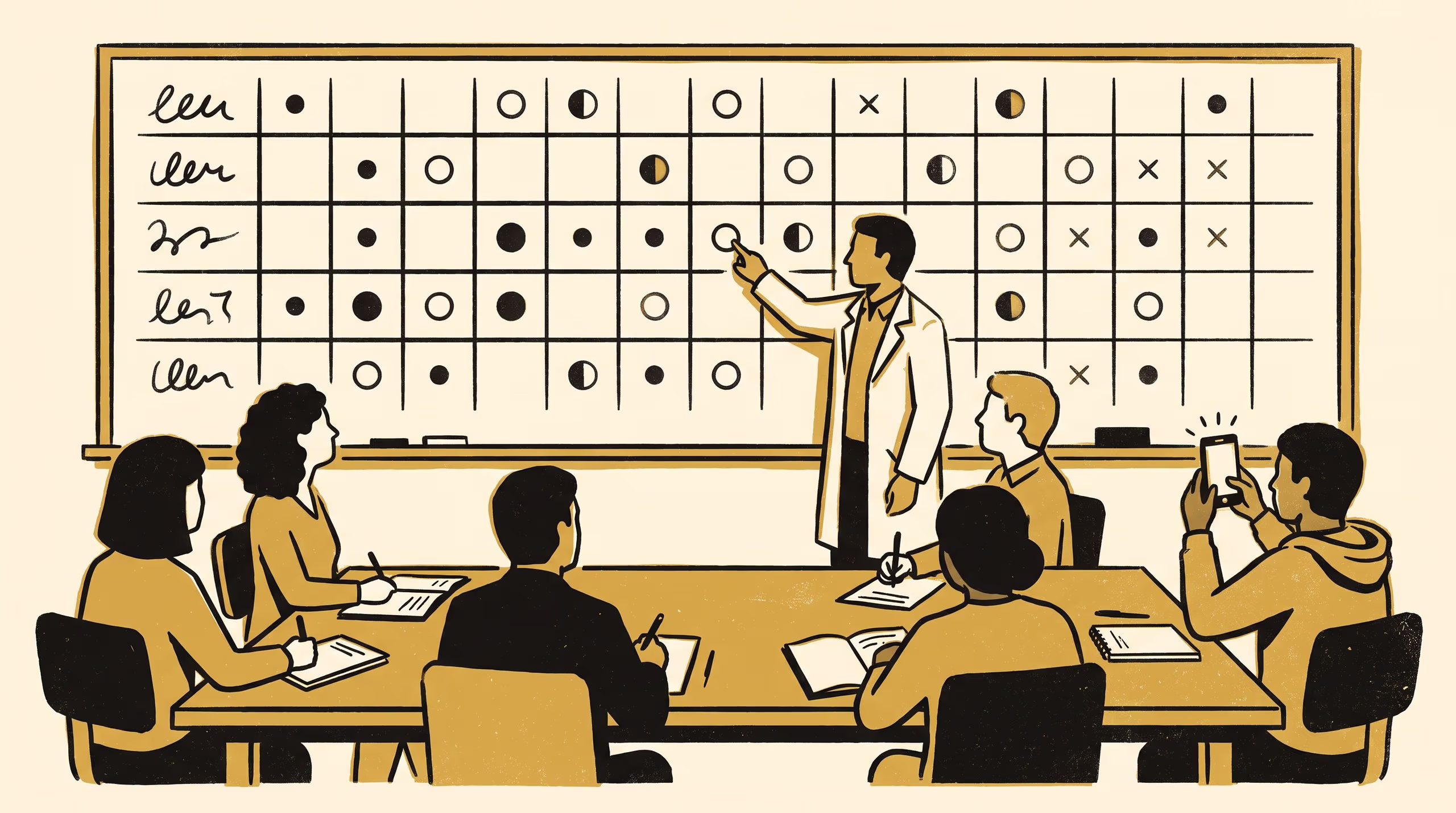
Dr Ingrid Vasseur and Dr Osei Vandermeer follow a research group through 54 weekly meetings held in front of a whiteboard grid that decides which questions can be asked.
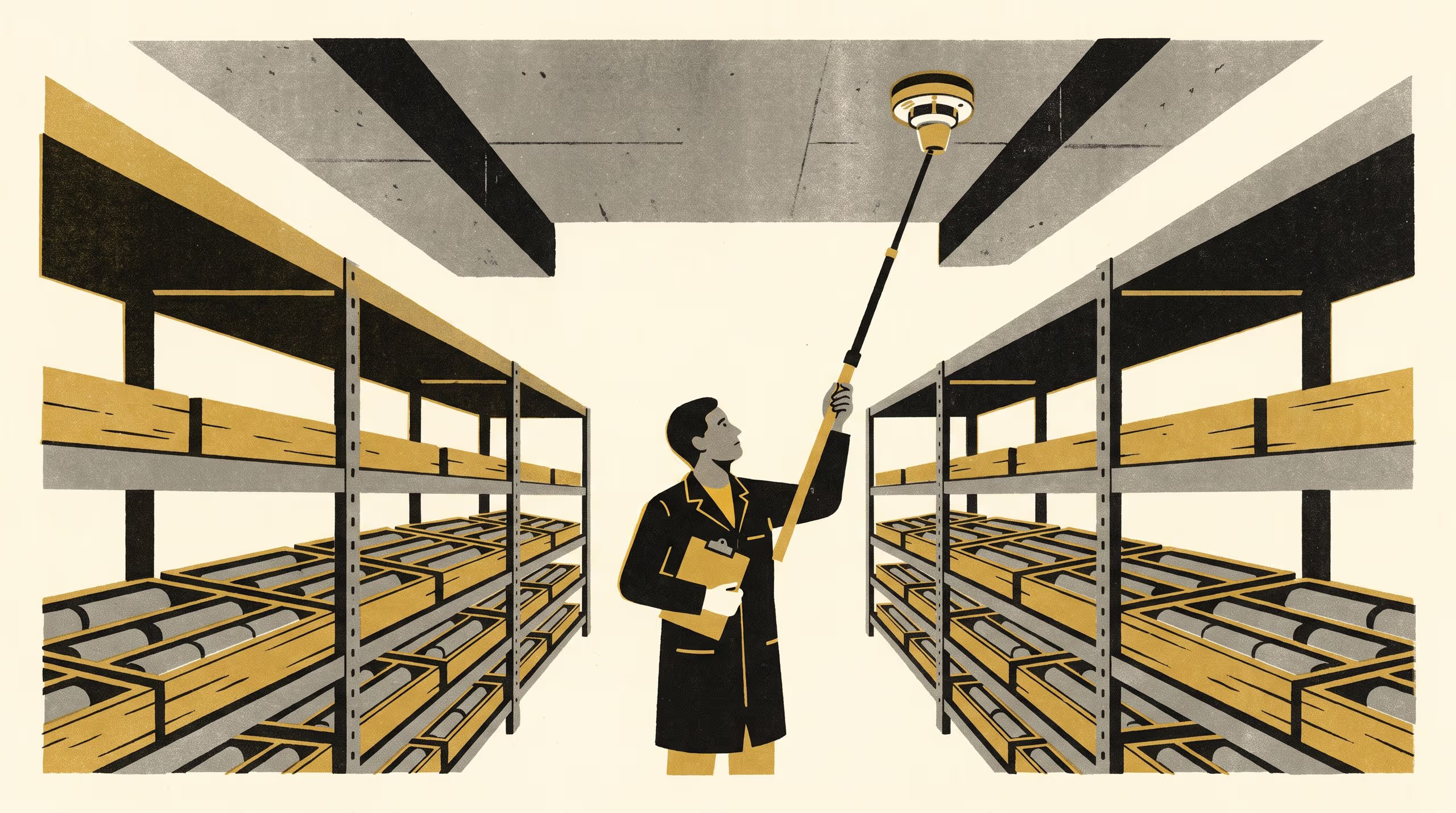
A new portrait campaign from the School of Underlying Conditions shows the monthly smoke-detector test in the basement store where its drill core is kept.
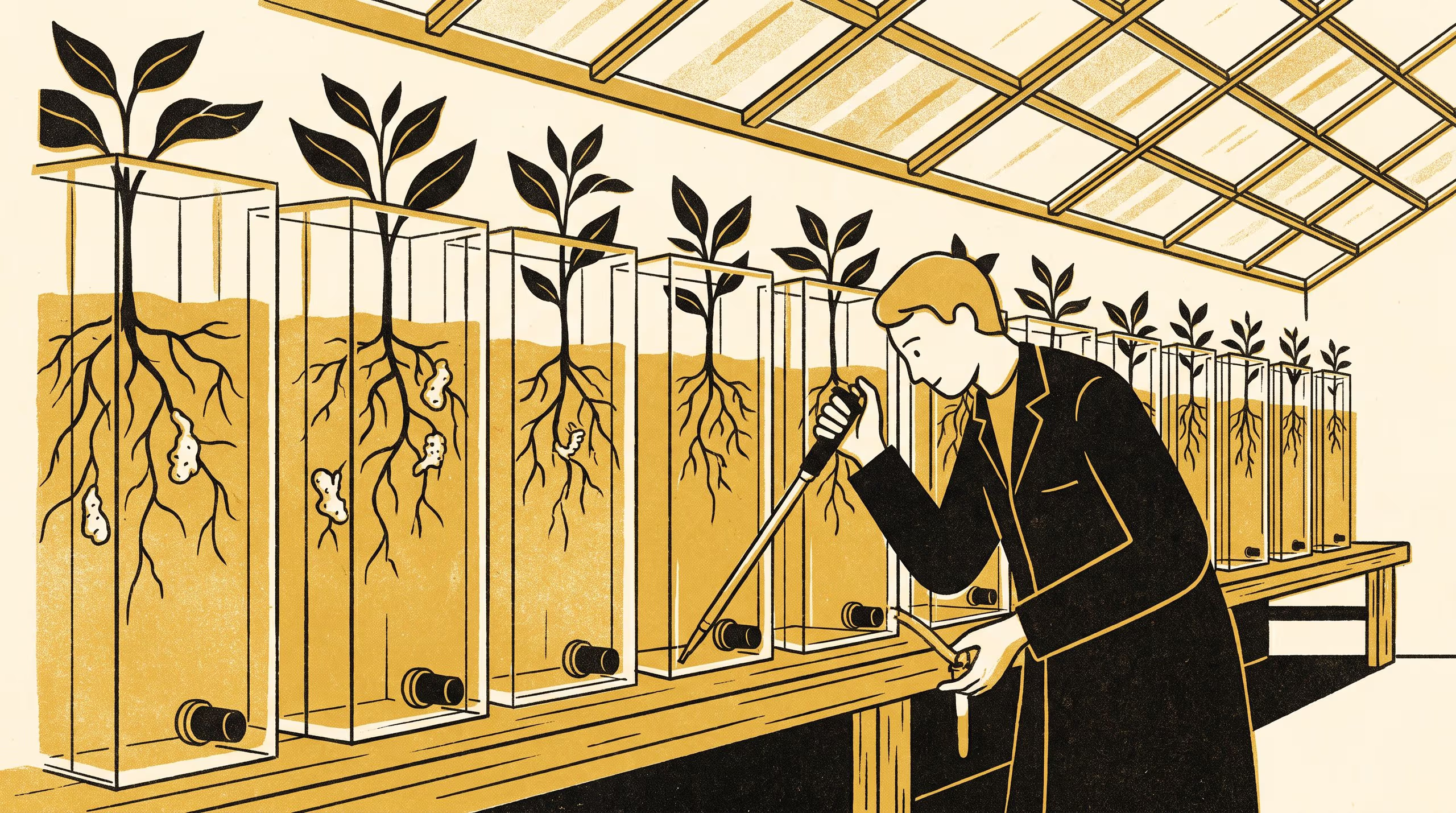
A new research-showcase brochure introduces the University's work on parasitic plants and host resistance, from the soil pit and the glasshouse root box to the trial plot and the committee room.
Ms Ylva Ogunbanjo, Dr Fenna Okoro and Associate Professor Kwame Lindqvist find that when a forecast is written matters as much as who writes it.
A new brochure from Dr Brynjar Obiora, Associate Professor Ragnhild Uzoma and Dr Ingeborg Nwachukwu invites the town into the laboratory where the School prepares compounds the district's ground has never held.
A new research poster codes 1,412 welfare clauses across nine editions of a regional water utility's staff handbook and finds the provisions multiplying while the employer, as the grammatical provider, all but disappears from them.
A new brochure from Slop University invites partners and donors to support research in which one School's instruments are taken up on another School's questions.