Research-led, metrics-forward, and continuously improving. News from the Office of Research Outputs.
2 November 2026
A paper from the School of Emergent Priorities finds that when people say a past psychedelic experience cannot be put into words, they almost always go on to put it into words, and on a second telling largely the same ones.
Dr Brynjar Obiora, Associate Professor Kwame Lindqvist and Dr Runa Adegoke find that a volunteer-run bookshop reprices its stock on a roster, not as books go unsold.
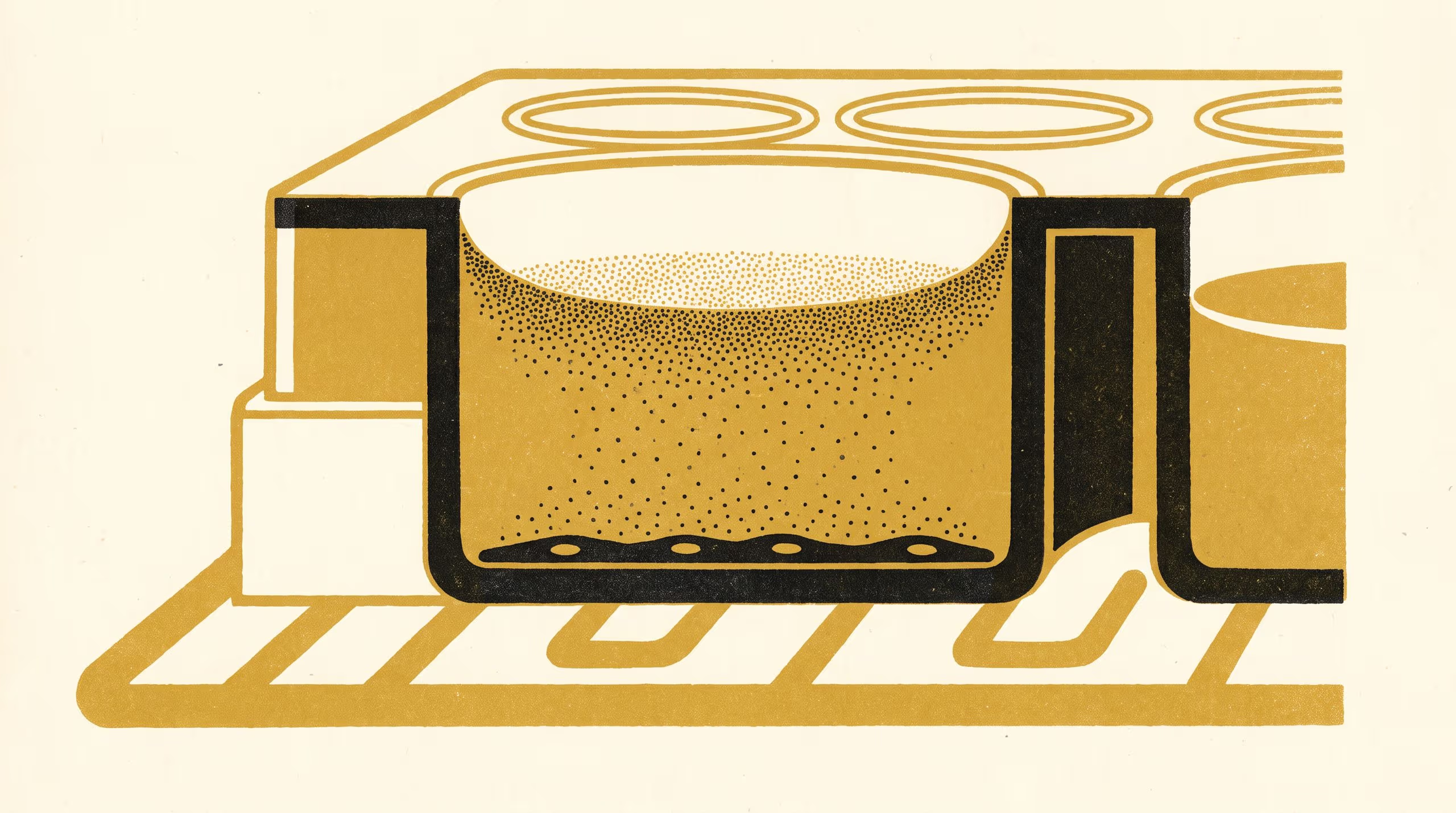
A paper from the School of Underlying Conditions finds that the depth of medium over one carcinoma cell line sets the oxygen its cells receive in a standard incubator, and with it much of the line's glycolytic phenotype.
A research poster from the School of Underlying Conditions derives how many logger readings a groundwater slug test needs before further readings add no further resolution, and tests the rule on synthetic and field recoveries.
Dr Anneke Tolan, Associate Professor Casimir Beng and Dr Bram Ntuli read a ship-recycling cutting plan as seventeen loading conditions and find the order of the cuts decides how close the water comes.
A research poster from the School of Underlying Conditions reads 412 short-story typescripts submitted to an island broadcaster's story programme and follows the scene in which a kept secret becomes common knowledge.
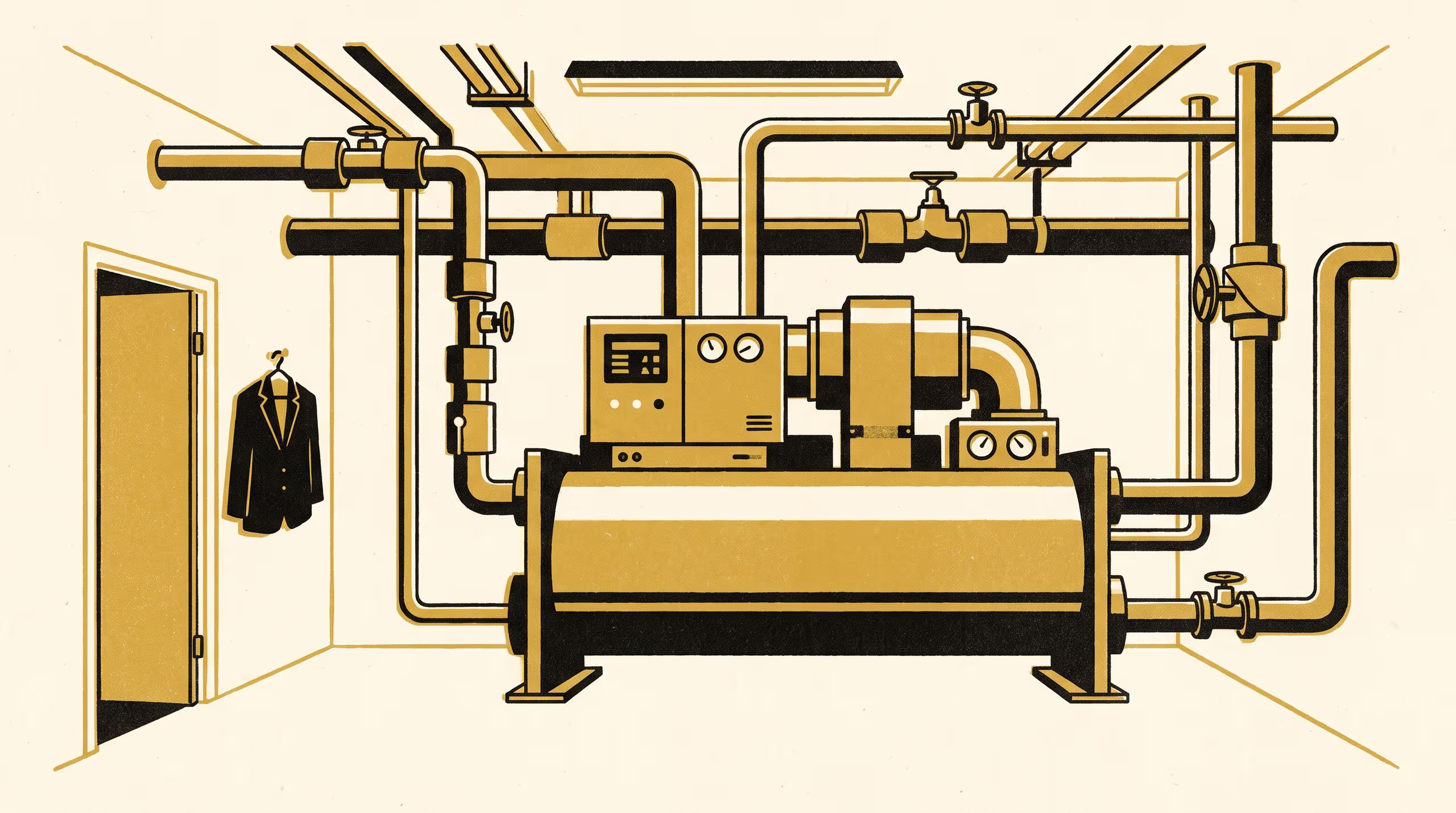
A new research poster from the School of Continuous Improvement finds that the meeting rooms where jackets go back on decide how much cooling energy a jacket-optional summer actually saves.
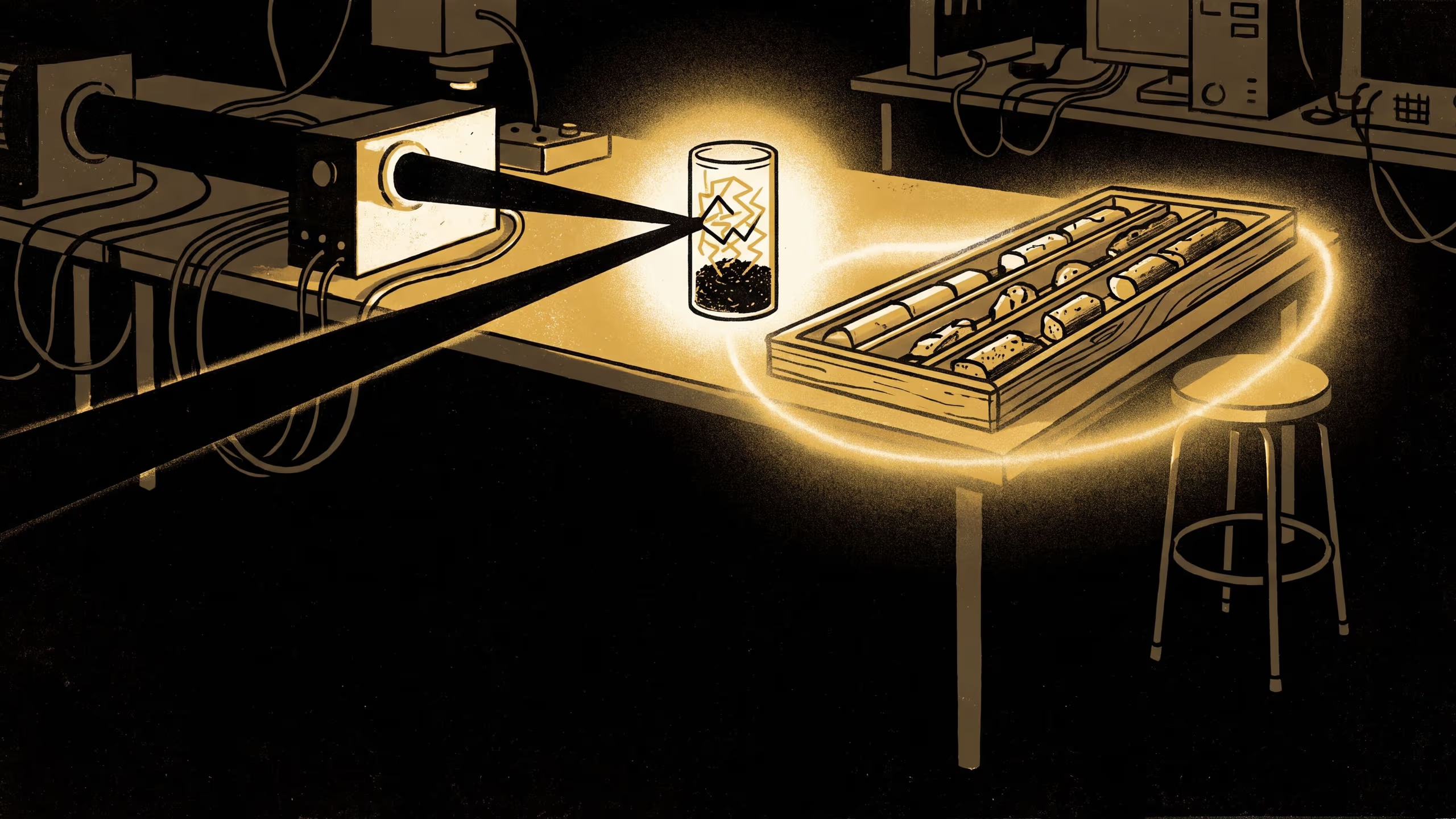
A new campaign for the University's landscape screens presents the School of Underlying Conditions' work on light that scatters so often inside a prepared sample that it begins to lase.
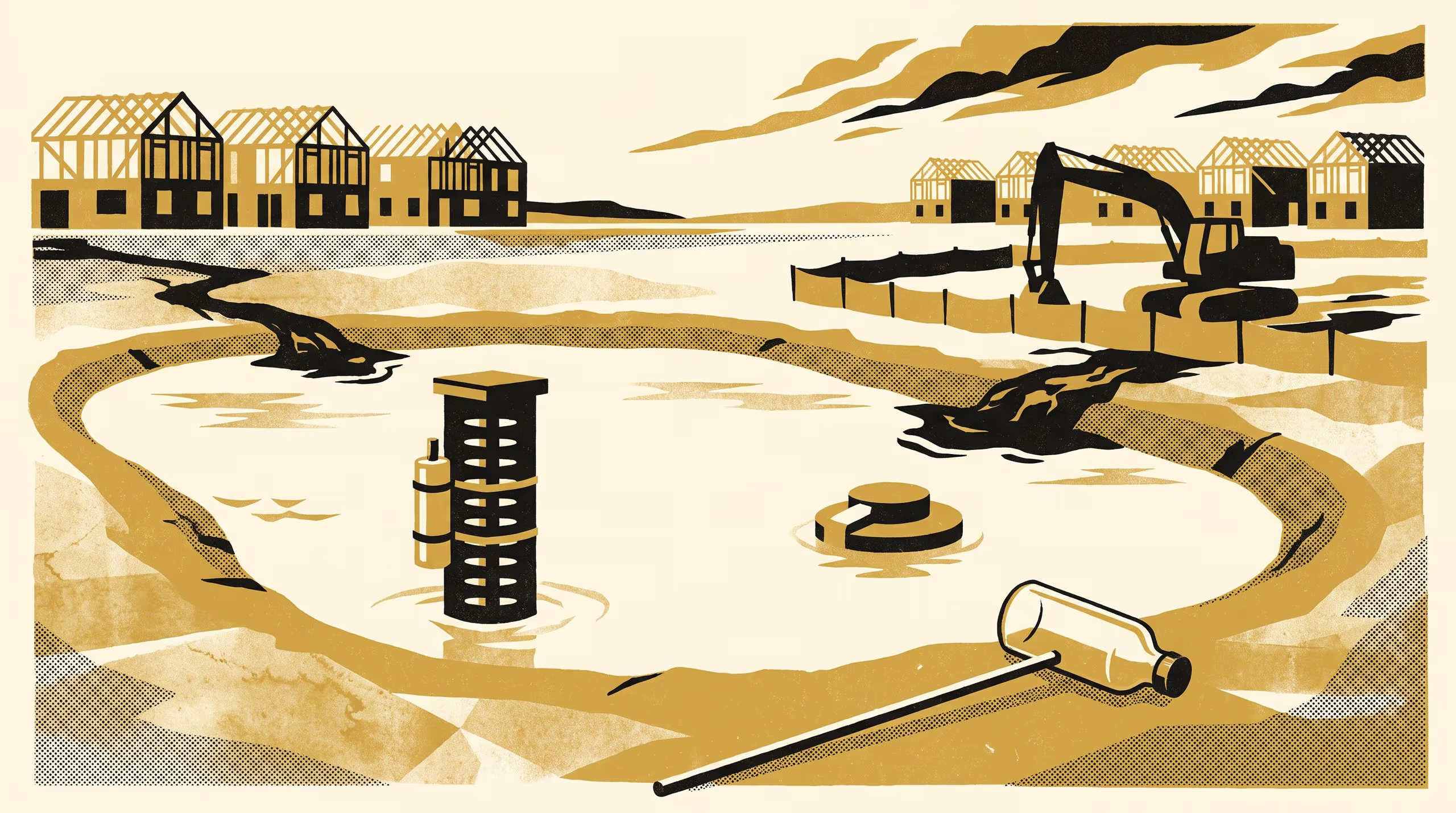
A paper from the School of Underlying Conditions replays six grab-sample timing rules on continuous outlet records from nine construction sediment basins, and finds the choice of rule moves a site's reported turbidity about three times as much as the choice of basin.
Eivind Onwuka and Associate Professor Casimir Beng find that where an operator lays the cables can decide whether an electronic unit passes its emissions test.
A research poster from the School of Underlying Conditions reads one exploration drilling contract word by word and finds that its payment terms rest on a word it never defines.
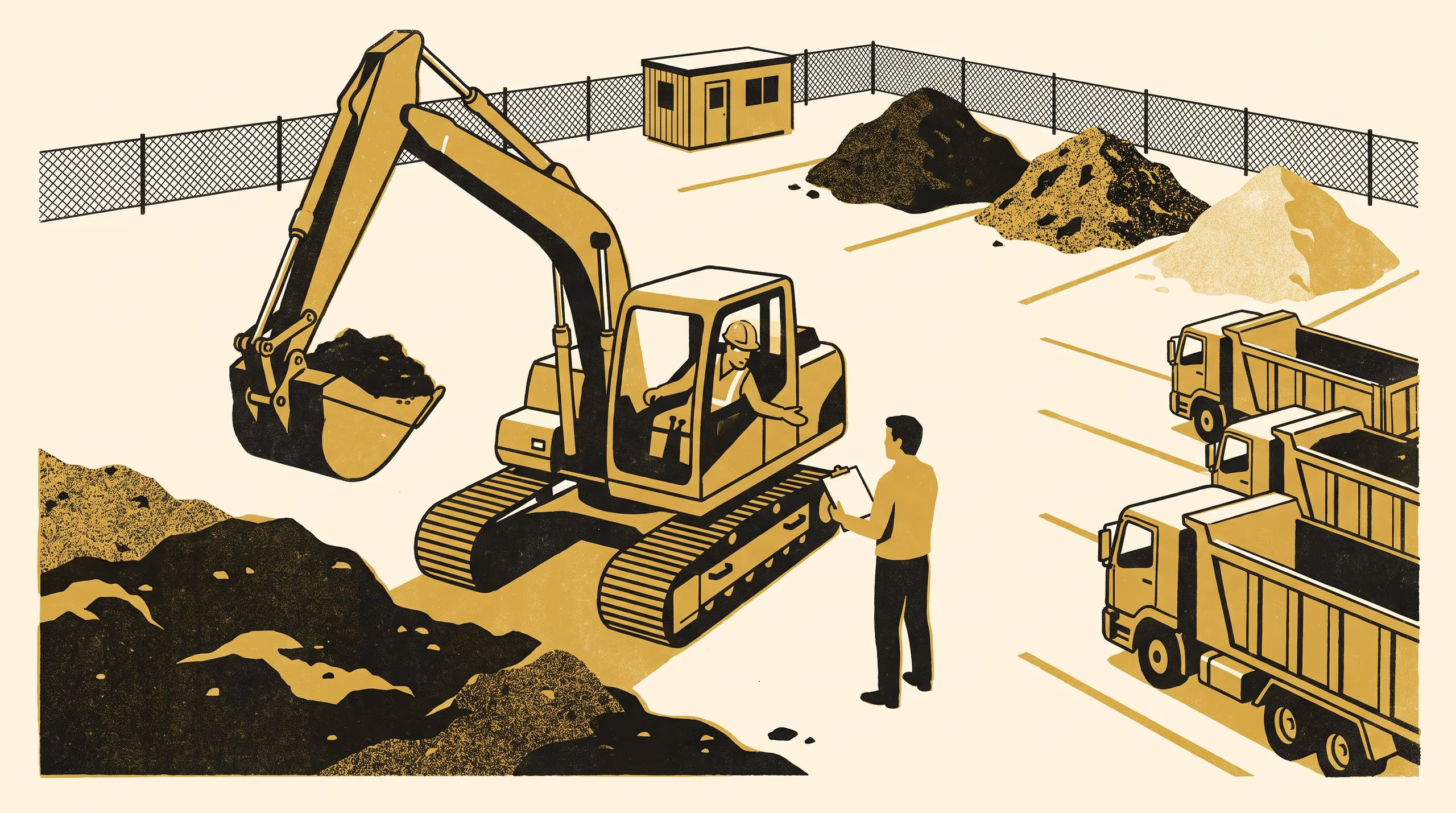
A research poster from the School of Underlying Conditions traces how a remediation project's working vocabulary for coal-tar-impacted soil was settled at the excavation face before the site meeting minutes recorded it.