Research-led, metrics-forward, and continuously improving. News from the Office of Research Outputs.
30 October 2026
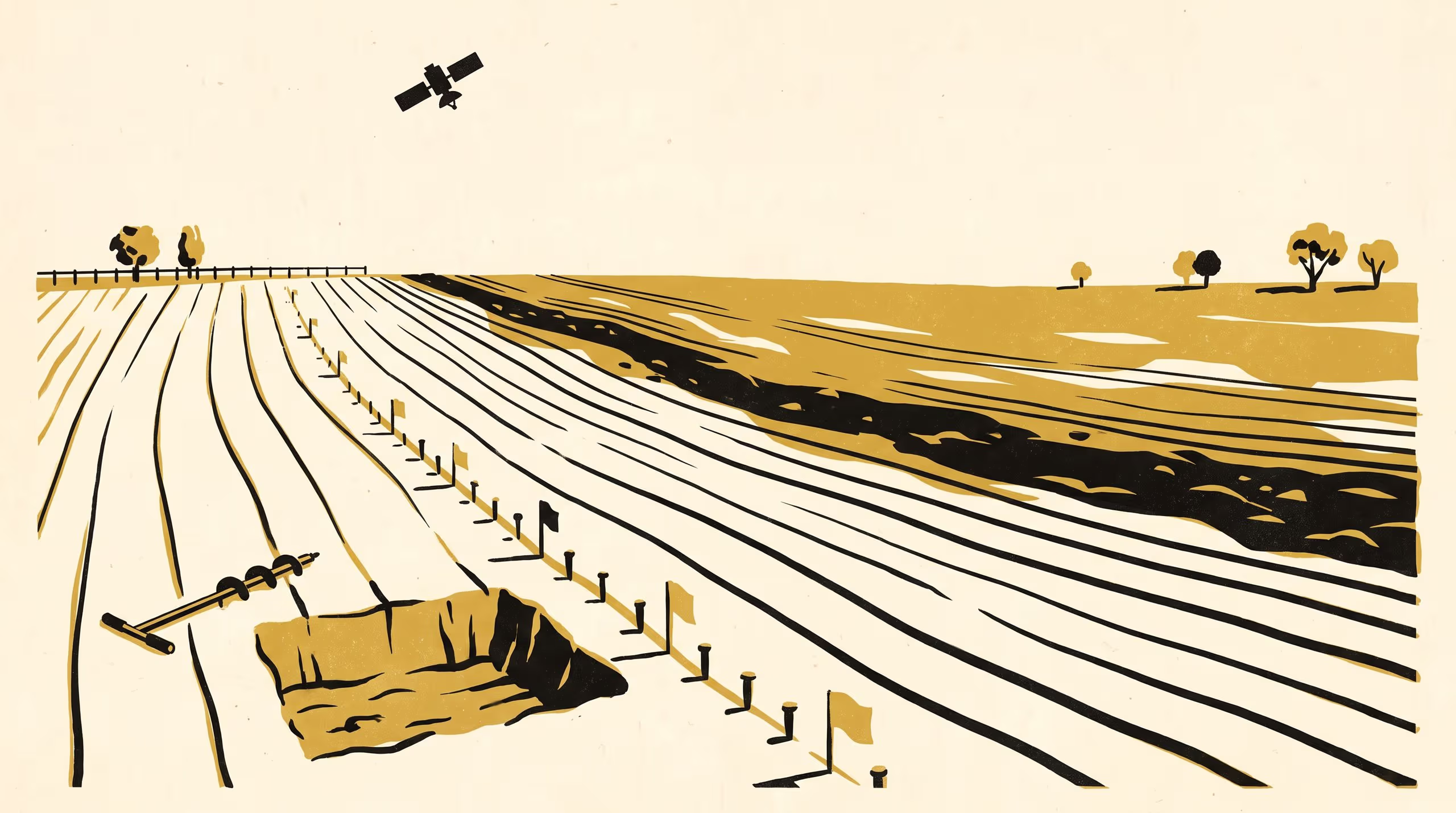
A new paper from the School of Underlying Conditions finds that satellite composites and auger surveys place the same soil boundary tens of metres apart, and explains the gap from the depth of the paddock's cultivation.
A new research poster from the School of Continuous Improvement simulates two-desk sign-in at the Capability Sprints workshops and recommends splitting name badges at K rather than M.
A new research poster finds that abbreviating common fluorinated groups in a chemical language model's vocabulary changes which molecules the model goes on to propose.
A new research poster reads the minute books of owners-corporation committees as legal philosophy and finds that their meetings applied a standard of compliance their by-laws never wrote down.
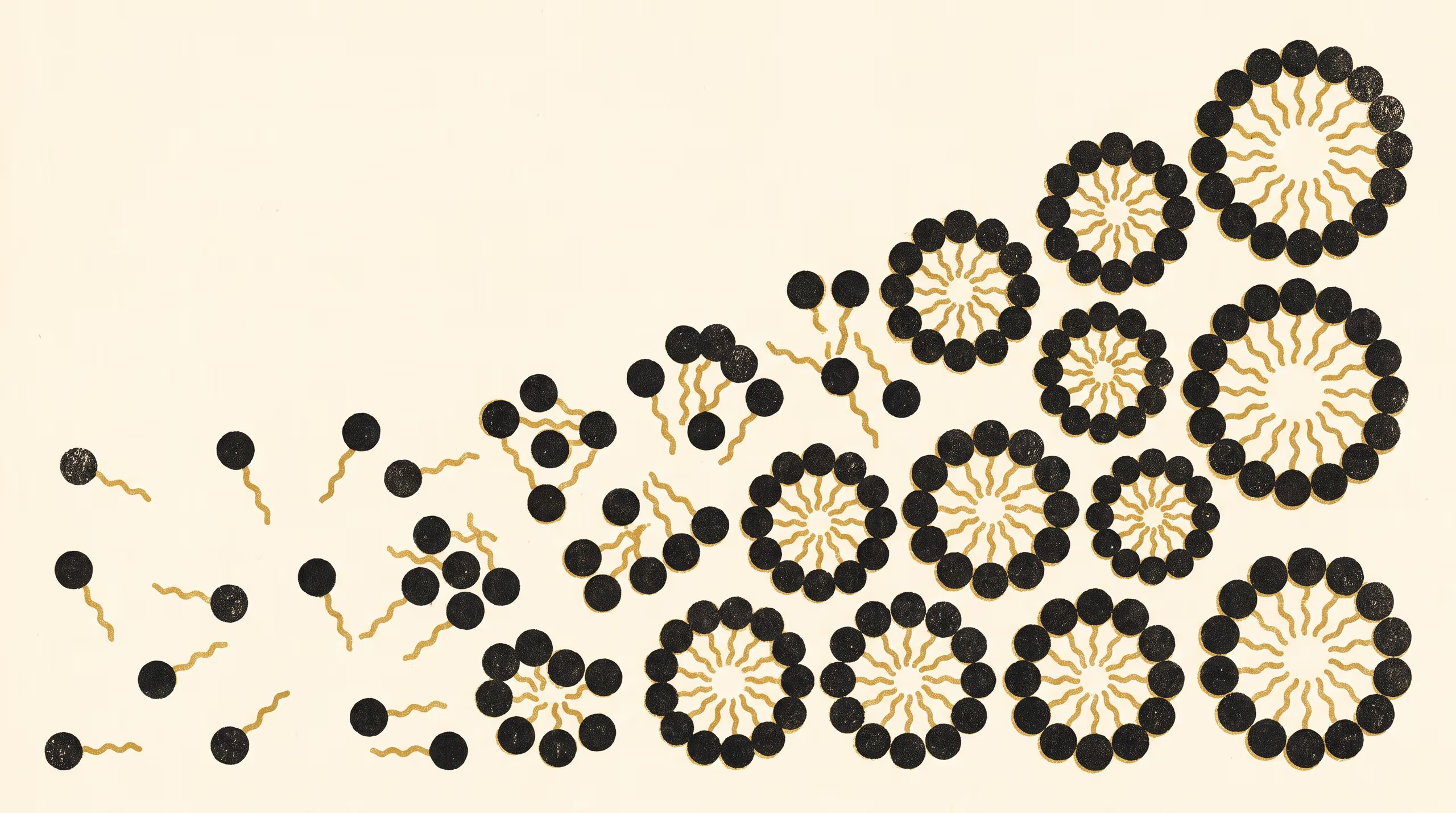
A new paper from the School of Underlying Conditions asks what a surfactant solution can compute for itself, and answers with three theorems and one familiar curve.
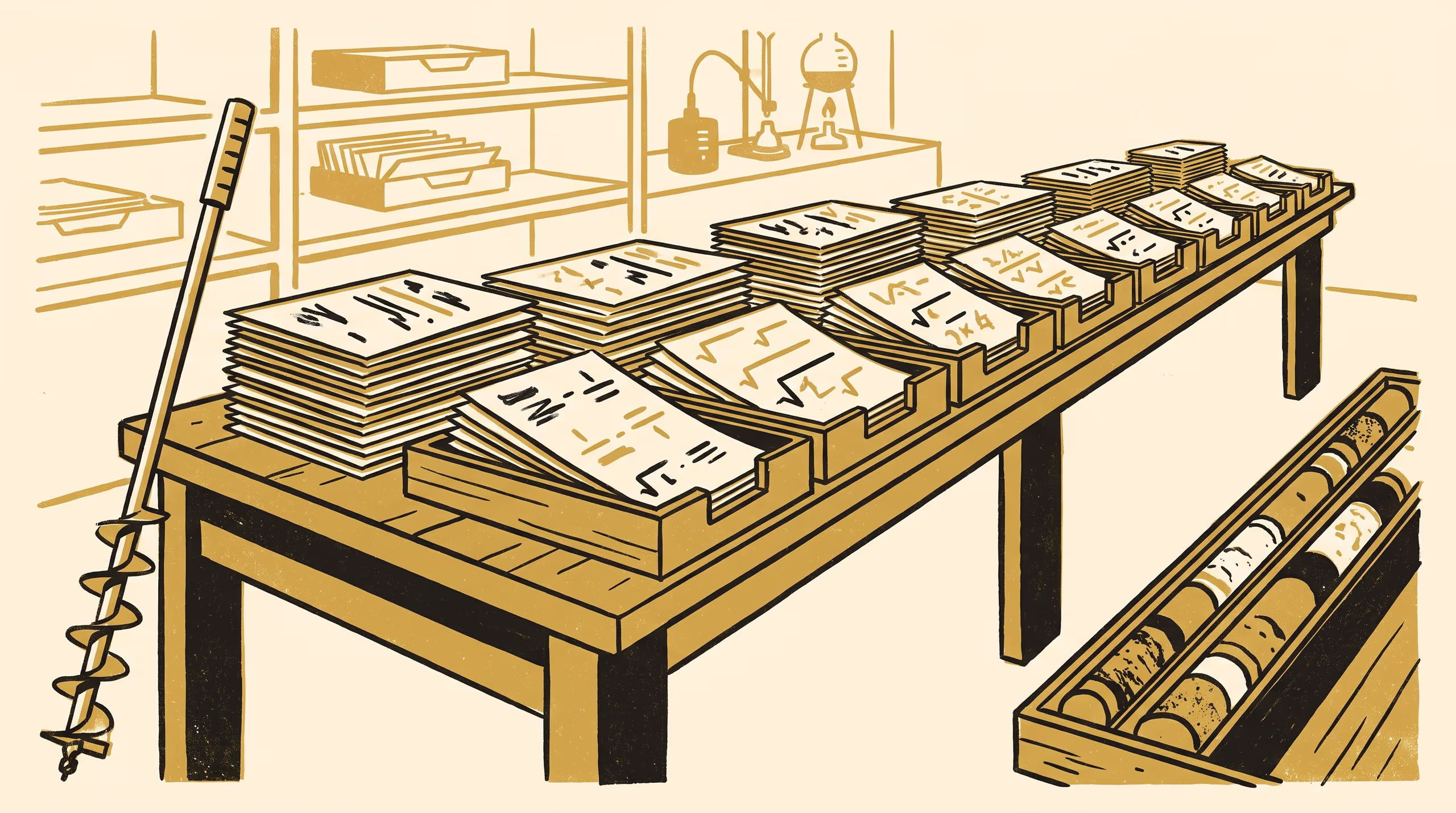
A new paper from the School of Underlying Conditions works through 9,318 equations typeset across a soil survey's report archive and settles on 1,322 distinct formulae, with a reference set for the near-identical rest.
A new research poster from the School of Emergent Priorities follows every swap between pupils' lunchboxes across a school term and finds that fruit is traded far more than anything else.
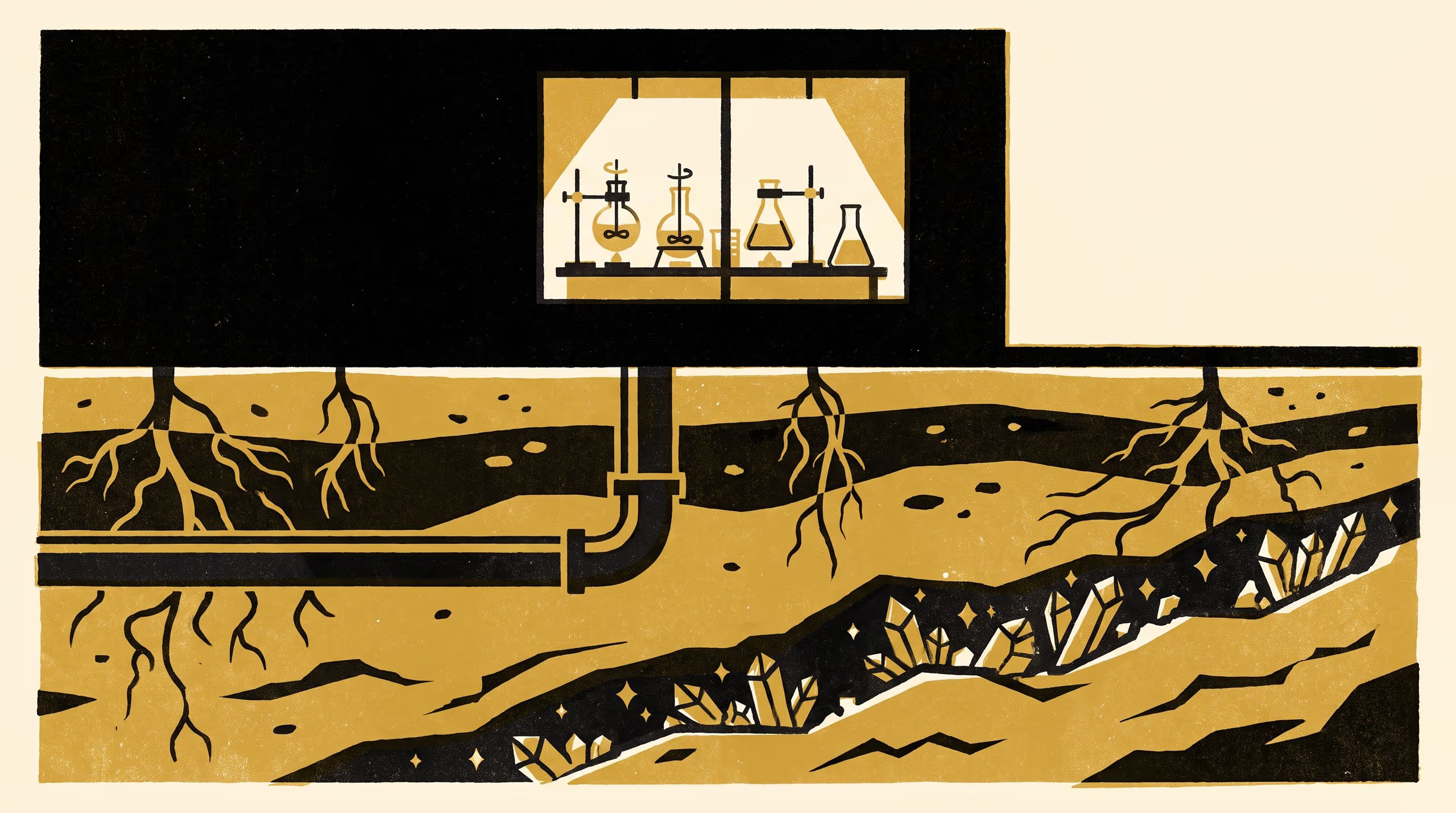
A prospectus brochure from the School of Underlying Conditions invites research students into organic synthesis at an earth sciences school, where the reaction left running overnight is treated as the centre of the working day.
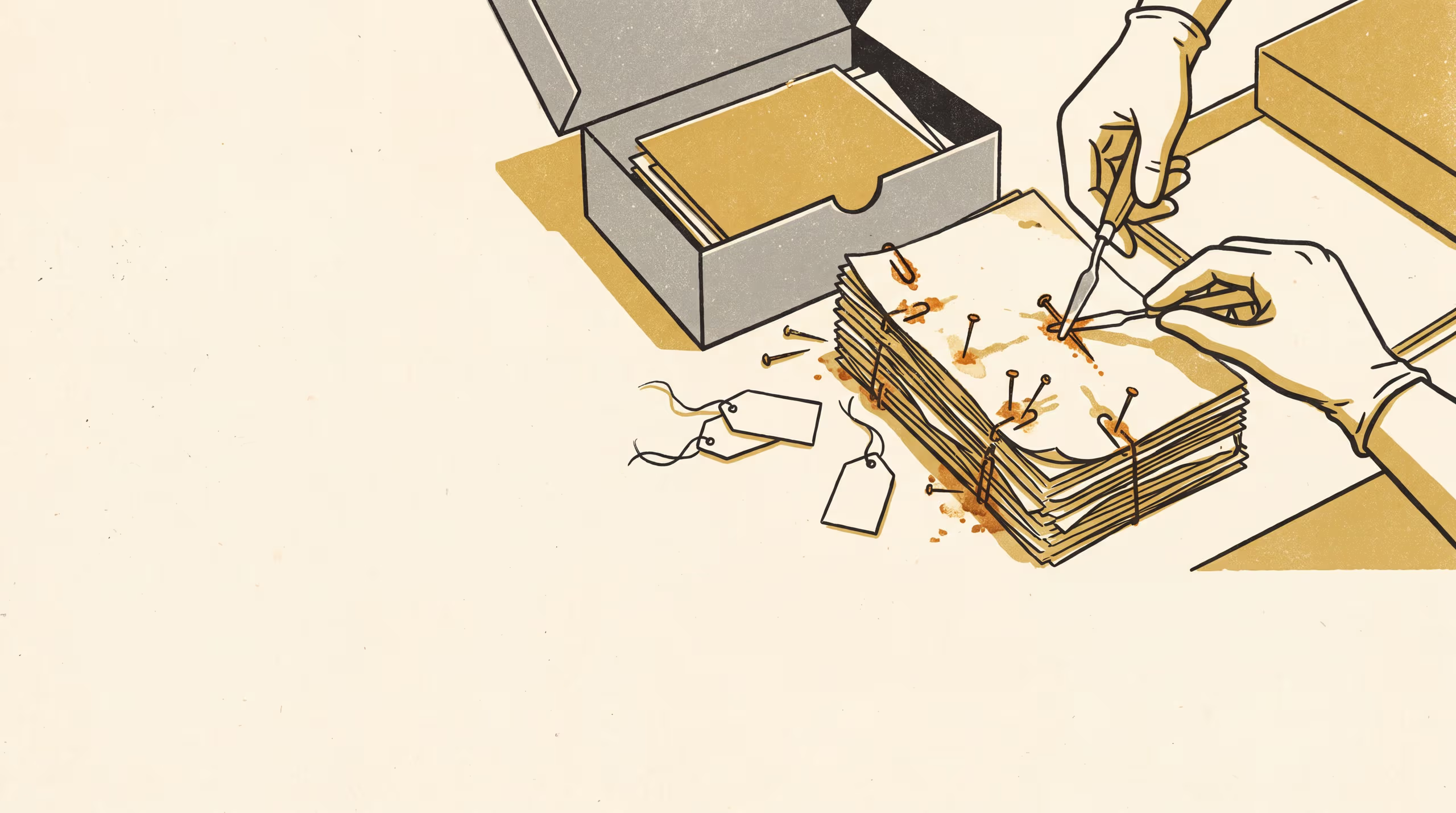
A new research poster surveys the pins, clips and staples in a library's trade-literature deposit and finds that many are the only surviving record of which price list was used with which catalogue.
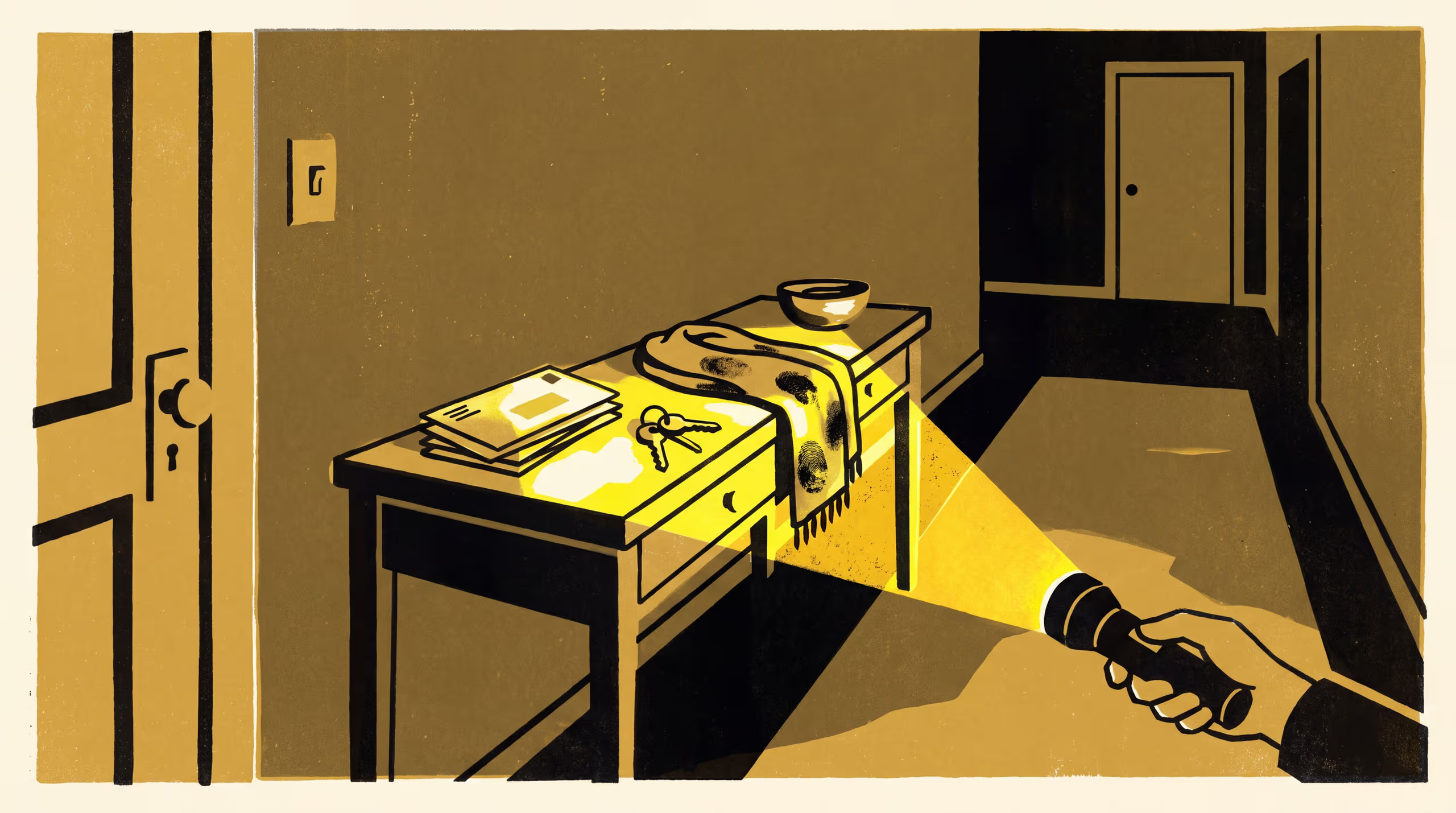
A new research poster describes a luminescent europium film that keeps a lasting record of the hands that lift an object, and follows it onto the mail, laundry and shoes of 24 households.
A paper from the School of Underlying Conditions traces how an instrument that reached the University's soil-water laboratory without a single request came, over thirty-one months, to have more work than its Thursdays could hold.
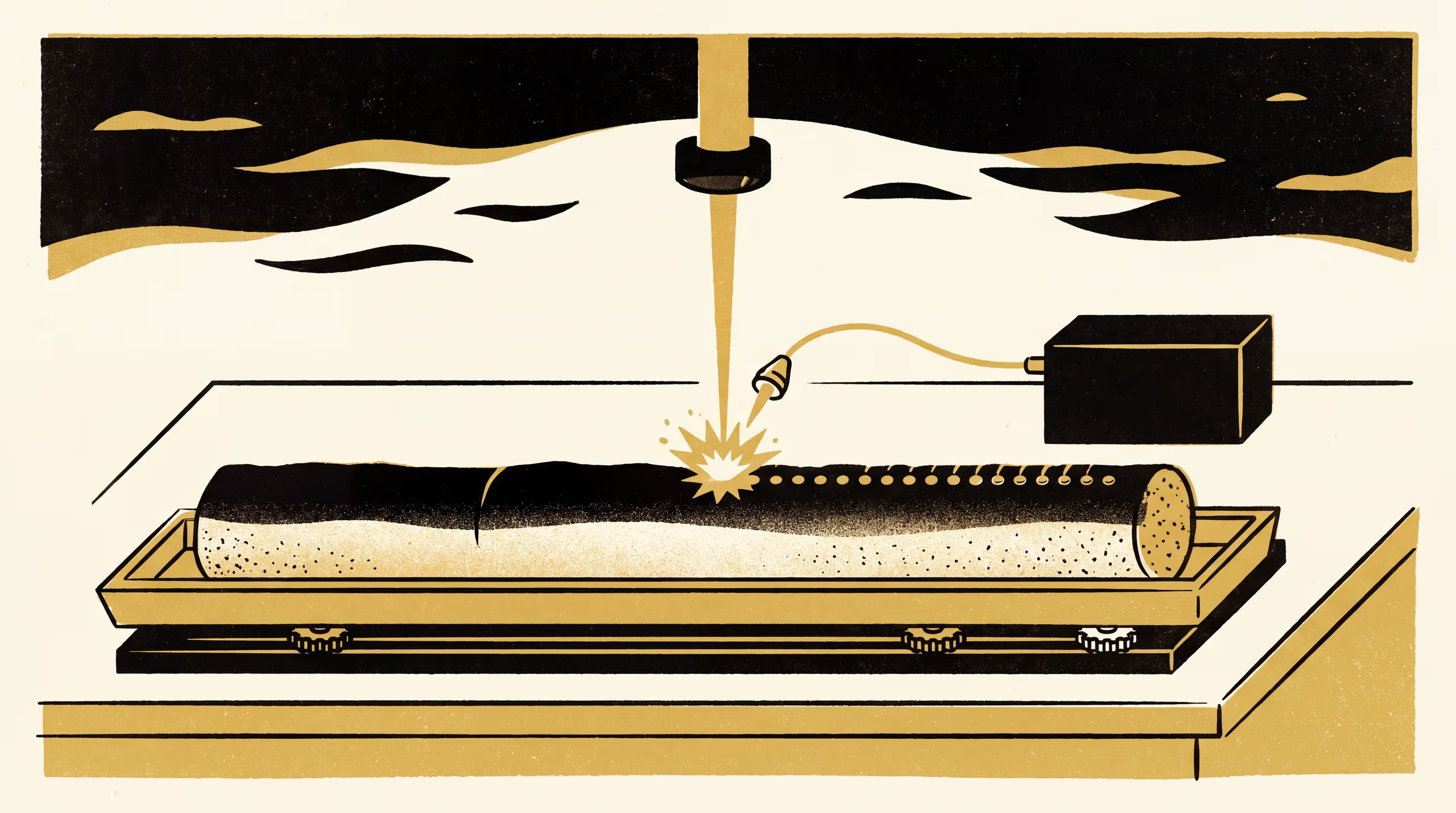
A new research poster scans one soil core with a laser a millimetre at a time and finds that eight elemental readings of the boundary between two soils agree only once the spark itself is measured at every shot.