Research-led, metrics-forward, and continuously improving. News from the Office of Research Outputs.
25 September 2026
A Slop University paper scores 142 council-contracted school-crossing sites against a five-level maturity index built from payroll check-in data, and reports the casual-cover staffing policy several councils have since tied to it.
A Slop University research poster surveys drivers queued at a campus car-park boom gate on their self-reported patience threshold, reporting the results as a distribution, and finds the University adopting the pooled 70th percentile as a fixed grace period before the gate's reversing alert.
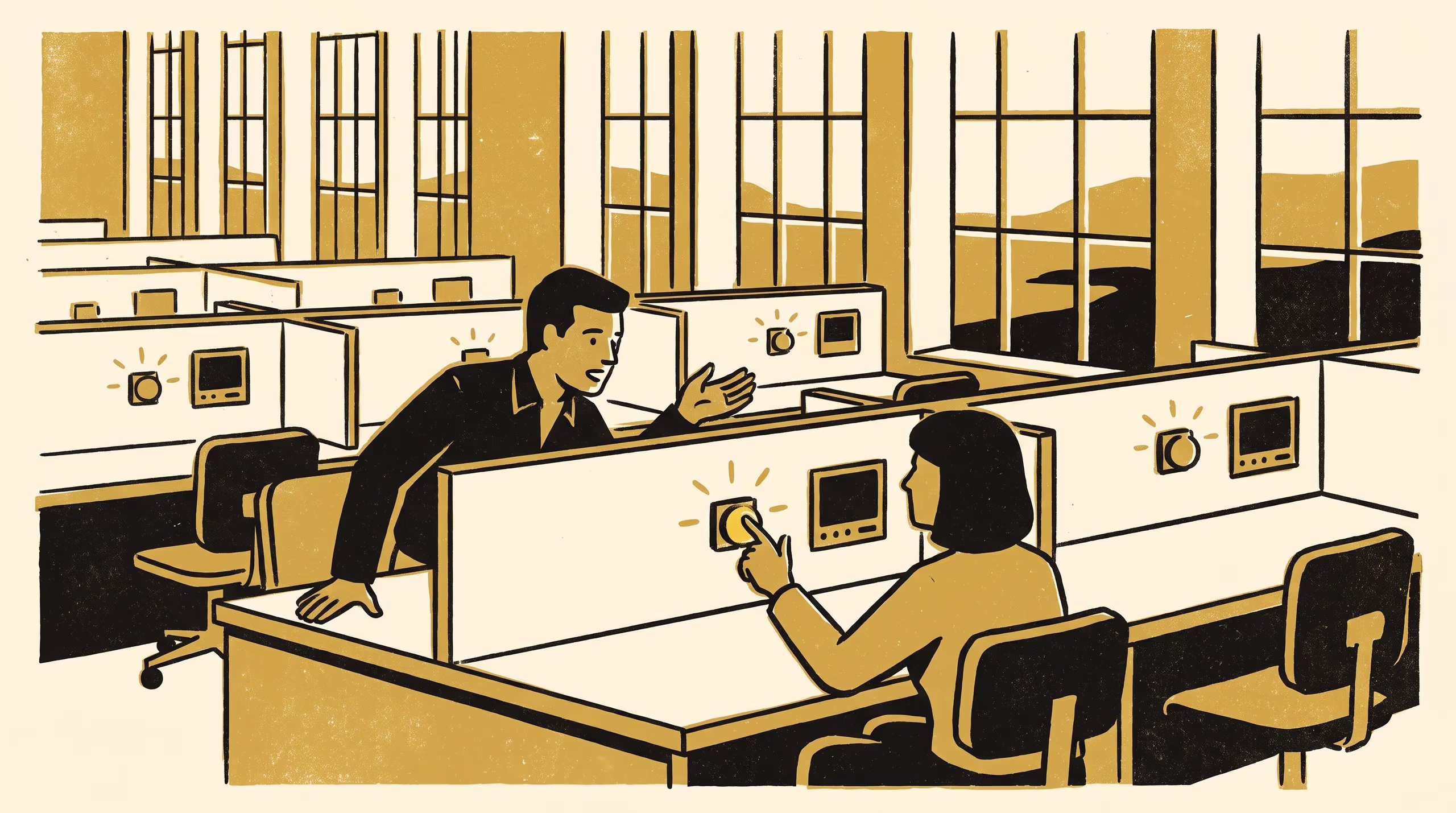
A Slop University paper reports a desk-mounted button that sorts open-plan-office interruptions into six kinds, and a regional insurer's decision to gate quarterly window-row desk allocation on the resulting ratio.
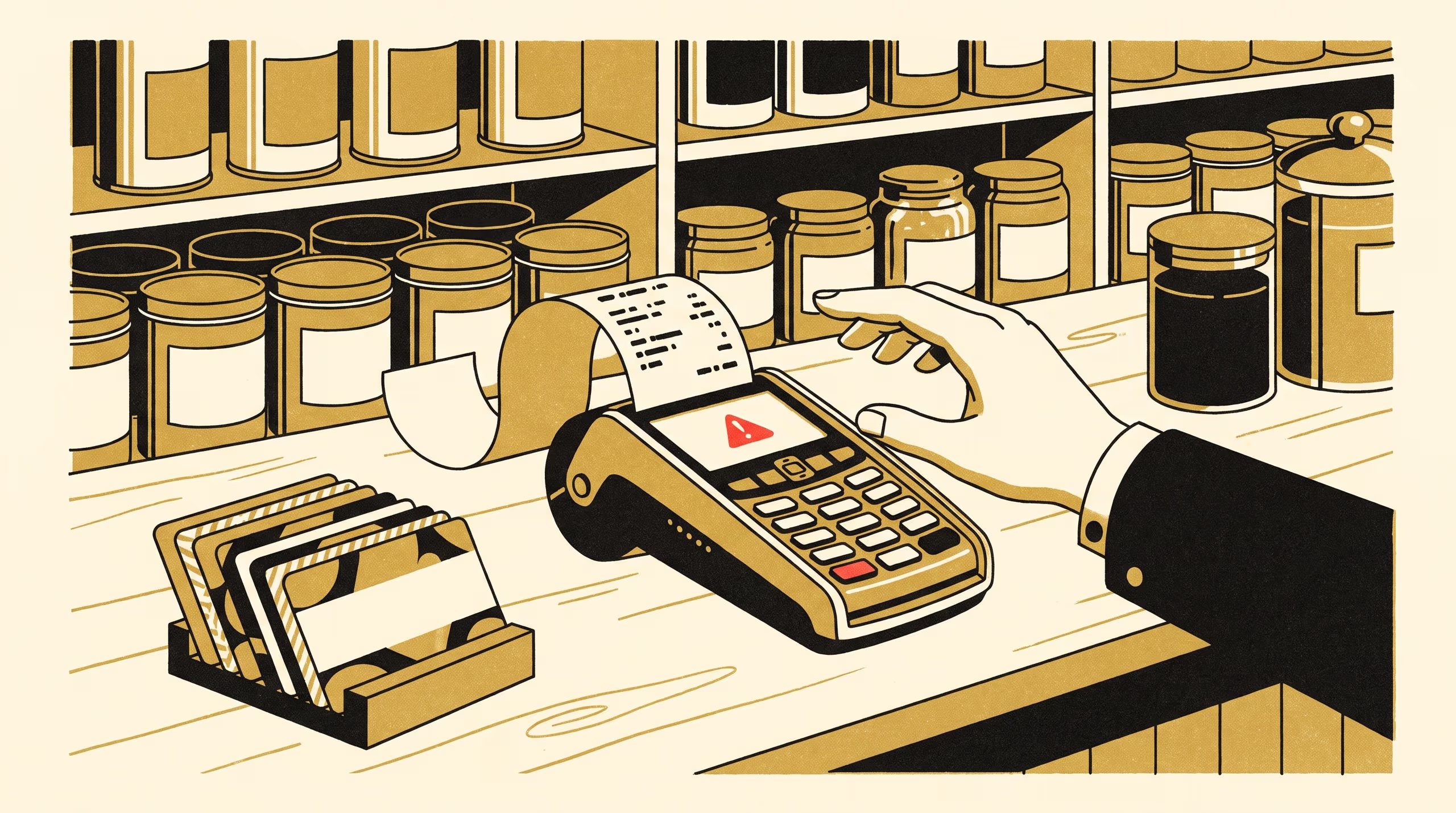
A Slop University paper scores how supermarkets, strip-mall traders and food trucks recover from a declined EFTPOS payment, and reports a trading-precinct association's adoption of the top rating as its directory-listing threshold.
A Slop University paper surveys self-rated fairness of shared-facility time across community sheds, sports clubs, choirs and allotment societies, finding sheds alone split into two scoring groups, after which a regional facilities trust ties its equipment-grant tier to the shed score.
Slop University's Strategic Plan 2026-2031 commits every future rollout above a modest scale to a built-in comparison, after an uneven firmware update to residential kitchen fridges produced one by accident.
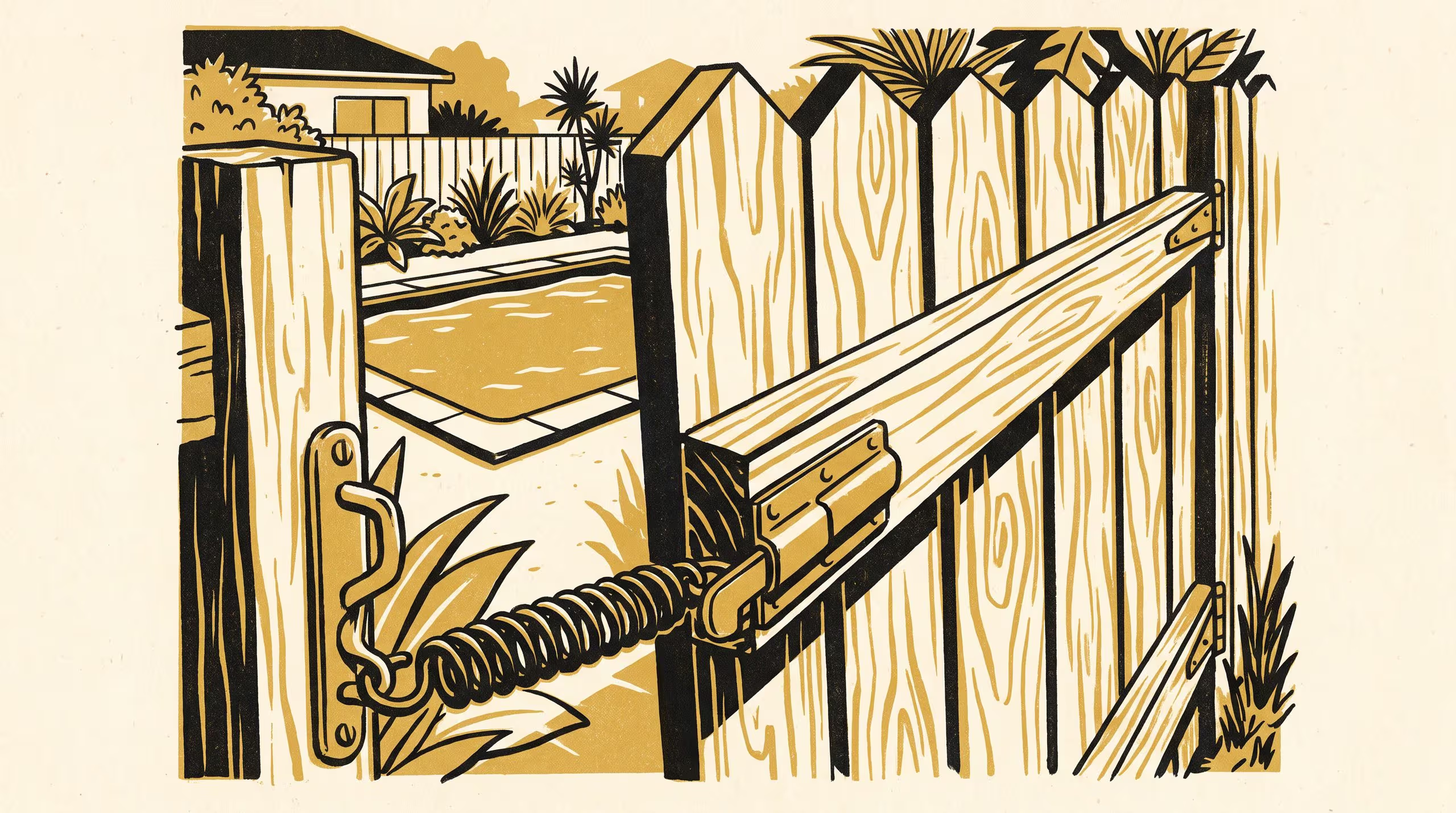
A Slop University paper finds backyard-pool gate self-latching tracks the certified depth line that triggers fencing law, not the pool's actual depth, and the finding now shapes the University's staff-housing subsidy terms.
24 September 2026
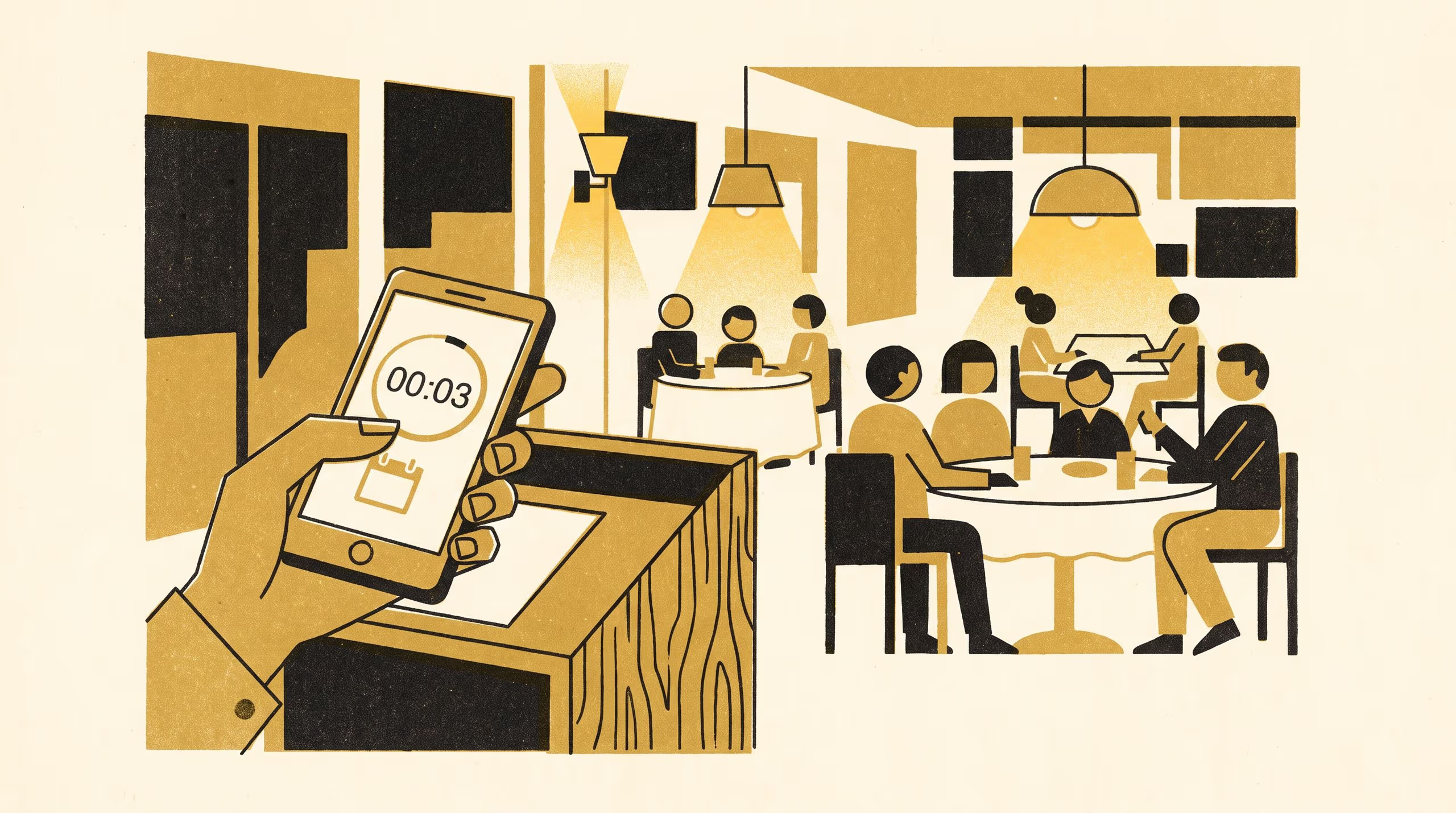
A marketing brochure turns a booking app's twelve-minute confirmation window into the rule that now decides a Slop University grant offer.
A Slop University paper interviews 58 residents across 34 households living under a smart hot-water system's Household Thermal Consideration Score, finding its throttling judgements reorganise domestic blame and ritual rather than the consideration it was built to encourage.
A Slop University research poster interviews booking-app hosts about the canned apology and concession messages they send before a review posts, and proposes logging every one against a four-code taxonomy called MEND.
A Slop University paper finds retail managers filing performance reviews in the deadline's final hour regardless of reminder timing, and reports the chain's new four-hour lock moving the crowd rather than the habit behind it.
A Slop University impact report follows a five-year household object-tracking study into a national home-organising franchise's pricing engine, cleared on a fixed annual review by a state audit office.