Research-led, metrics-forward, and continuously improving. News from the Office of Research Outputs.
12 October 2026
The School of Underlying Conditions has published a research showcase presenting its work on storage, spare capacity and long-held collections as a contribution to the security-of-supply conversation.
A paper from the School of Continuous Improvement and the School of Underlying Conditions re-examines a sorted series of dung beetles and withdraws one of its twenty-three kinds.
The School of Underlying Conditions has published a case-for-support brochure inviting partners to back the protection of buried sites where they lie.
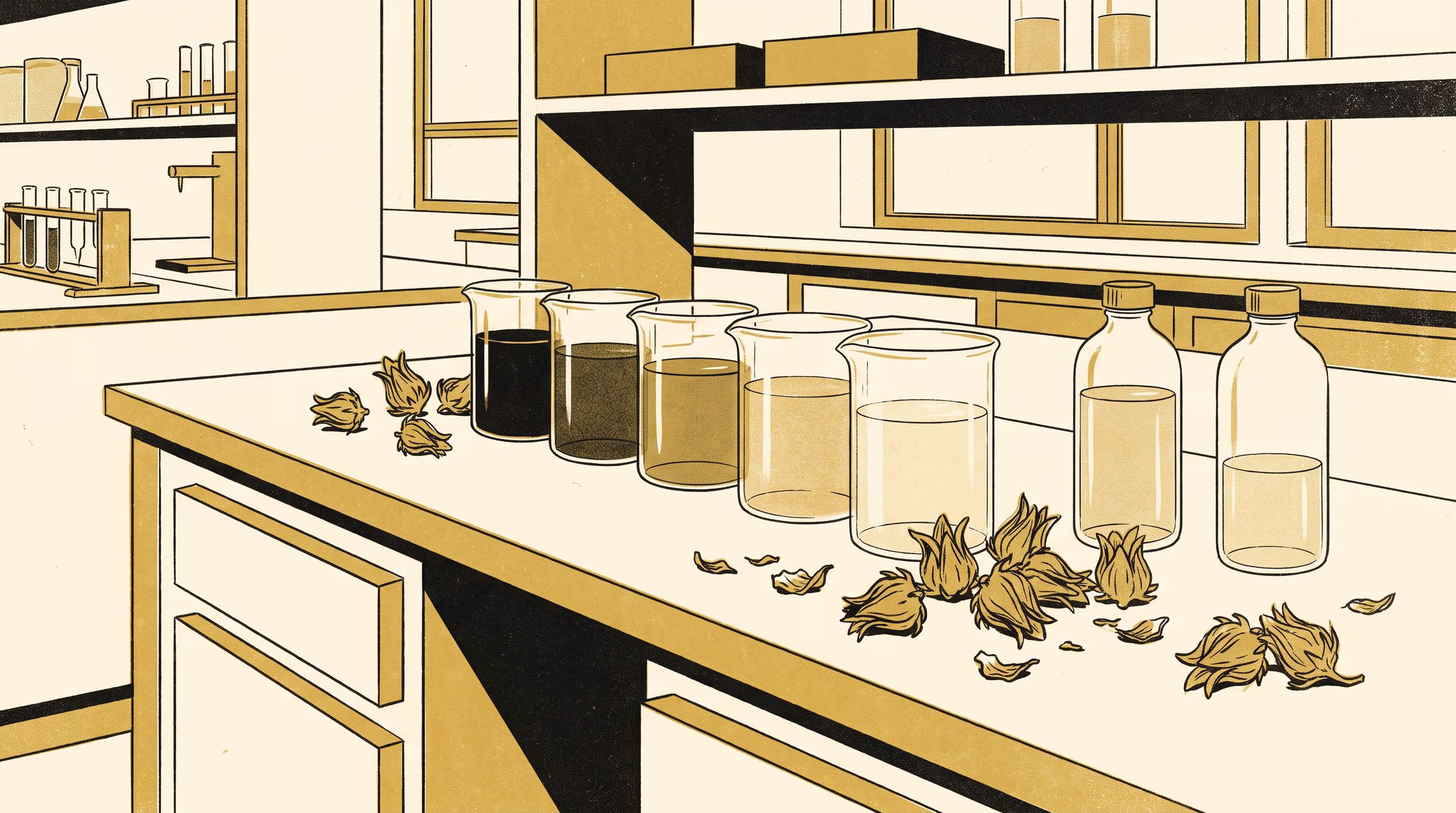
A Slop University paper infuses one lot of roselle calyces in water from twelve monitoring bores and finds that the alkalinity of the water governs the colour of the result.
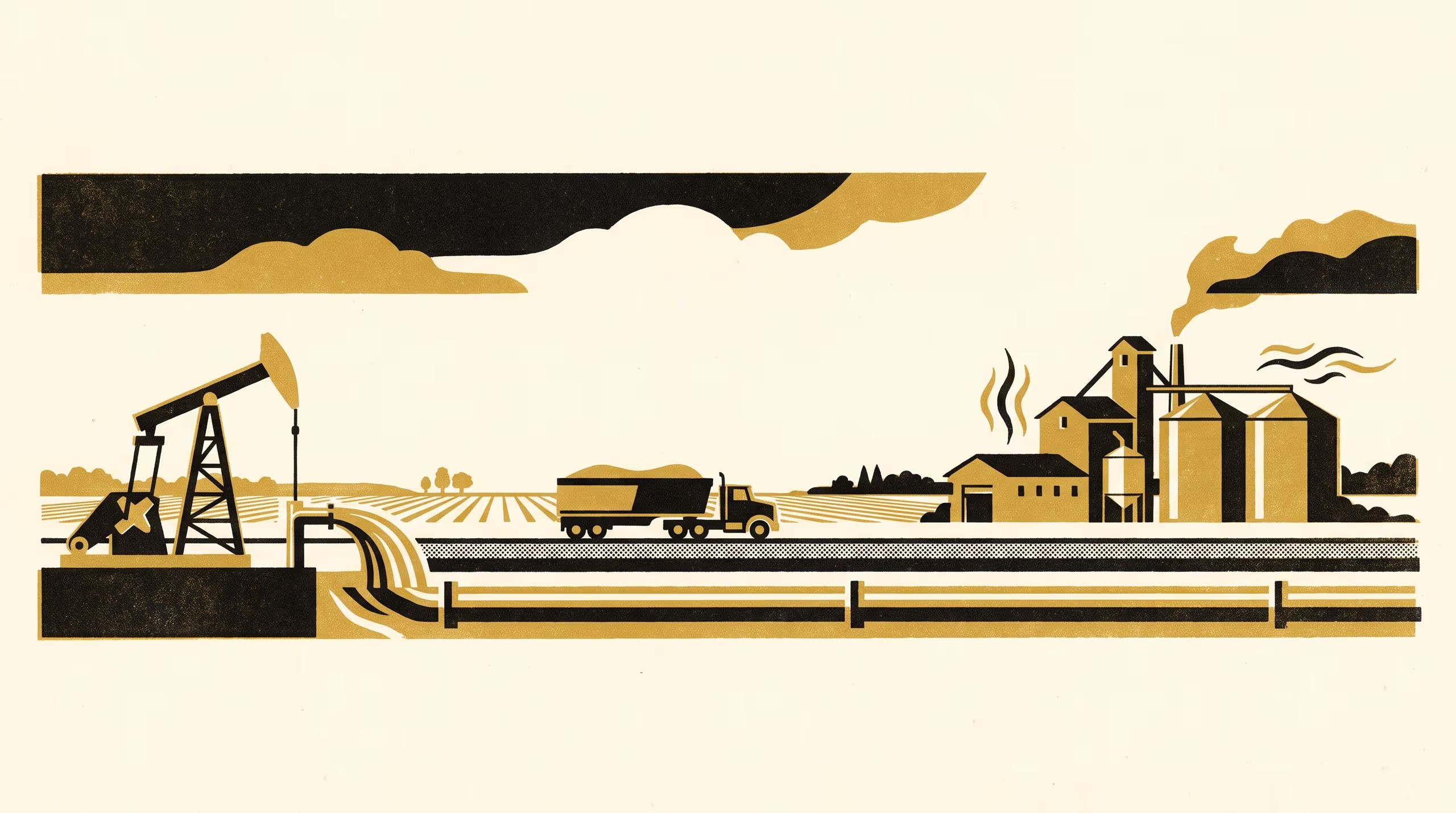
Slop University has published a case for support setting out its research into the energy a farm spends on water, heat and power, and inviting partners to help it run for further seasons.
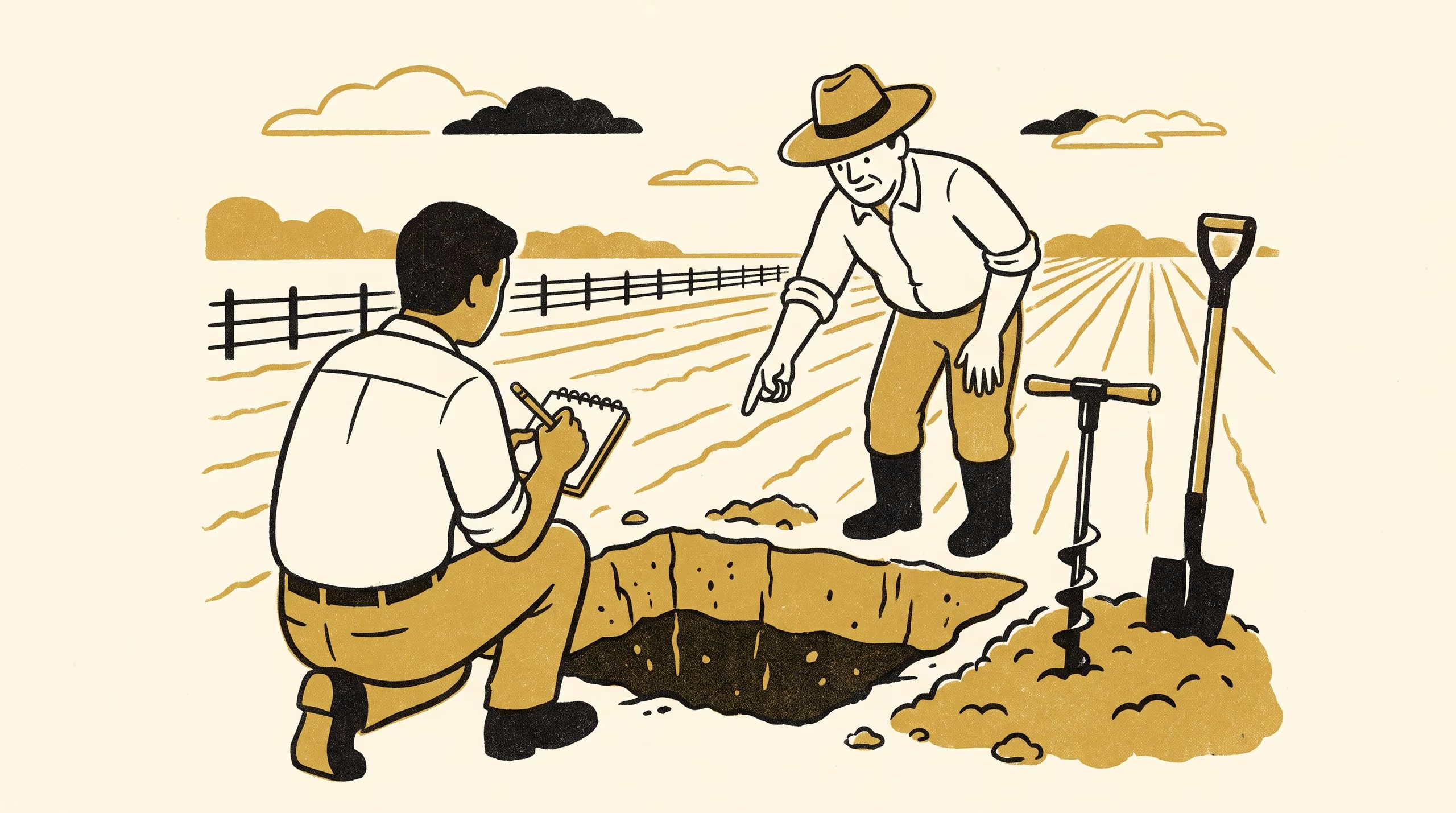
A research poster from the School of Underlying Conditions dates 143 soil words that landholders gave to visiting surveyors, and follows each to its last appearance on the page.
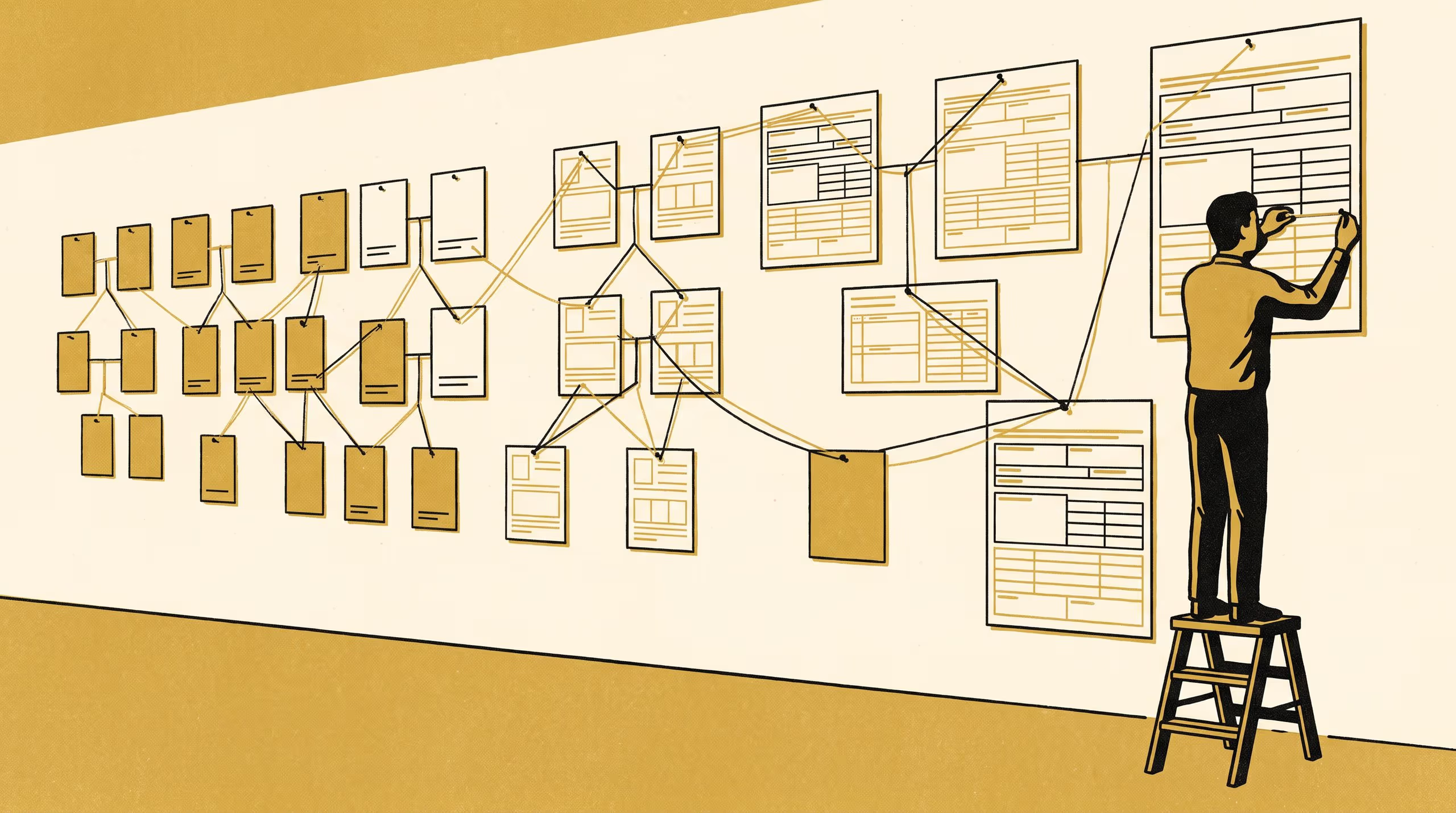
The School of Continuous Improvement's Impact Report 2021–2026 accounts for five years spent establishing which form each form was copied from.
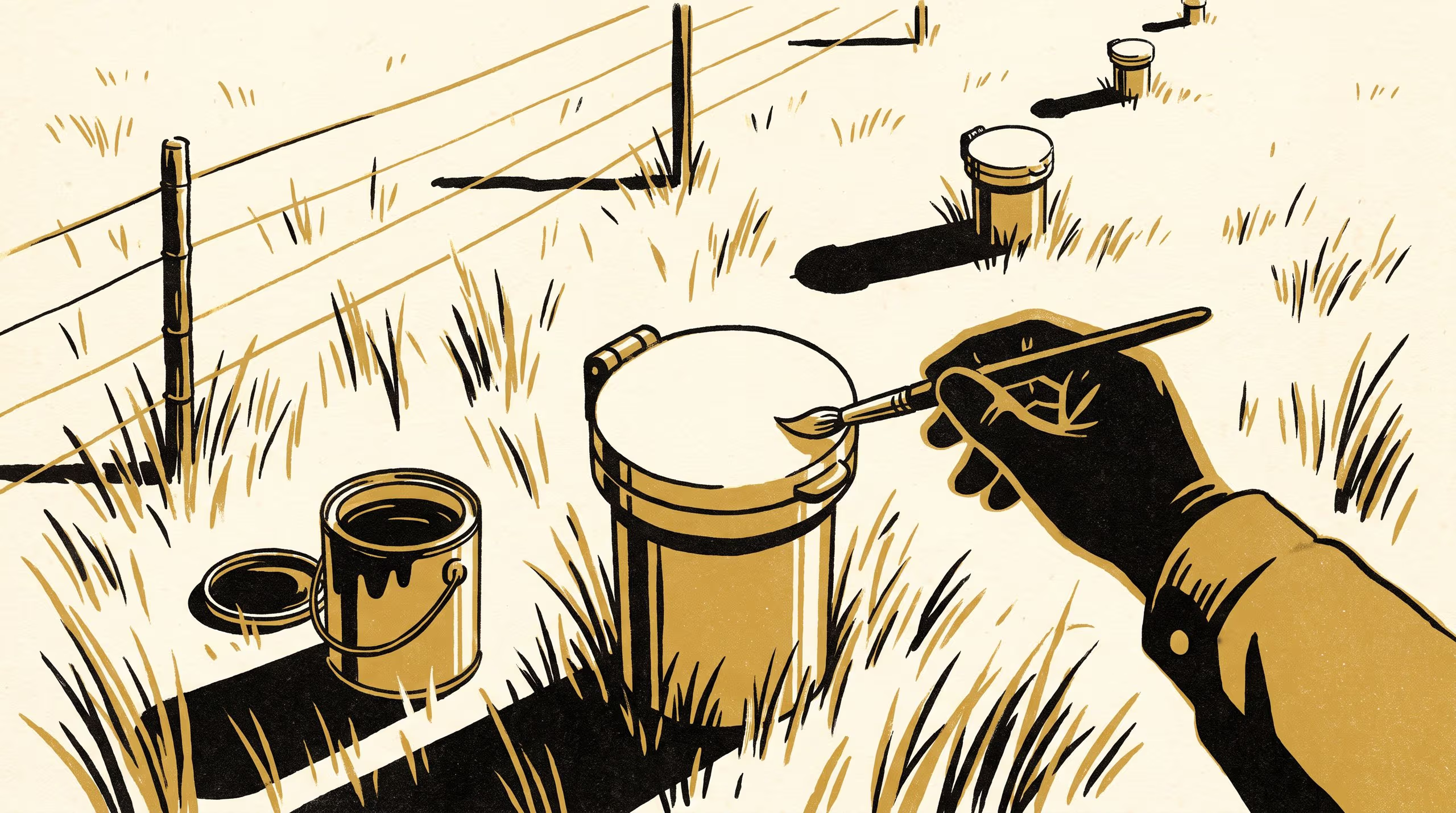
A paper from the School of Underlying Conditions treats the numbers painted on groundwater monitoring bores as designed lettering, handed from one field crew to the next by the caps themselves.
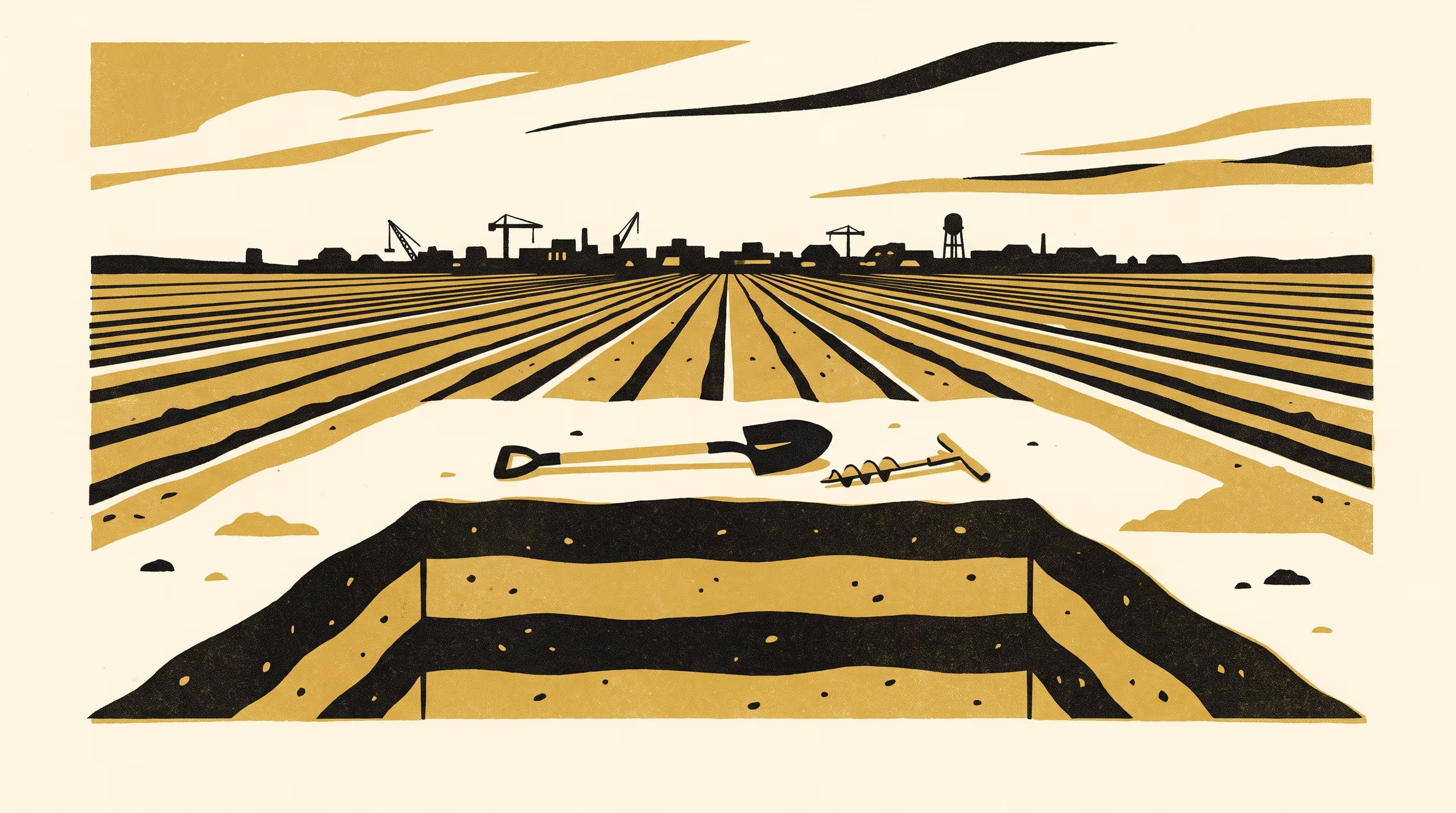
A new Slop University display advertisement from the School of Underlying Conditions invites students of development to start their reading of an economy below the surface.
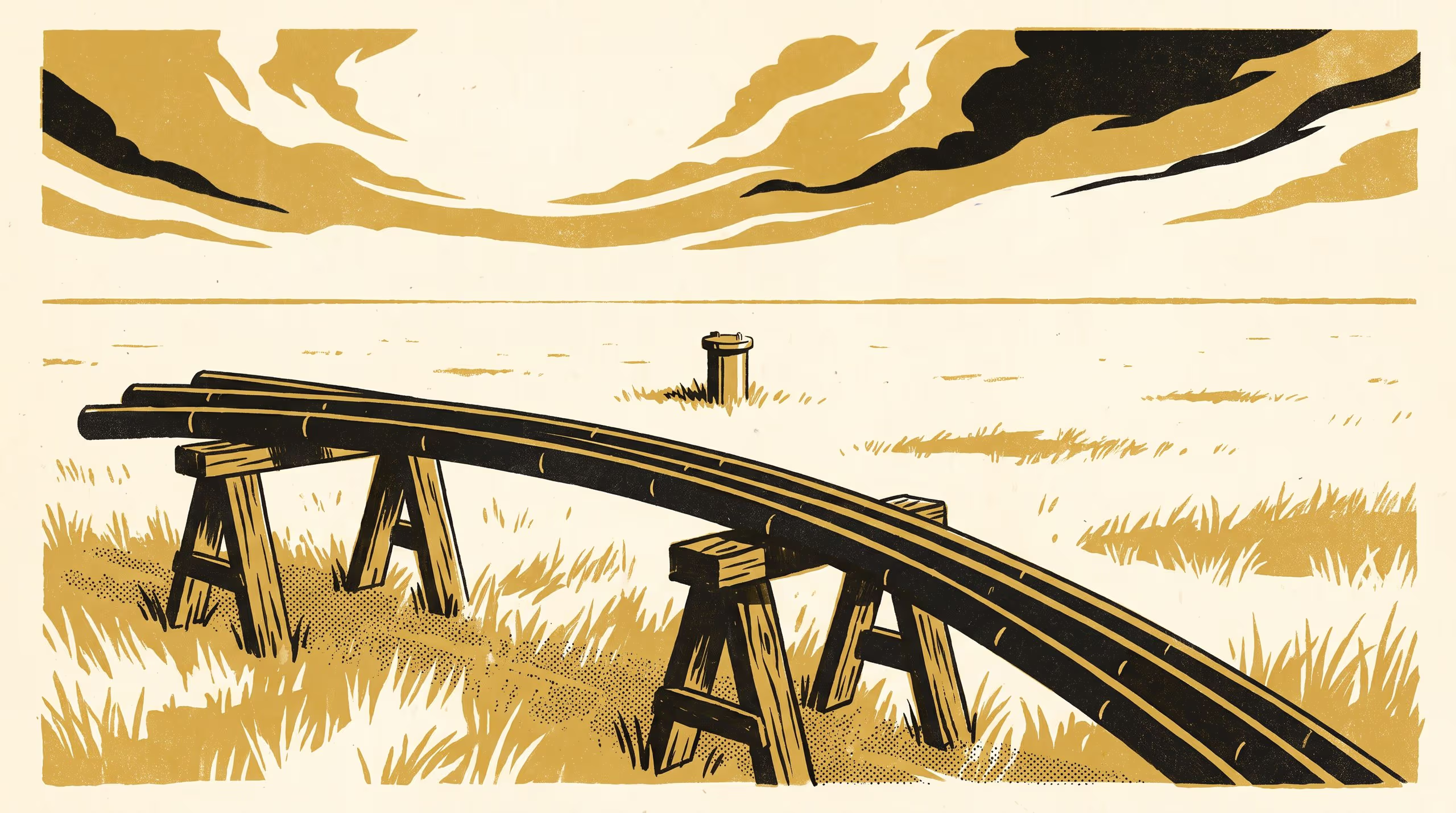
A paper from the School of Underlying Conditions treats thirty-one years below the water table as an annealing experiment that nobody set up.
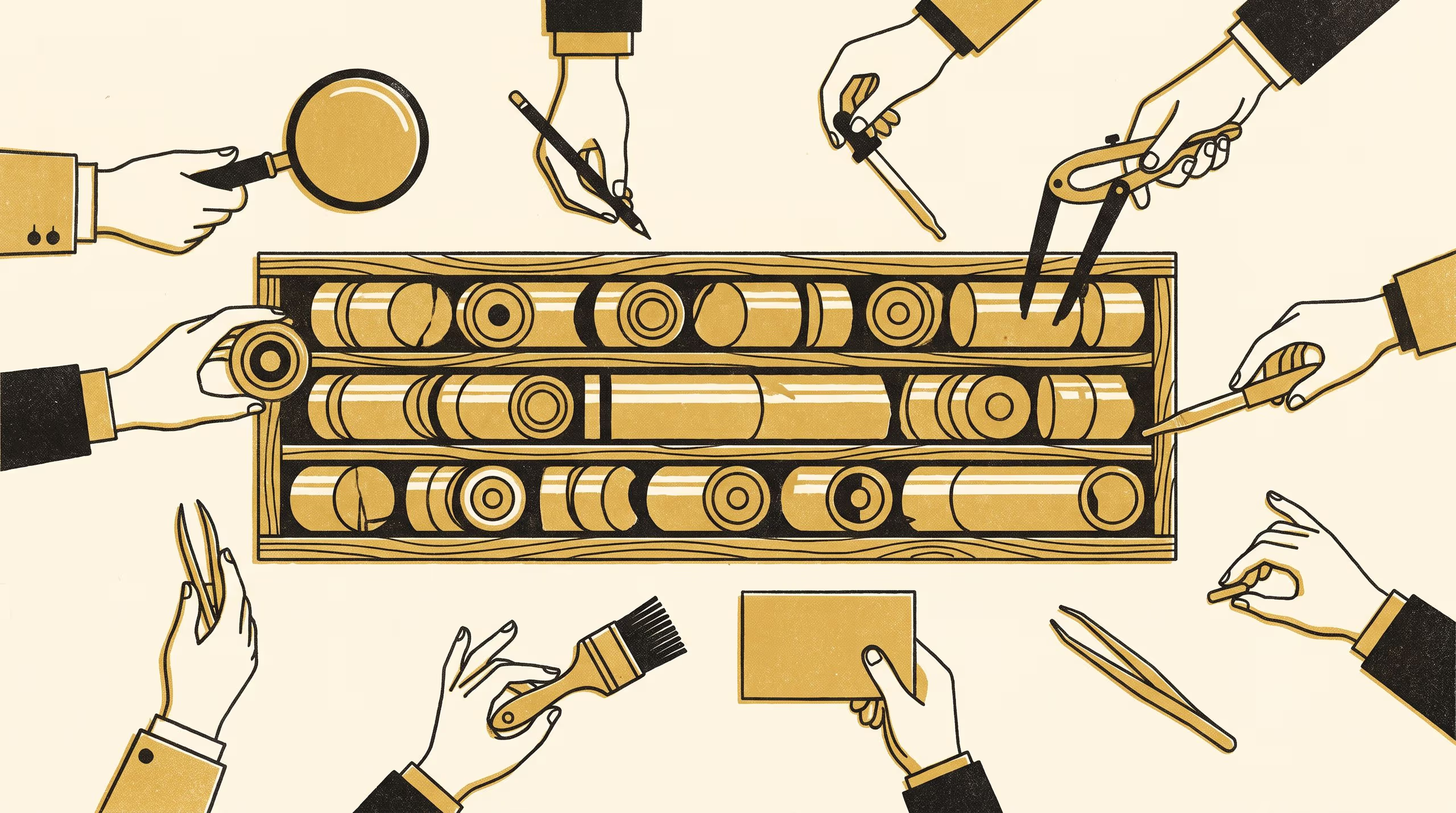
A new display advertisement from the School of Underlying Conditions presents its core shed as the room where the University's fields meet over the same rock.
A paper from the School of Underlying Conditions describes how a highland community sponsors abandoned drill collars through ritual co-parenthood, and what the arrangement does for the neighbours it binds.