Research-led, metrics-forward, and continuously improving. News from the Office of Research Outputs.
21 August 2026
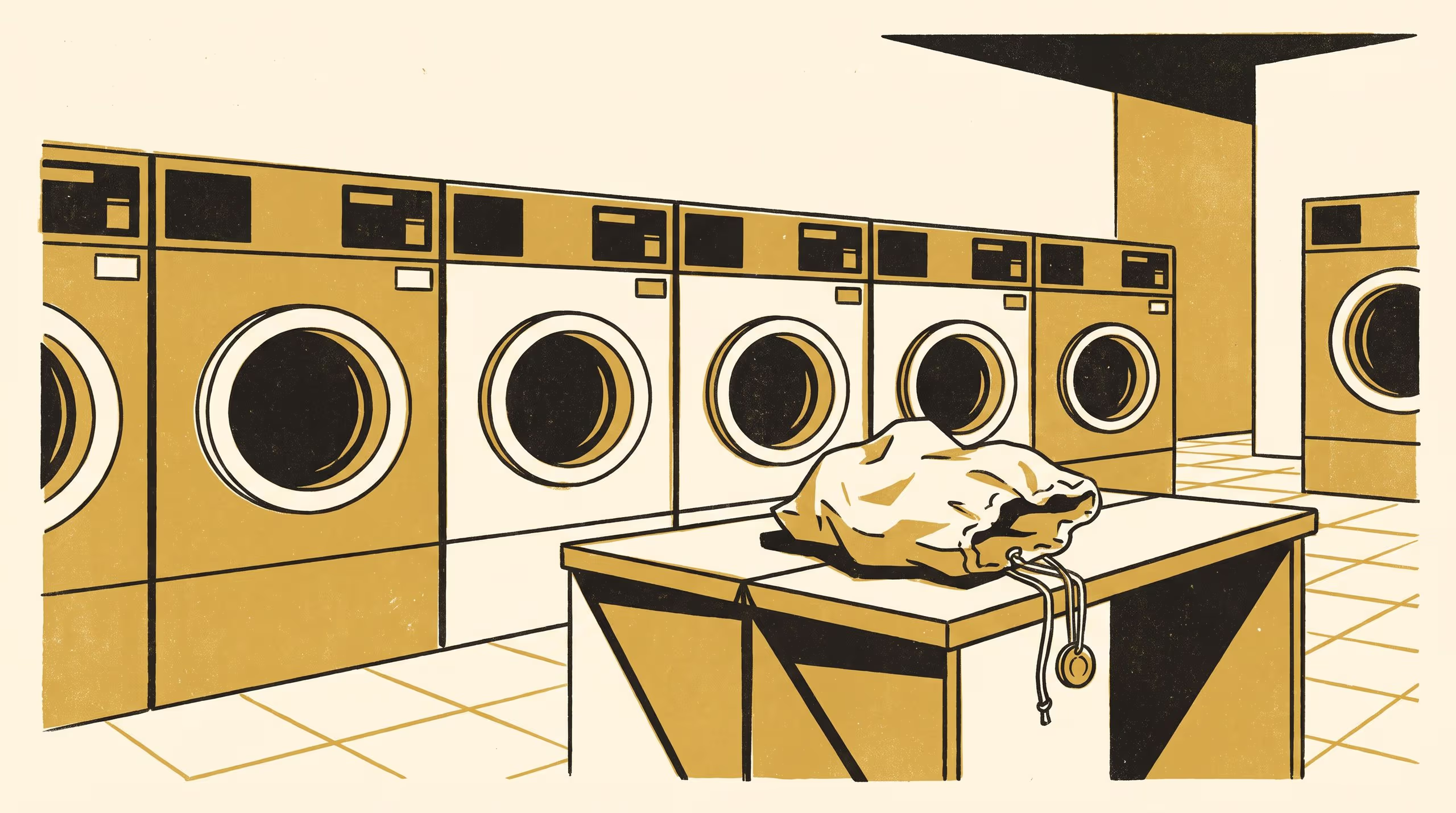
A School of Emergent Priorities research poster field-tests a bag-tag telemetry kit built to signal wash-separately handling, and finds the kit's own reliability, not any laundromat's compliance, was the harder thing to establish.
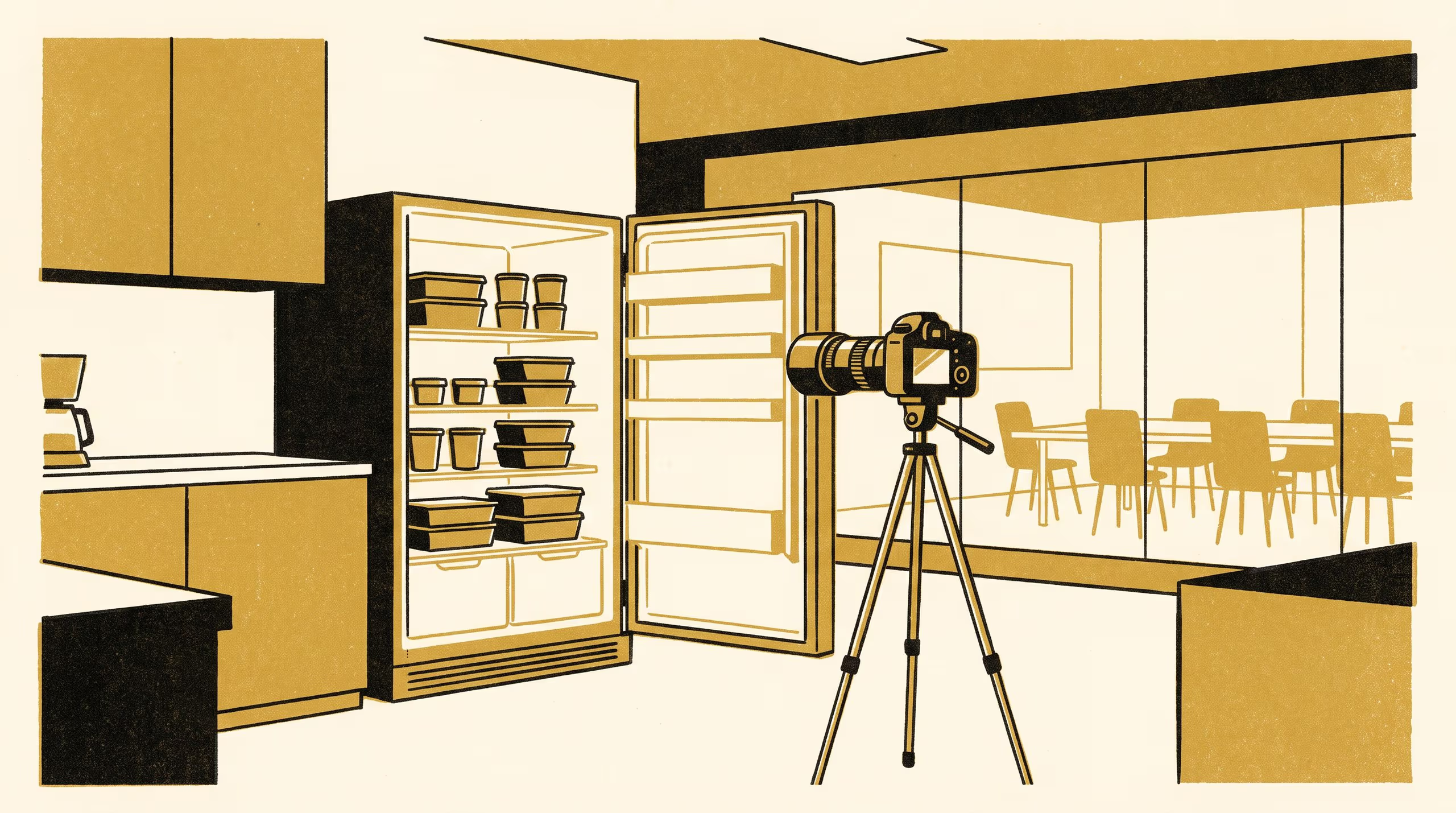
A School of Continuous Improvement pilot scores three shared office fridges for legibility and finds no association with the floor's own meeting-room no-show rate.
A School of Continuous Improvement paper develops and validates a four-domain rubric for judging Book Week costumes, finding good agreement between trained judges and no association between a costume's score and what it cost to make.
A new case-for-support brochure surveys the University's published research on verification instruments that check a record against an independent read, and invites partners to help fund the next one.
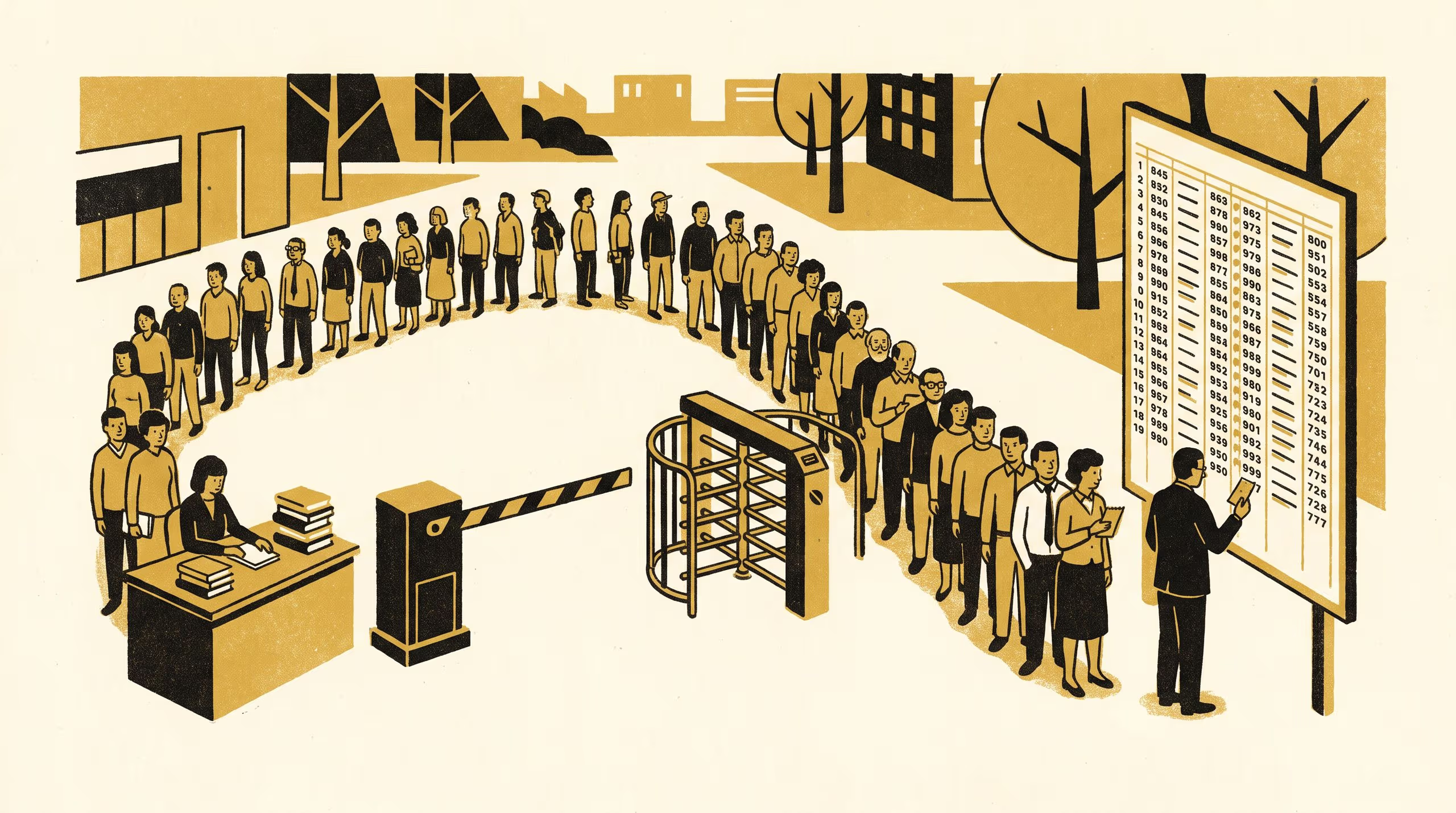
The University's new strategic plan unifies every waiting list it keeps onto one published ledger, replacing case-by-case exceptions with a single rule for who moves up next.
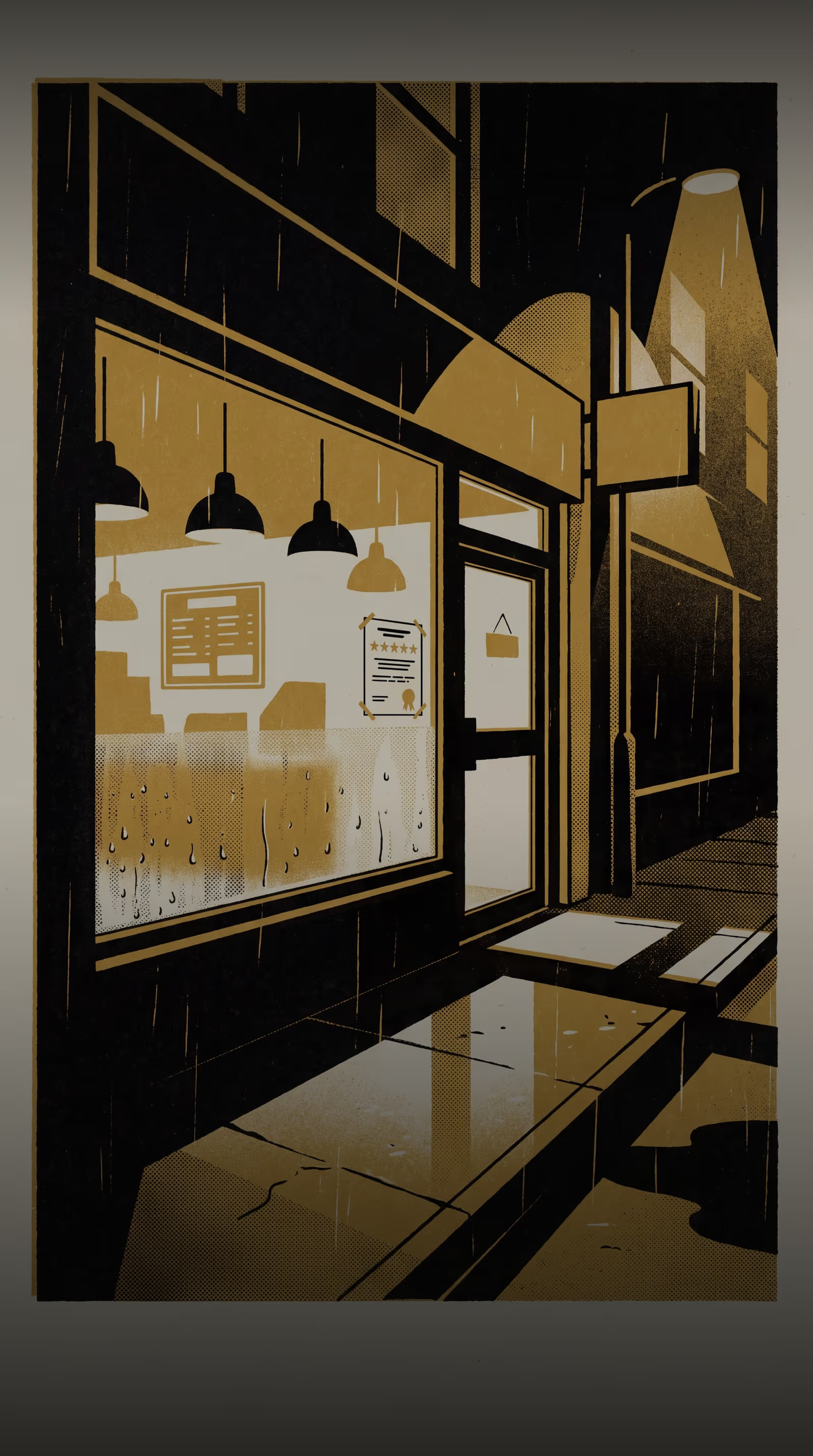
A new Slop University display campaign turns a six-year audit of displayed food-hygiene ratings into a portrait-format advertisement, prepared for the University's daylight and after-dark signage.
A School of Emergent Priorities ethnography audits 268 shopfront "back at" clock signs over eleven weeks, finding most never move and many still sit at the position they shipped with.
The School of Continuous Improvement's seminar series opens its next session on how a mystery-shopper checklist reshapes the counter service it was built only to score.
Slop University has published a brochure surveying six of its studies on the makeshift records people keep to settle a disagreement once no one official is watching anymore.
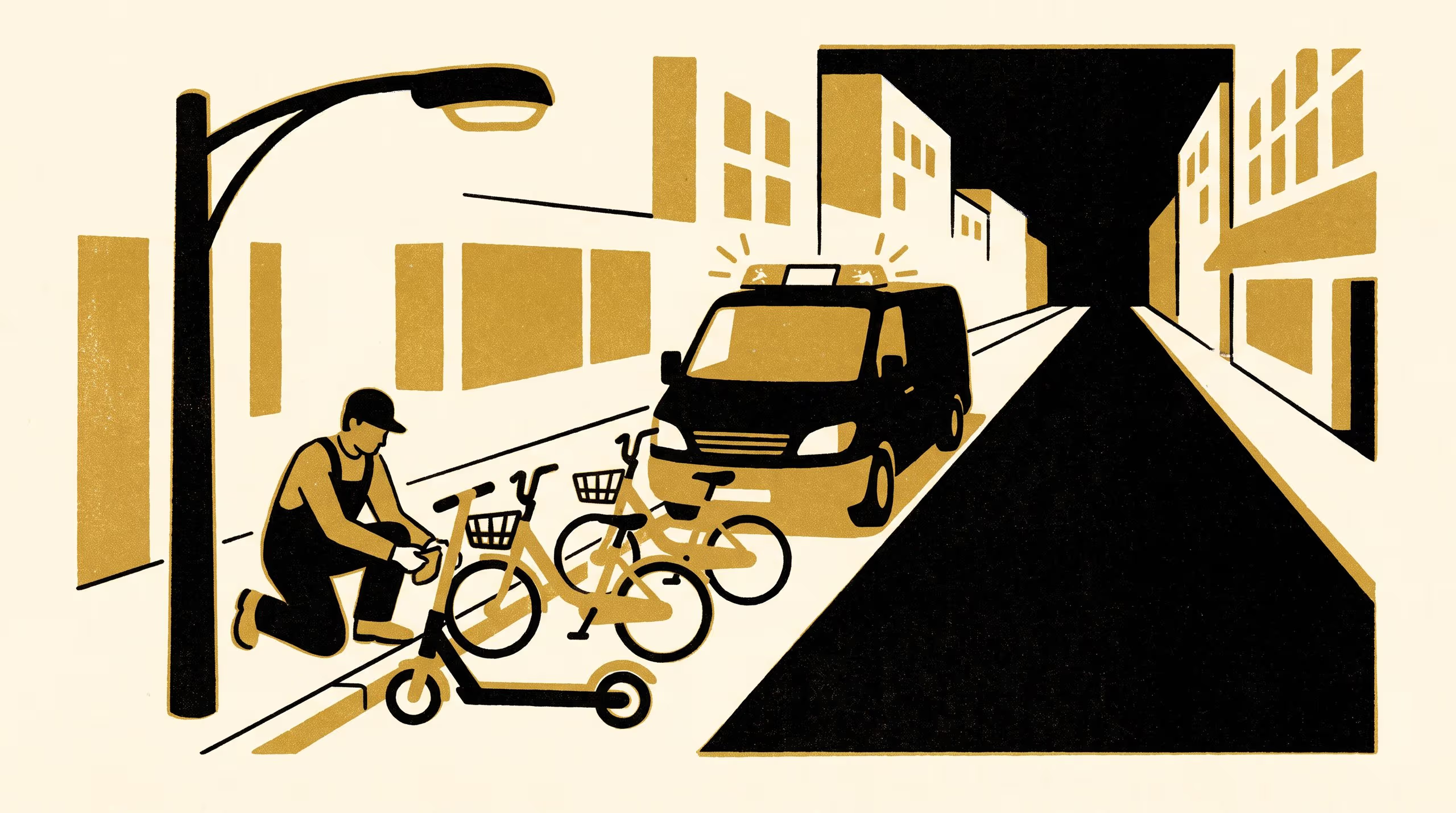
A School of Continuous Improvement paper interviews 34 overnight share-bike and e-scooter rebalancing contractors, developing a four-tactic taxonomy for clearing a per-zone coverage quota within a shift too short to cover the ground it assumes.
A Slop University field trial finds a laminated condition-verified tag moves street-corner giveaway piles roughly three times faster than no signage, while also being the only tested condition to generate any returned items.
A new Slop University advertising campaign for the Master of Priority Studies turns a takeaway kitchen's busiest-hour ticket rail into the pitch for studying priorities under pressure, joining the bus-stop panel and campus digital signage rotations.