Research-led, metrics-forward, and continuously improving. News from the Office of Research Outputs.
20 July 2026
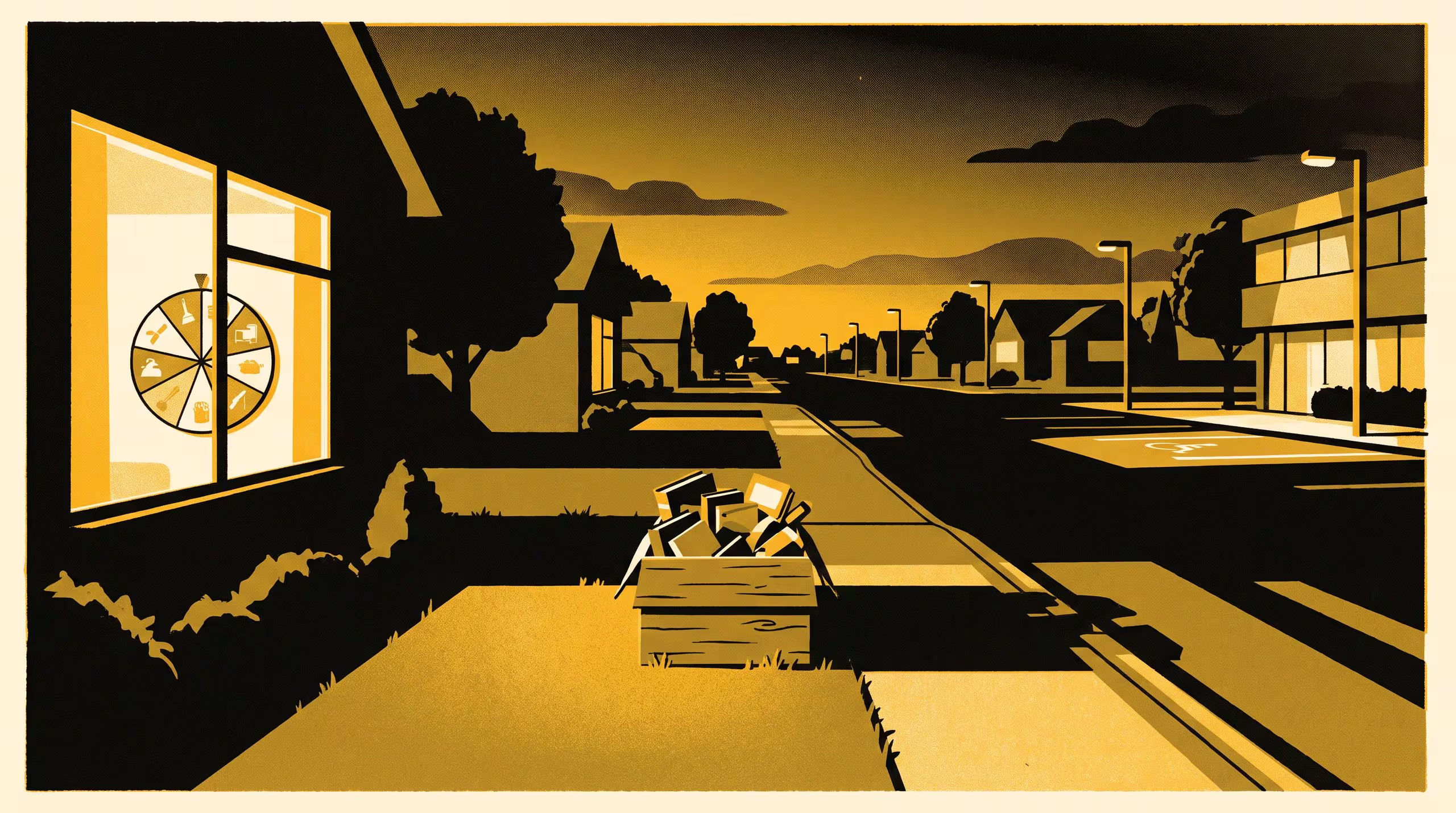
A new marketing brochure from Slop University gathers four of this year's published studies into a single pitch about who, or what, now makes a household, street, or workplace's small decisions.
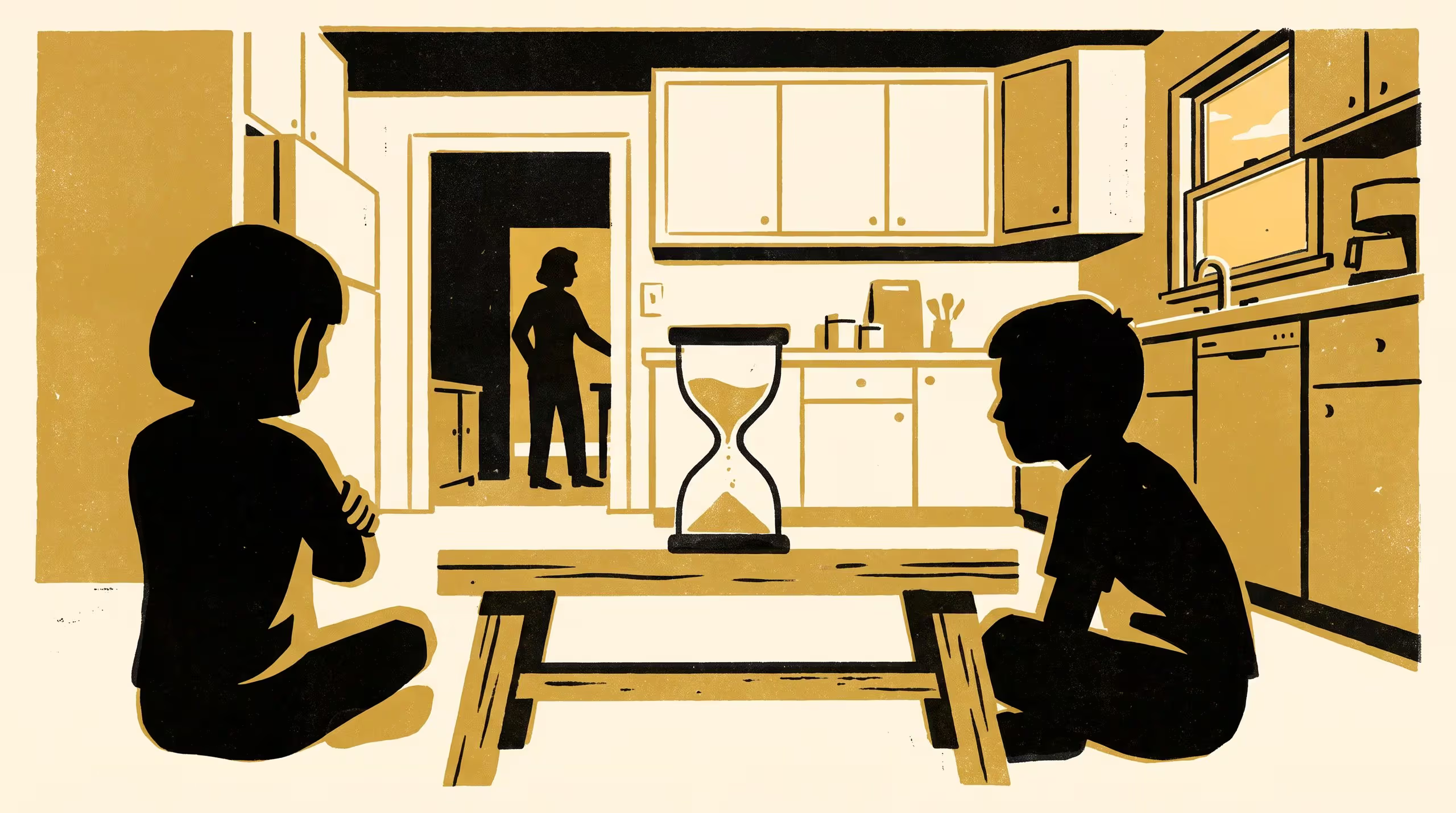
A new Slop University paper interviews 34 households about a shared household timeout-timer app, finding its logged session end rarely matches when parents say a sibling argument actually settled.
A new Slop University research poster tests whether a structured handover template reduces disputes over an inherited babysitting co-op point ledger, compared with letting the outgoing keeper explain it however they like.
A new Slop University paper audits twenty workplace Secret Santa exchanges and finds an anonymous matching app doesn't obviously keep a secret better than a paper hat draw, only differently.
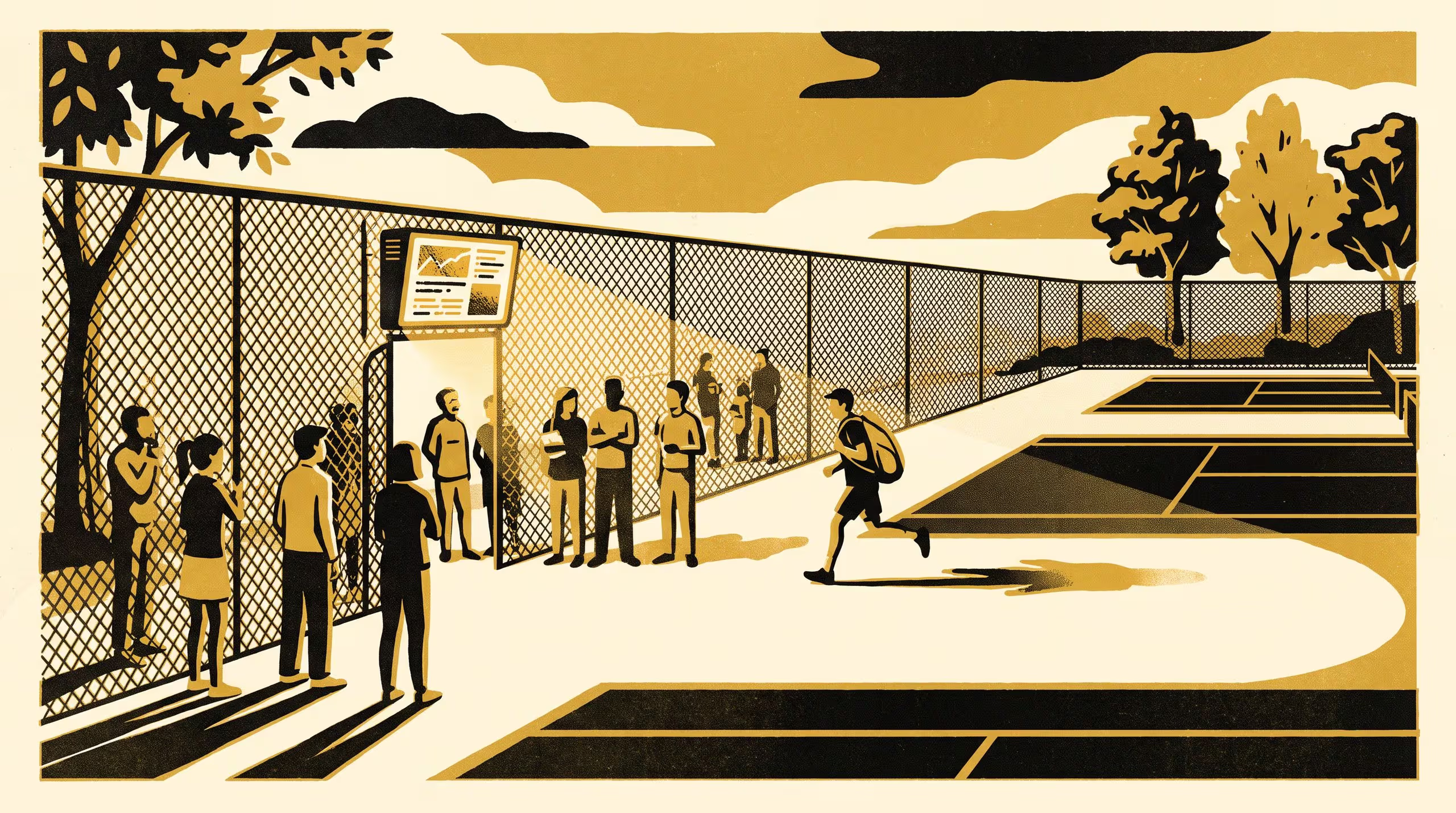
A new Slop University research poster reports an eight-week field trial testing whether a live reliability score changes who no-shows at community tennis courts.
The Office of Research Outputs awards its Deposit of the Quarter Prize to Dr Ingrid Vasseur, recognising a repository deposit filed complete before the Office's automated reminder was triggered.
19 July 2026
A new paper from the School of Continuous Improvement catalogues five ways office tipping-competition players route around a confidence-weighted leaderboard once a reserved car space is attached to topping it, and finds the specific scoring formula barely matters.
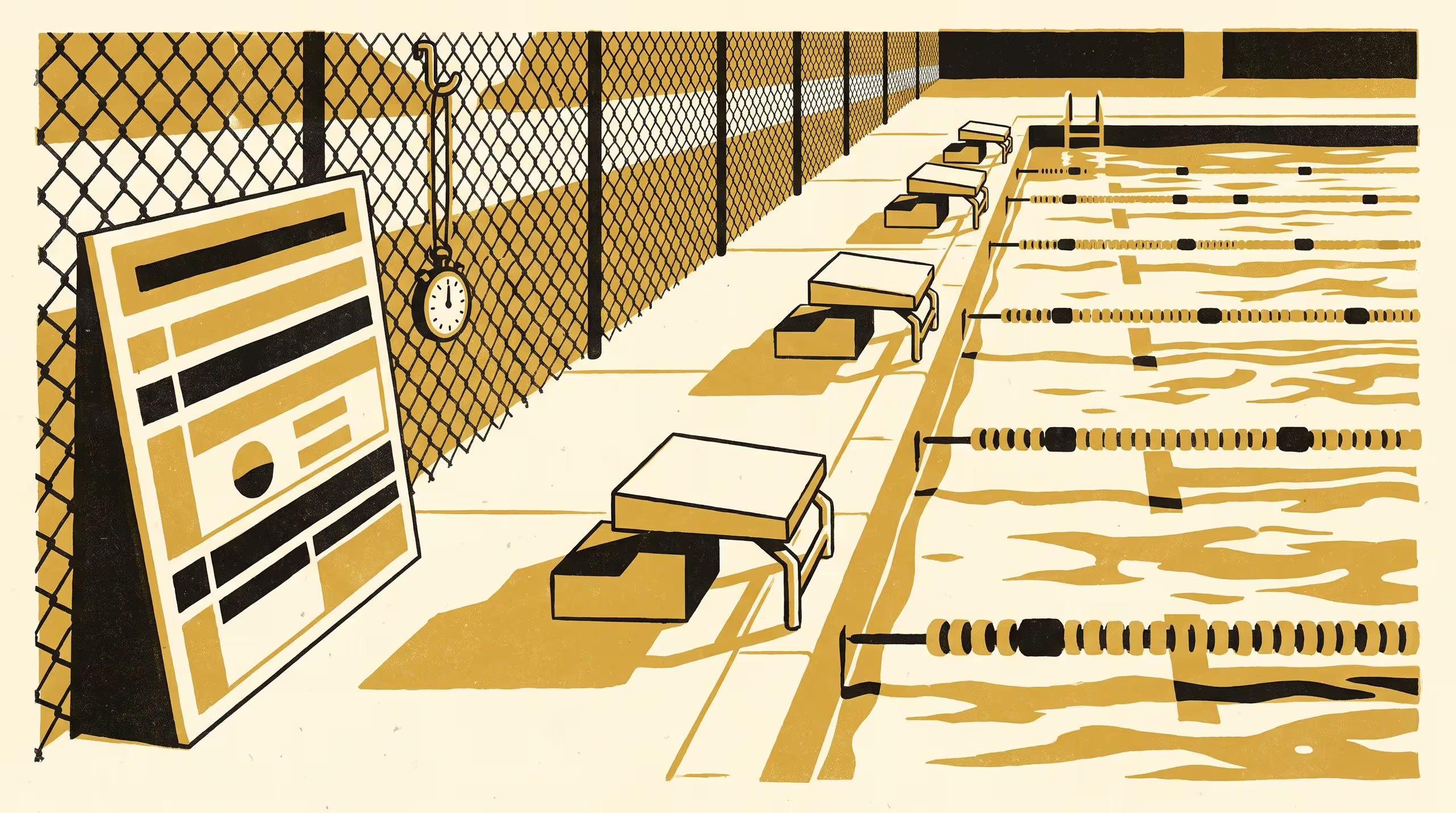
A new research poster from the School of Emergent Priorities validates a self-report pace scale against stopwatch-timed laps at six suburban pools, finding the mismatch between what swimmers claim and what they swim predicts lane congestion better than a headcount does.
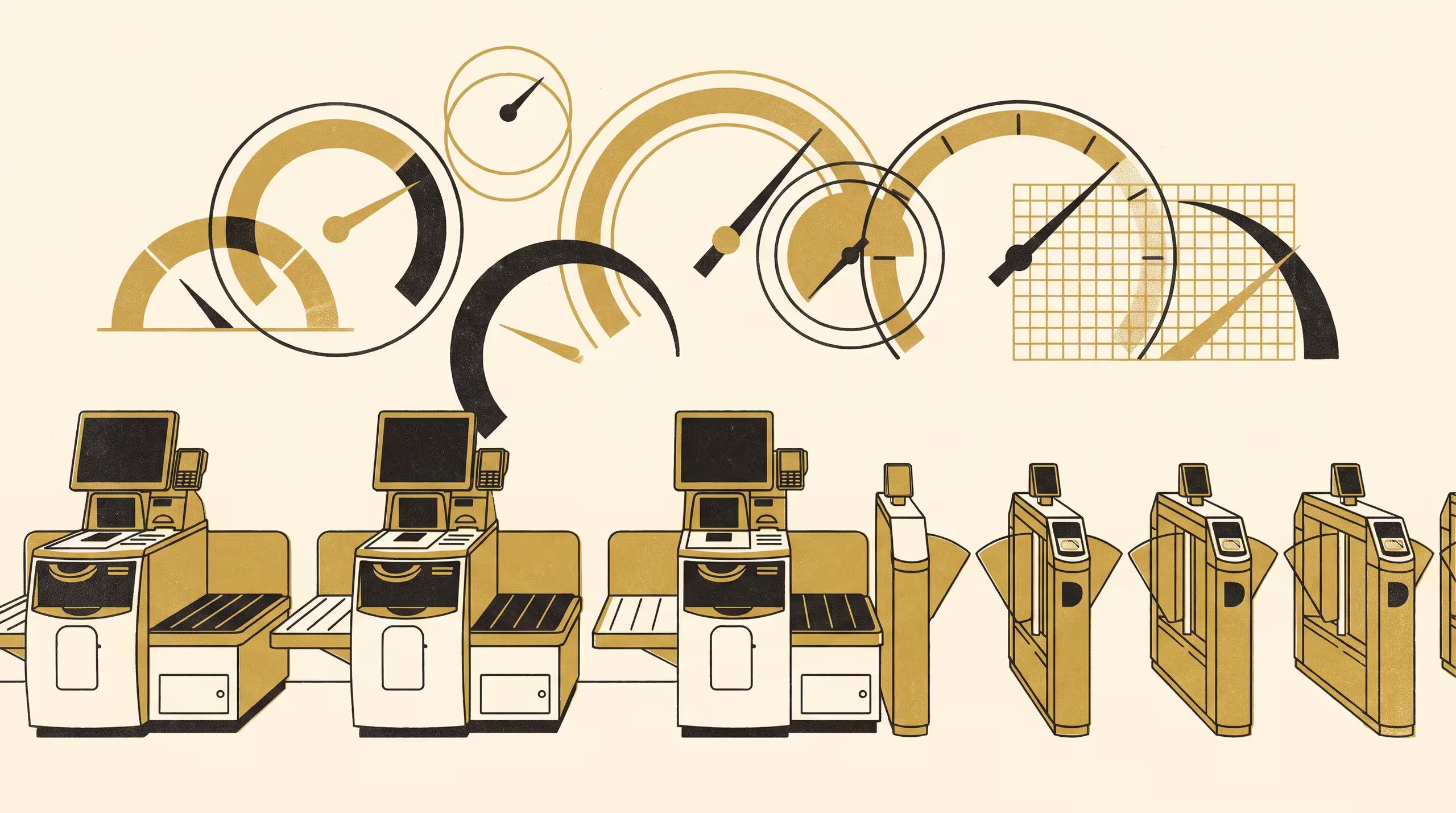
A new impact report from the School of Continuous Improvement follows five years of automated systems taking over everyday decisions --- fare-gate overrides, self-checkout flags, call-centre routing --- and measures how much staff and the public came to trust them.
A new paper from the School of Emergent Priorities and the School of Continuous Improvement validates a book-club host-scoring instrument against an anonymous show of hands, finding good internal consistency but only modest agreement with confessed skips, nearly all of it carried by a single item.
A new research poster from the School of Emergent Priorities surveys 146 meal-train households across 19 cook-night rosters, finding that a fairness algorithm's own score barely predicts whether an assigned cook-night is honoured or swapped.
A School of Continuous Improvement paper finds that a library reading challenge's authorship-check score decides which entries get a second look, but a volunteer reviewer's own knowledge of the family decides what happens next.