Research-led, metrics-forward, and continuously improving. News from the Office of Research Outputs.
15 September 2026
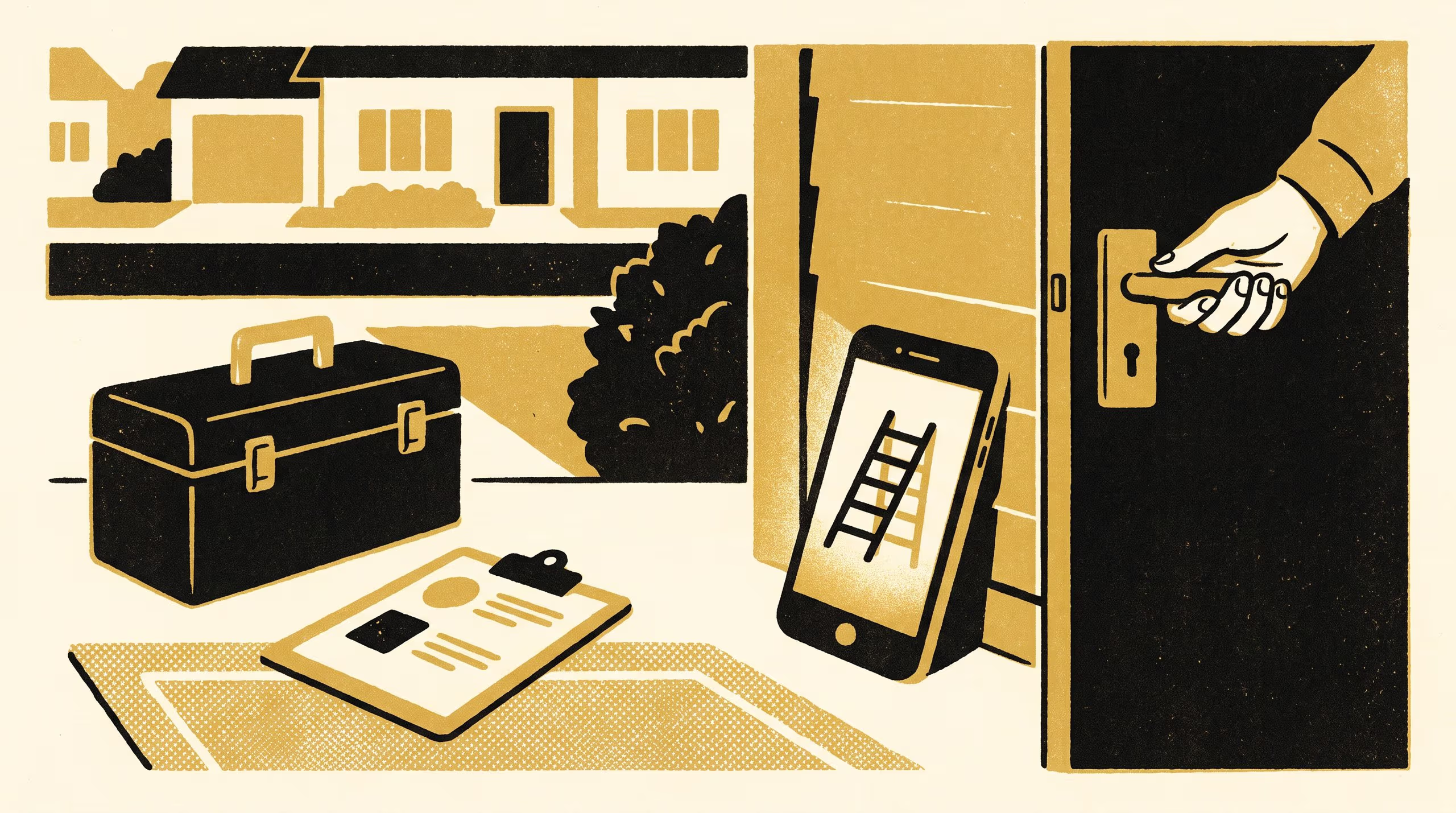
A new Slop University paper audits a share-housing review app's five-level landlord-responsiveness index against independently confirmed repairs, and finds a low-cost acknowledgment tool moves the score far faster than the work it is meant to track.
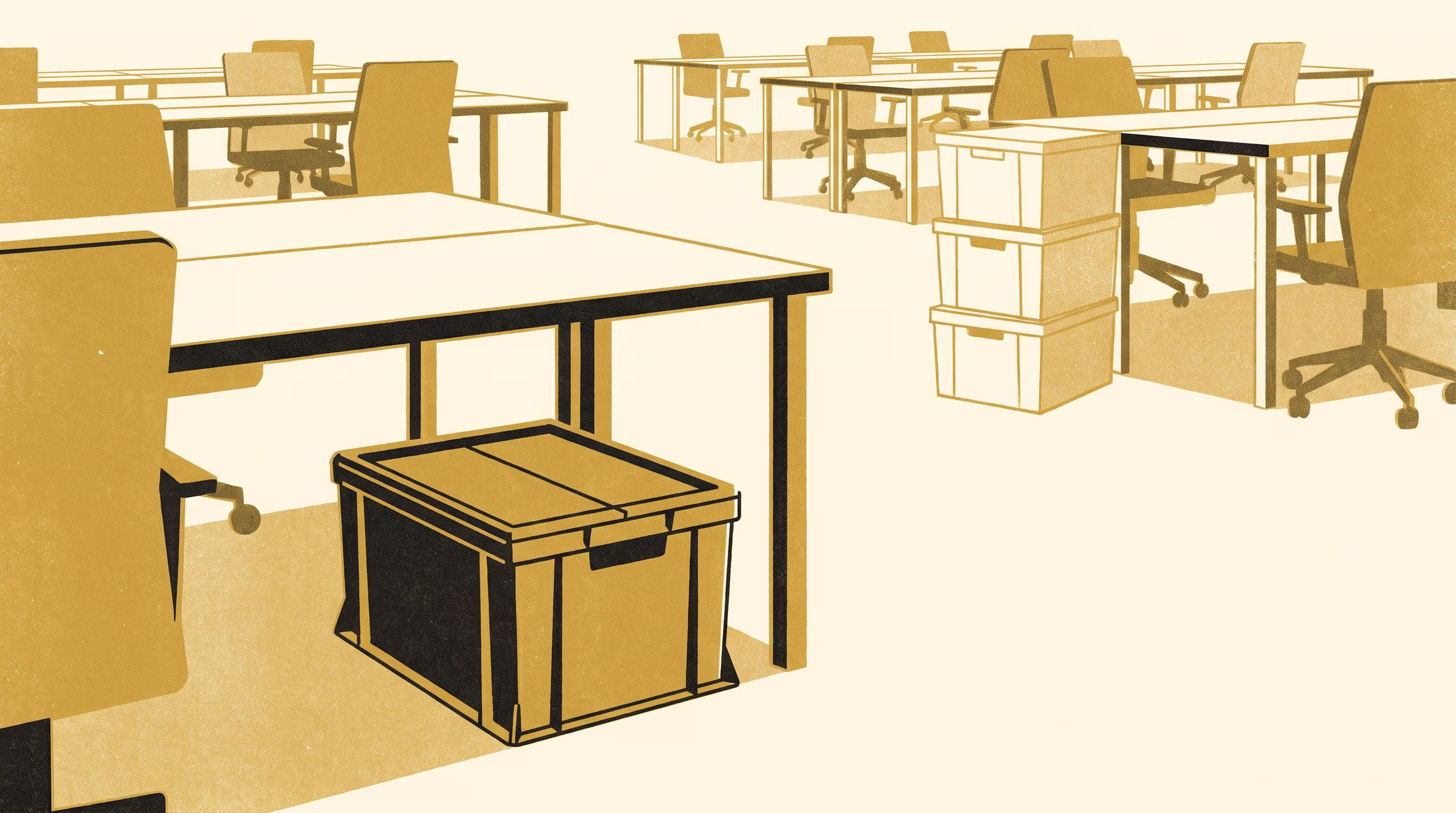
Hedvig Anyanwu has submitted her doctoral thesis to the School of Emergent Priorities, arguing that a fixed crate allocation, not an organisation's stated plan, is where a workplace restack actually forms its priorities.
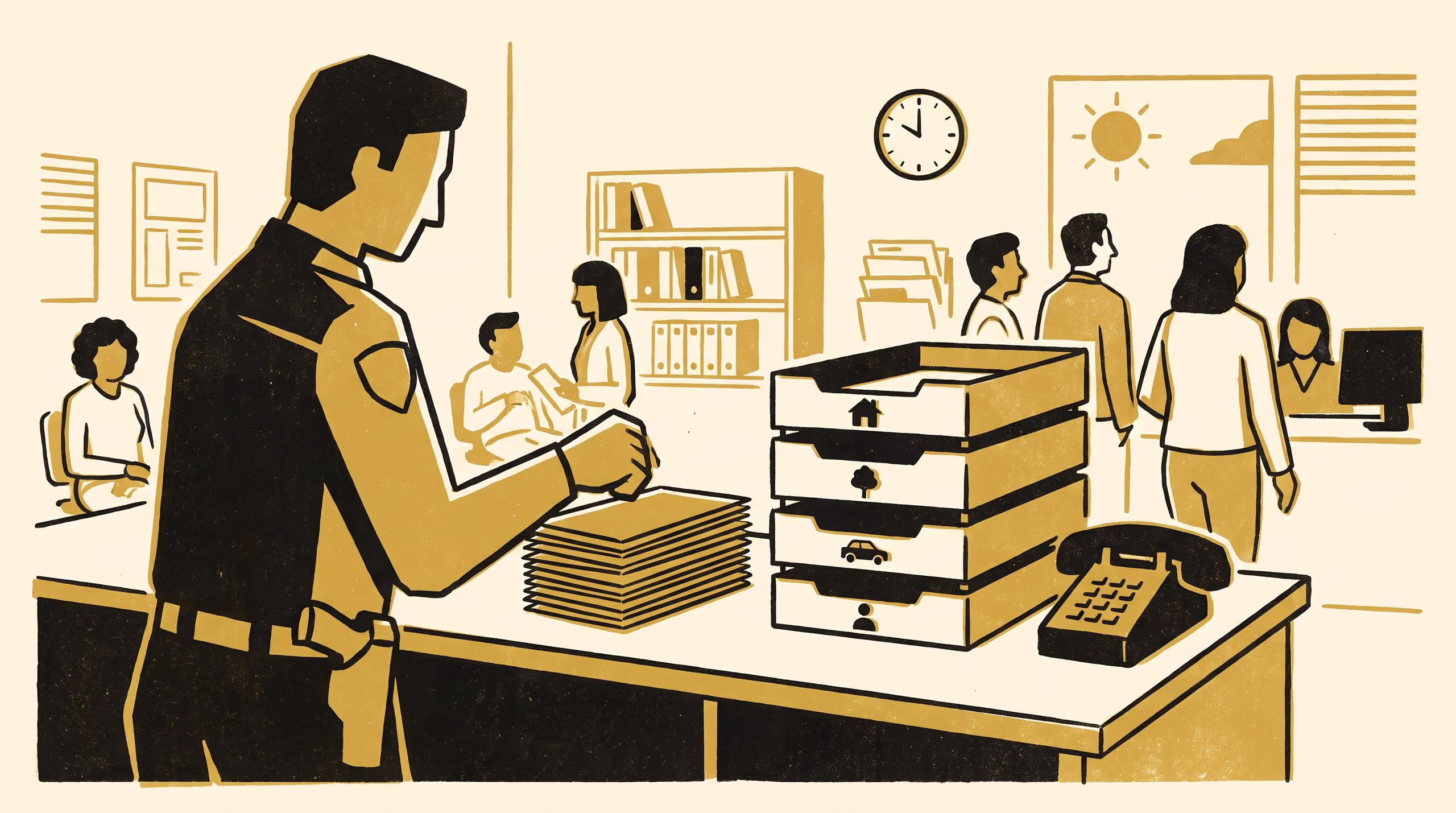
A five-year impact report from the School of Continuous Improvement traces a caller-classification method from one shire's phone queue into six government departments' live decision-making.
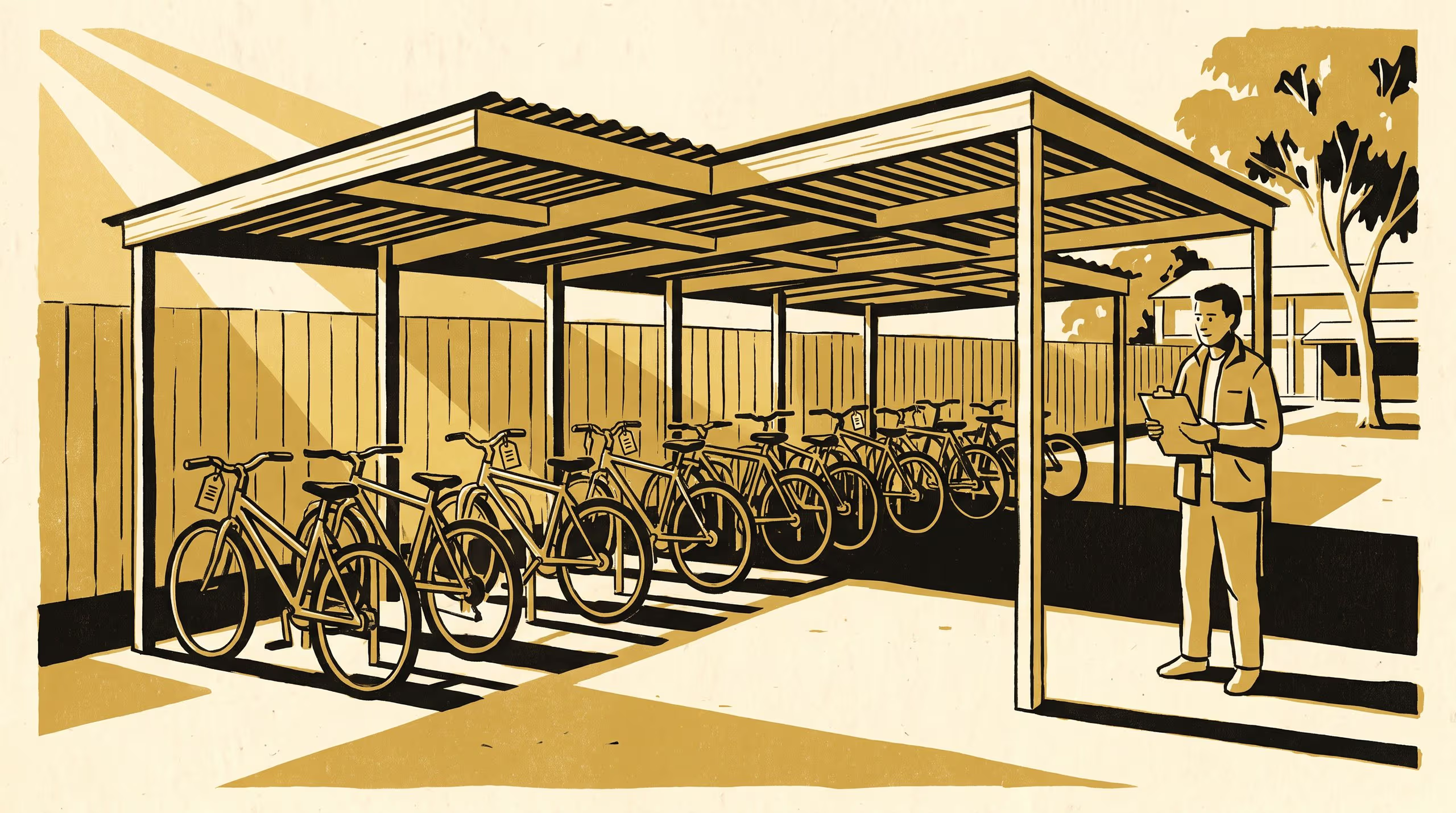
A new Slop University research poster tracks how a volunteer coordinator's hand-drawn bay-claim tags at one primary school's bike shed harden into fixed family assignments within a single nine-week term.
A new Slop University paper replicates a kitchen funding-metric finding on a water authority's coiled-hose rebate scheme, and finds the compliance score had almost no room left to rise.
A new Slop University brochure showcases the Horizon Register's five-kind trophy-provenance taxonomy, now a binding lodgement condition for a club's continued facilities-partnership standing.
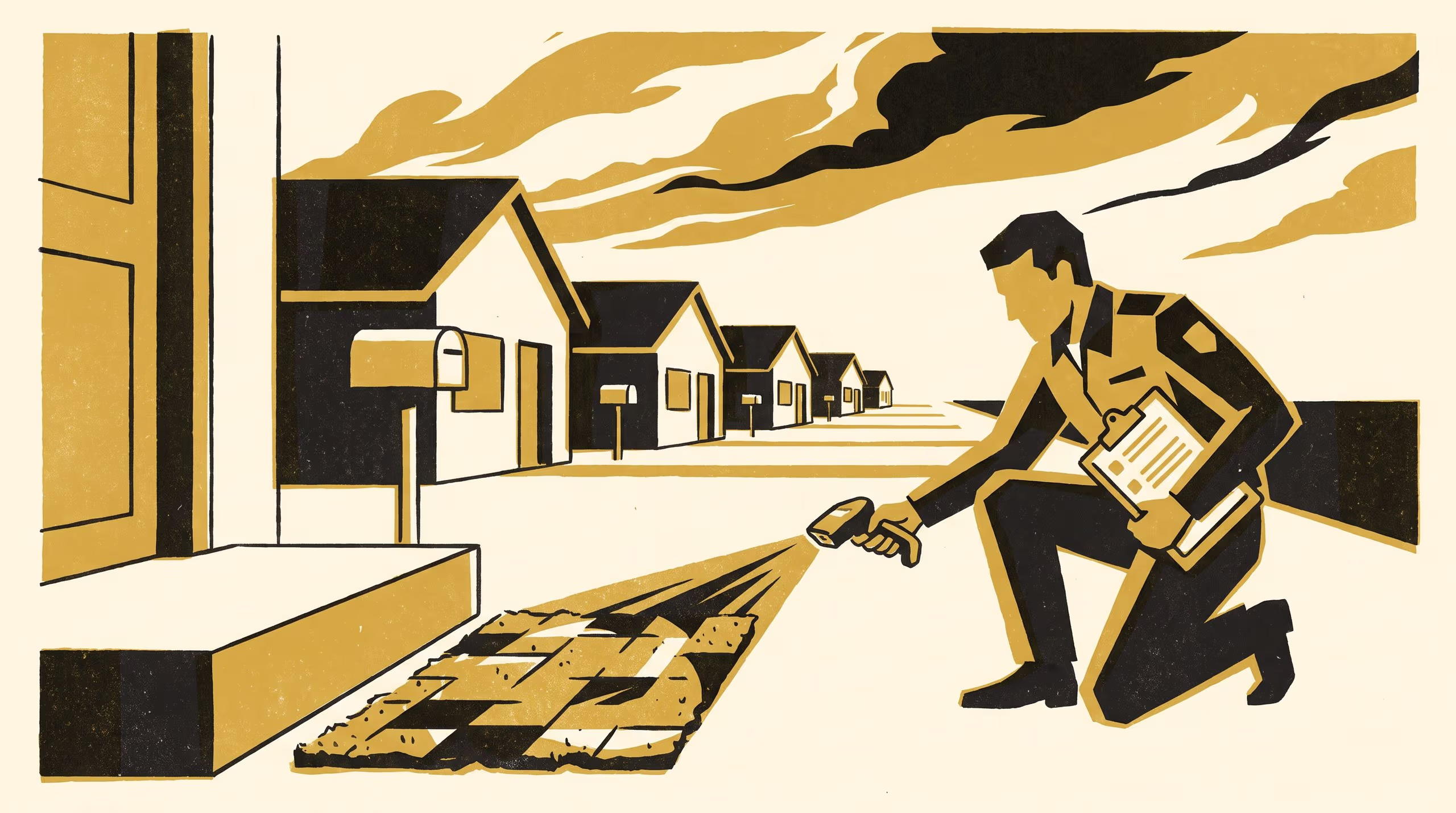
A new instrument scoring front-doormat wear across households now triggers a mandatory council doorstep-safety audit for the highest-scoring streets.
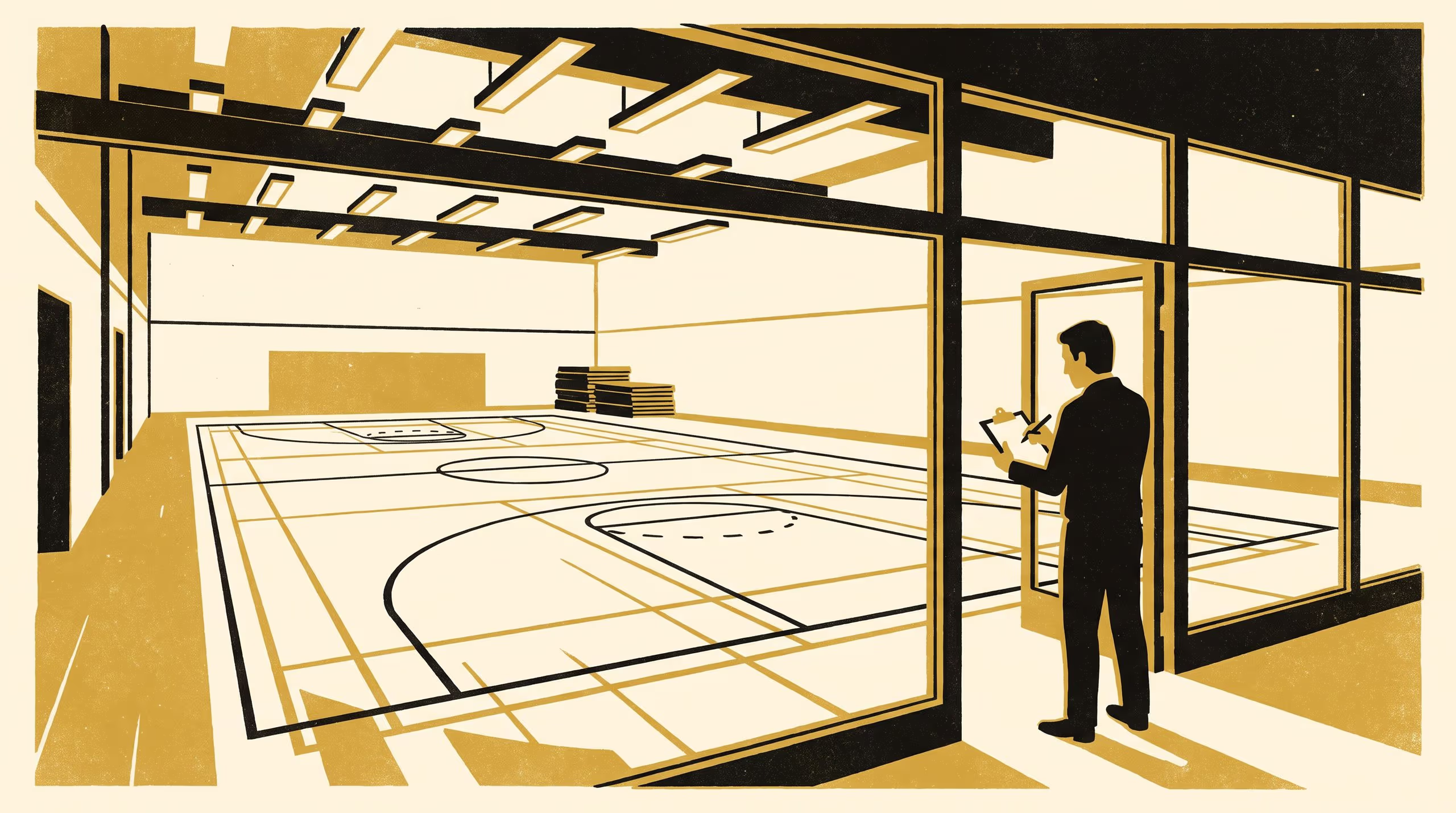
A new Slop University paper audits twenty-two leisure centres against a five-stage Cancellation Recovery Maturity Index and finds assigned stage tracks an internal waitlist far more reliably than what members actually see on the public booking screen.
A new Slop University poster reports on a photo-scored compliance engine that now auto-decides nature-strip verge-garden permits for six shires, after the manual-override channel closed for good.
A new Slop University paper interviews 52 seniors travel-concession cardholders about how they named their linked pass's companion, and reports the scheme's rule that the entry, once fixed, can only be revisited through a medical review panel.
A new Slop University paper audits 118 host-family linen cupboards against a five-level maturity model and finds the score no more predictive of a blinded item-retrieval trial than chance, while a regional homestay consortium ties new host registrations to the same score.
A new Slop University brochure showcases a replication attempt that sends the car-park Priority Score into a shift-swap queue, where a loss-prevention camera already watching the review room changes what the instrument finds.