Research-led, metrics-forward, and continuously improving. News from the Office of Research Outputs.
12 October 2026
A paper from the School of Underlying Conditions and the School of Continuous Improvement asks a second-year accounting cohort where a repair ends and an asset begins, twice, under two wordings.
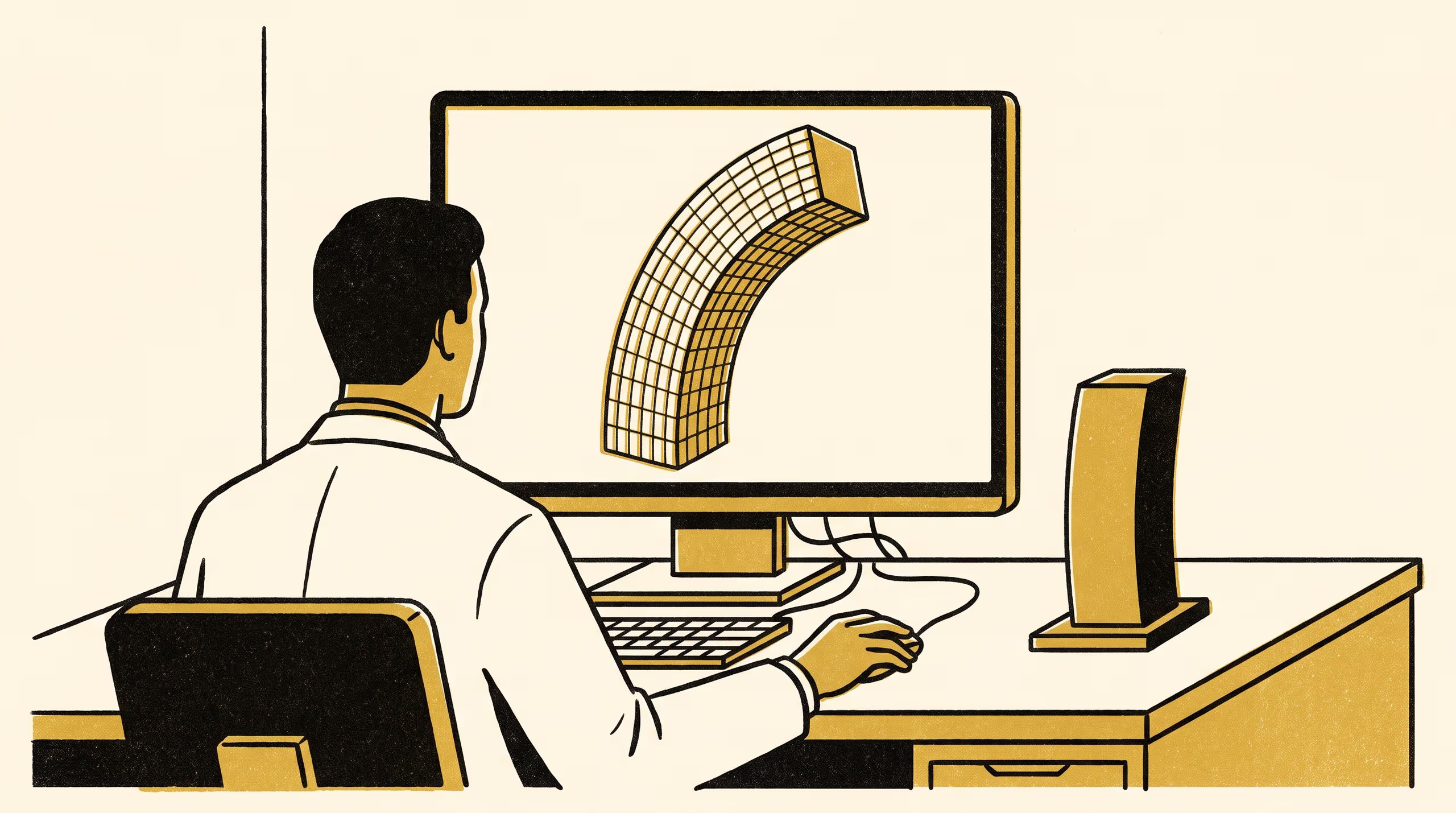
A paper led by the School of Emergent Priorities observes structural engineers reviewing earthquake analyses of tall buildings and records how they set the factor by which the displayed movement is exaggerated.
A new Slop University research showcase gathers seven published studies around what recovers after a financial crisis and what merely refills.
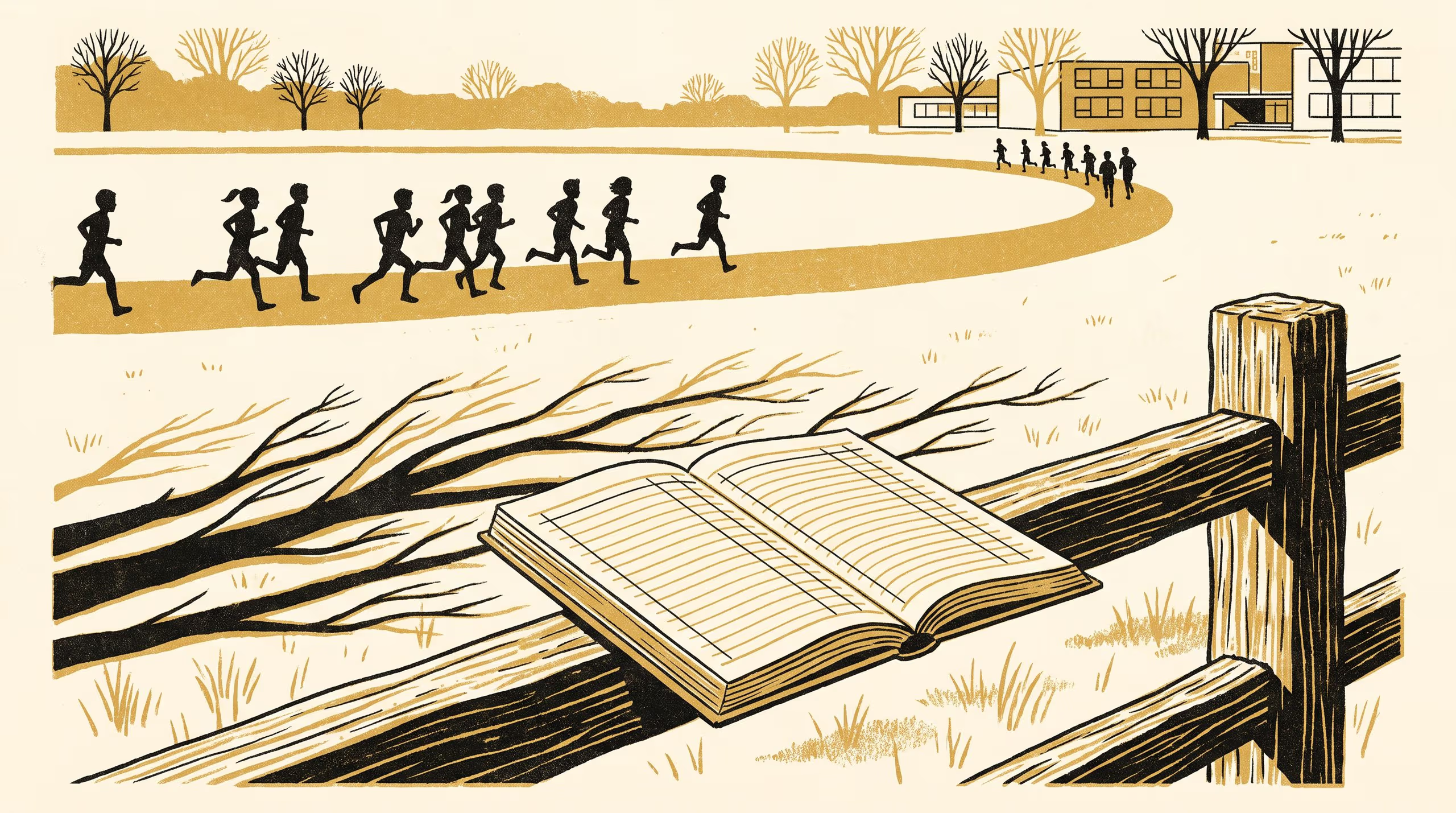
A paper from the School of Underlying Conditions reads a school cross-country squad's session book as a small treasury of merit, and finds the squad also supplied the objection.
A research poster from the School of Underlying Conditions sets the spoken counts of eleven handwriting teachers' manuals as rhythmic notation and reports where the counting stops.
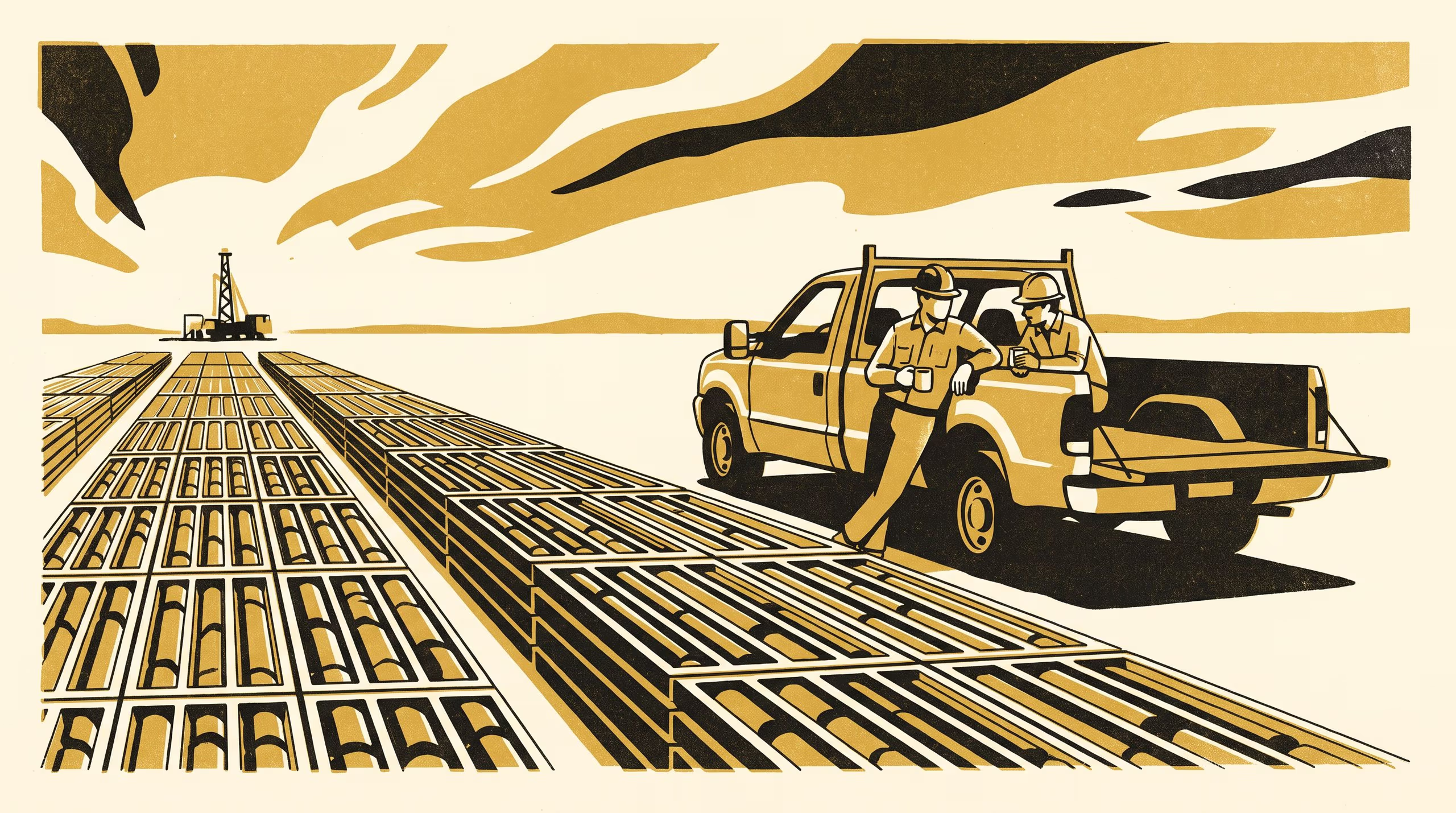
A research poster from the School of Underlying Conditions follows a drilling contractor's crews after a change of shift pattern removed their handover, and records which parts of it they kept.
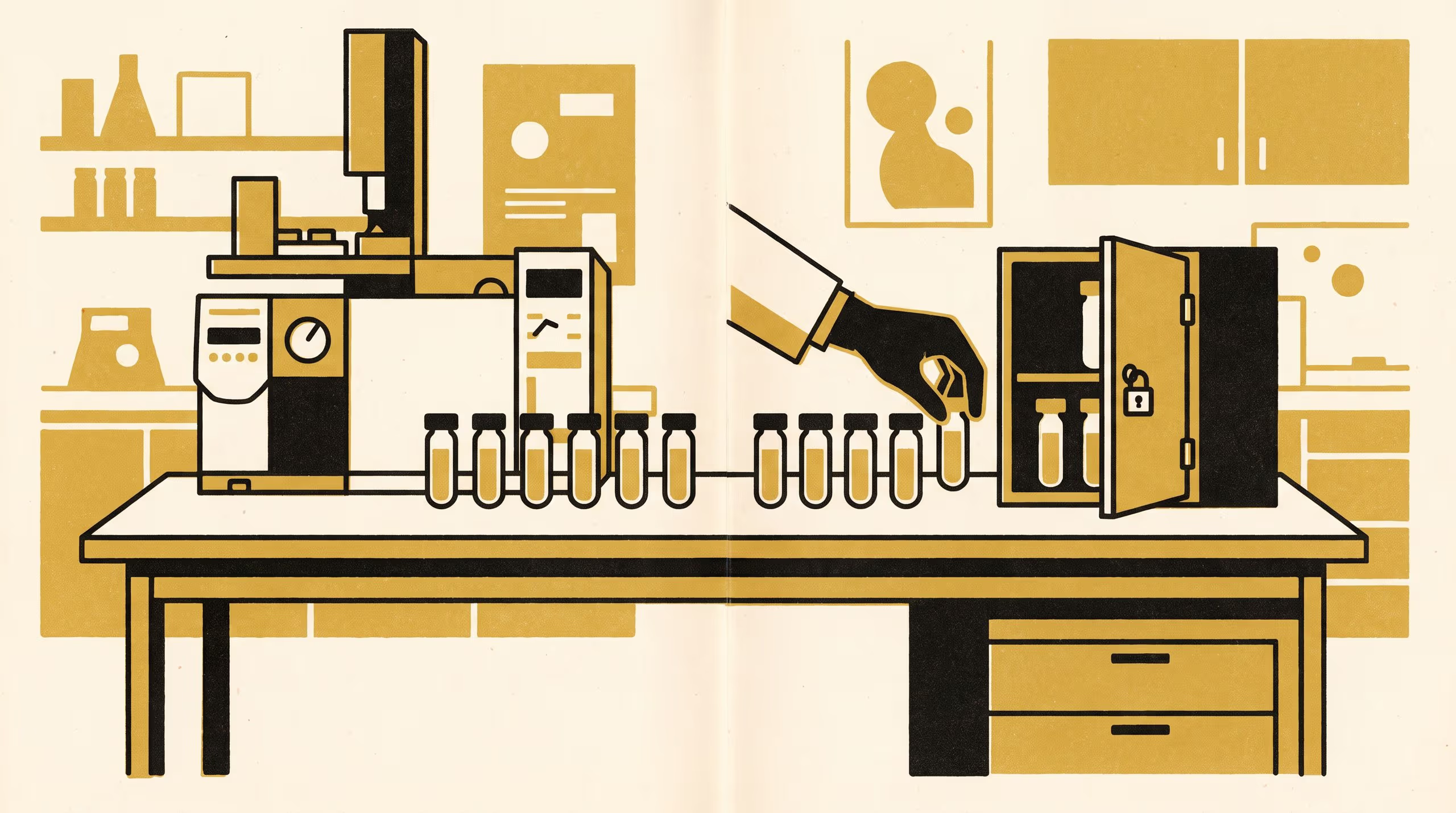
Slop University's Strategic Plan 2026-2031 commits the institution to a forensic toxicology and drug analysis capability, and to treating its own first readings as presumptive.
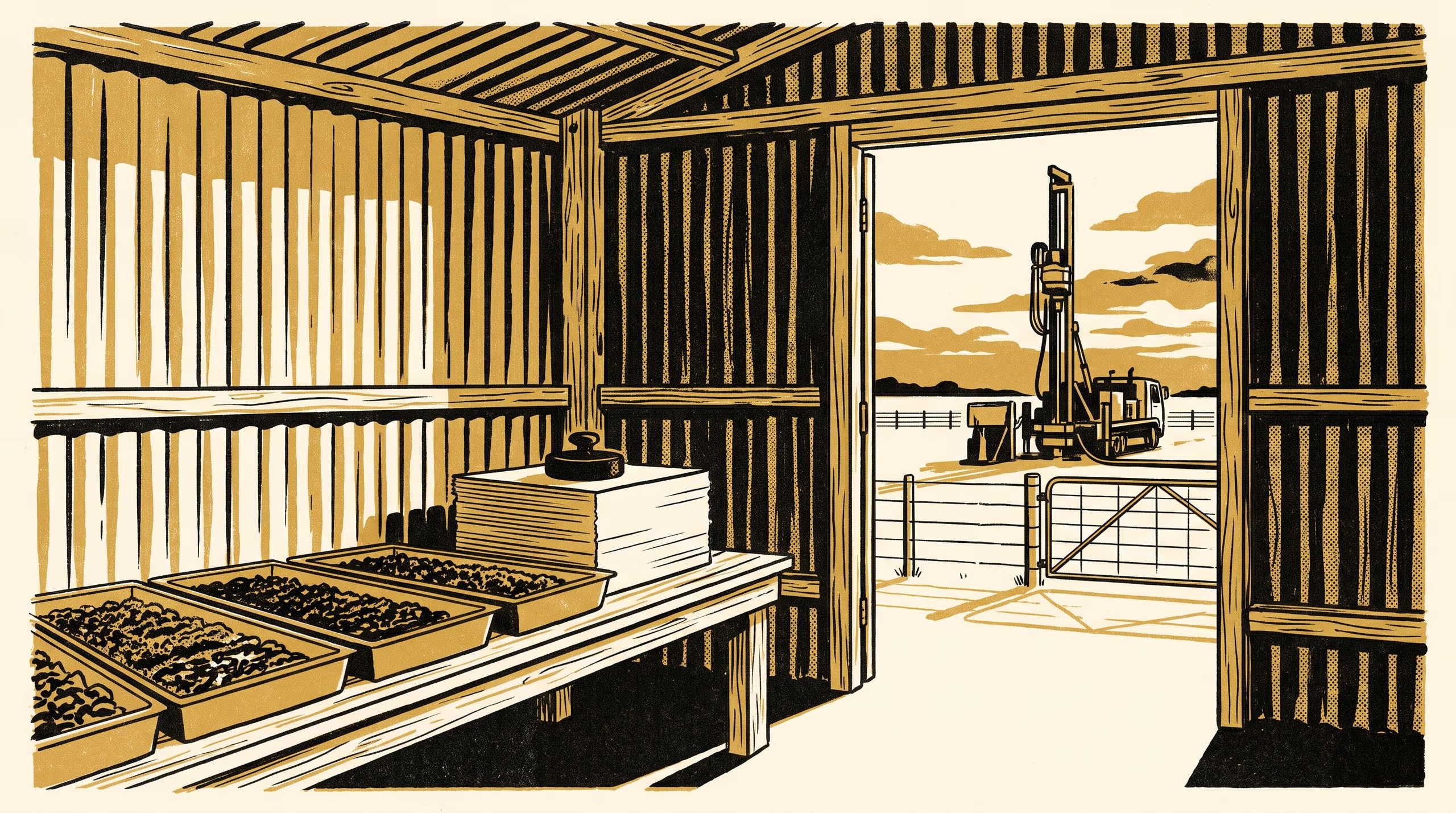
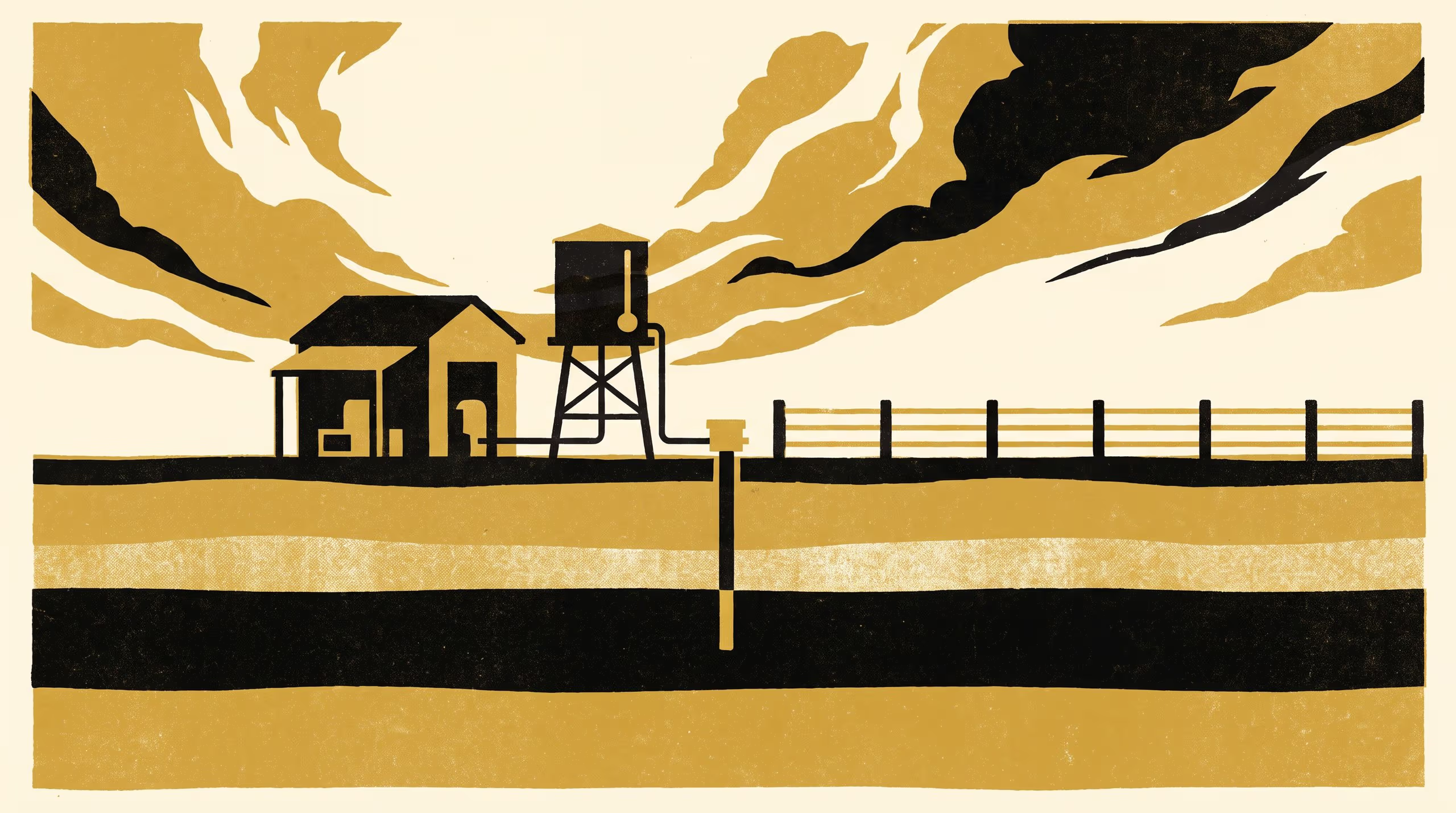
A research poster from the School of Underlying Conditions reads the dry water bore as a research result and asks what paying for its disclosure changes on the holdings around it.
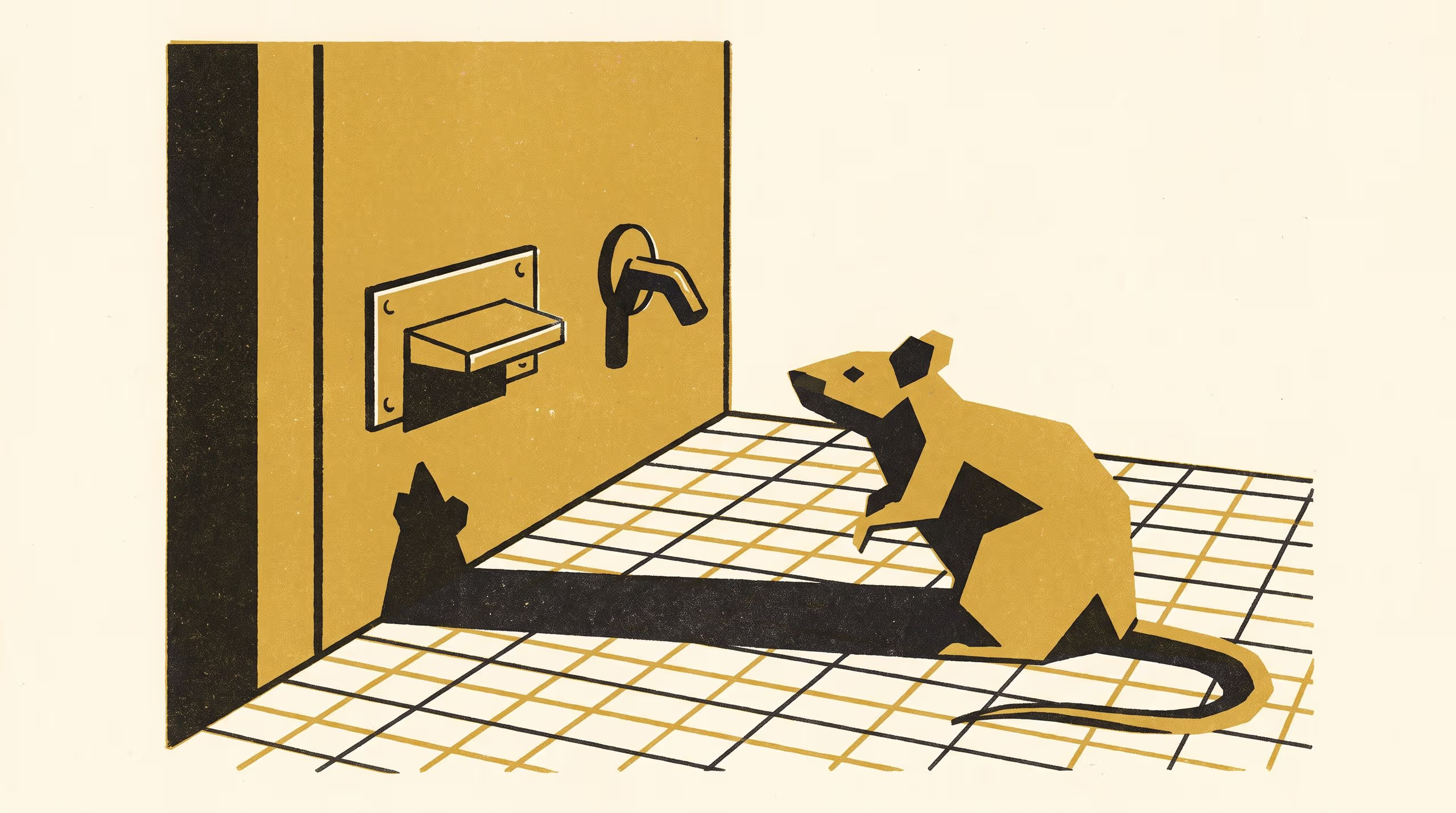
A research poster from the School of Underlying Conditions reports how long one cohort of rats went on pressing a lever once it had stopped delivering water, and what the pressing looked like by the end.
A prospectus from the School of Underlying Conditions invites students to study control and regulation from the ground's side of the loop, drawing on five of the University's published outputs.
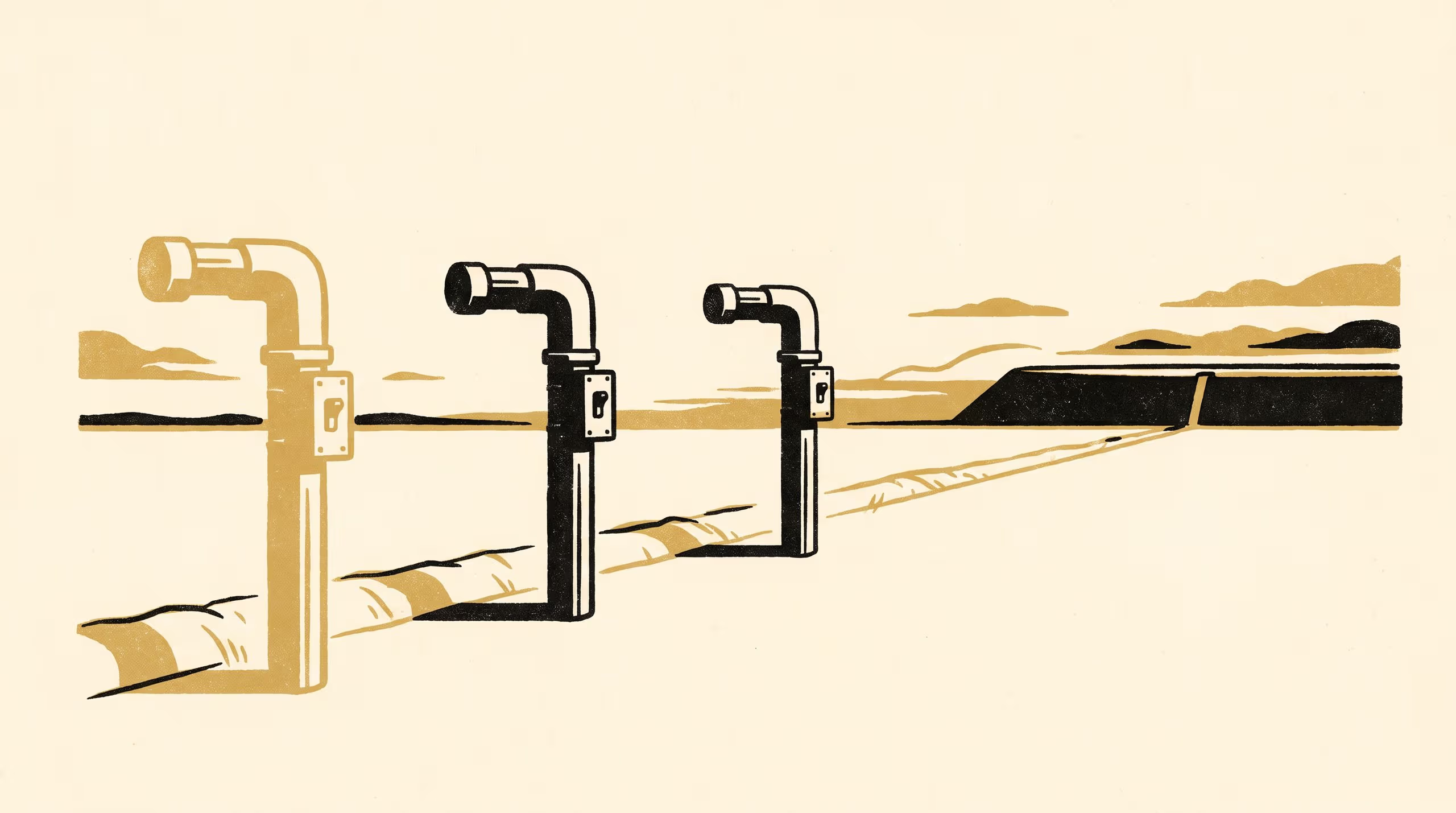
A paper from the School of Underlying Conditions follows every kilowatt-hour through one irrigation season on a three-bore supply and reports what changes when the bores take turns.
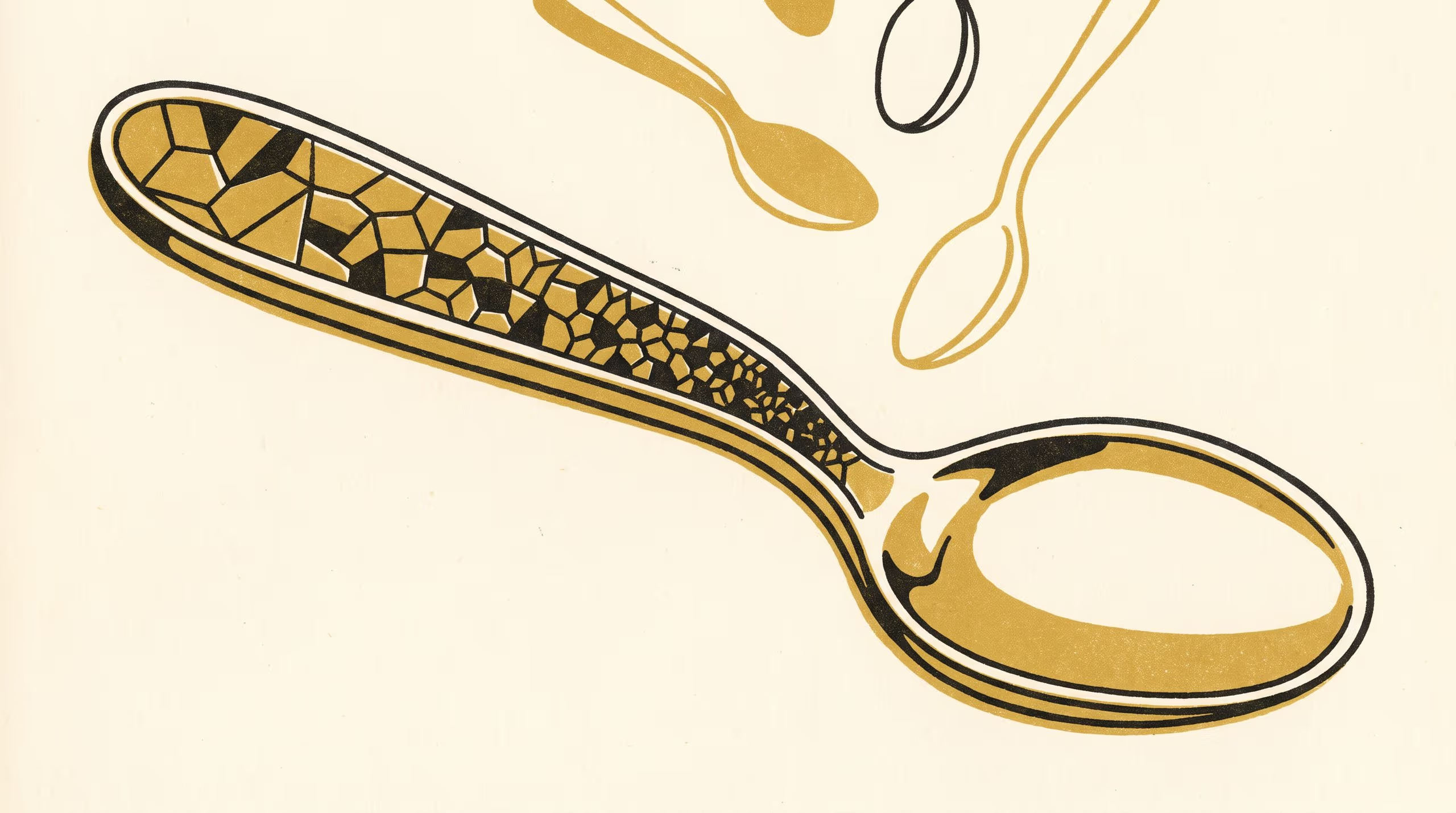
A research poster from the School of Emergent Priorities reports indentation hardness and electron backscatter diffraction results from the 52 teaspoons of a single tearoom drawer.