Research-led, metrics-forward, and continuously improving. News from the Office of Research Outputs.
5 August 2026
A new Slop University paper varies only the sentence a customer writes on a home-insurance claim form and finds acceptance in full moves 15.6 points, while the insurer's own consistency audit holds at 95.8 per cent.
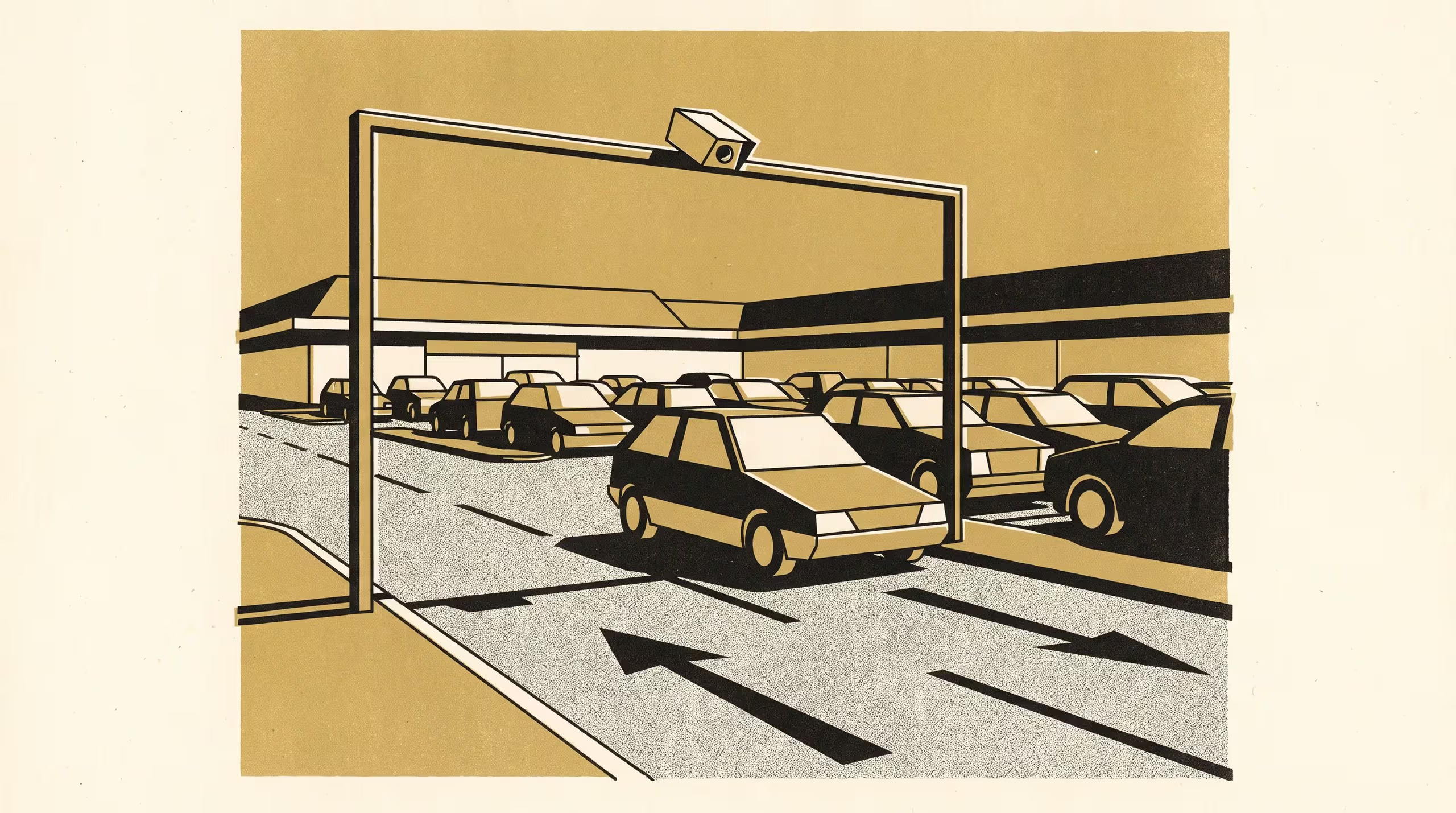
A new Slop University research poster classifies 24,318 camera entry and exit pairs at six shopping-centre car parks and finds 41.4 per cent are something other than one shopping party's single stay.
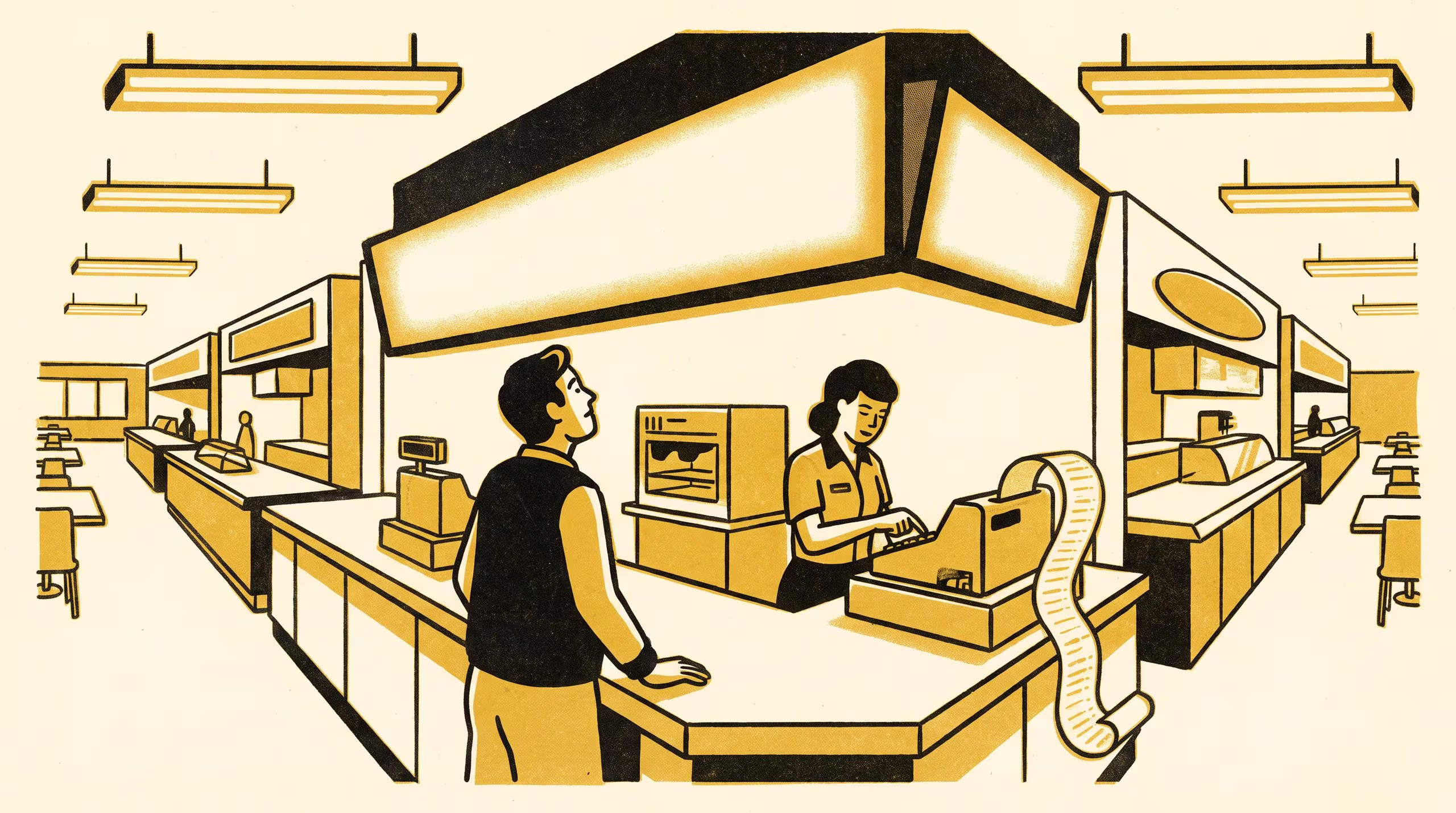
A new Slop University research poster tests menu-board kilojoule labelling at 34 food-court counters and reports a null, with the estimate sitting inside a margin of indifference fixed before the data were opened.
A new Slop University research poster compares the reason code a site manager ticks at an exit interview with the code the same leaver selects six months later, and finds the two agree on fewer than half of 604 matched departures.
A new Slop University research poster repeats the University's own successor desire-line study in a second council area and finds fresh worn lines at 26 per cent of sealed shortcuts, against the 71 per cent originally reported.
The University's newest display advertisement sells Demo Quarter on the gap between what a shelf lists and what it holds, and joins the rotation on bus-stop and campus screens.
Slop University has published a research-showcase brochure on the requests institutions send into households, and the evening each one is made of.
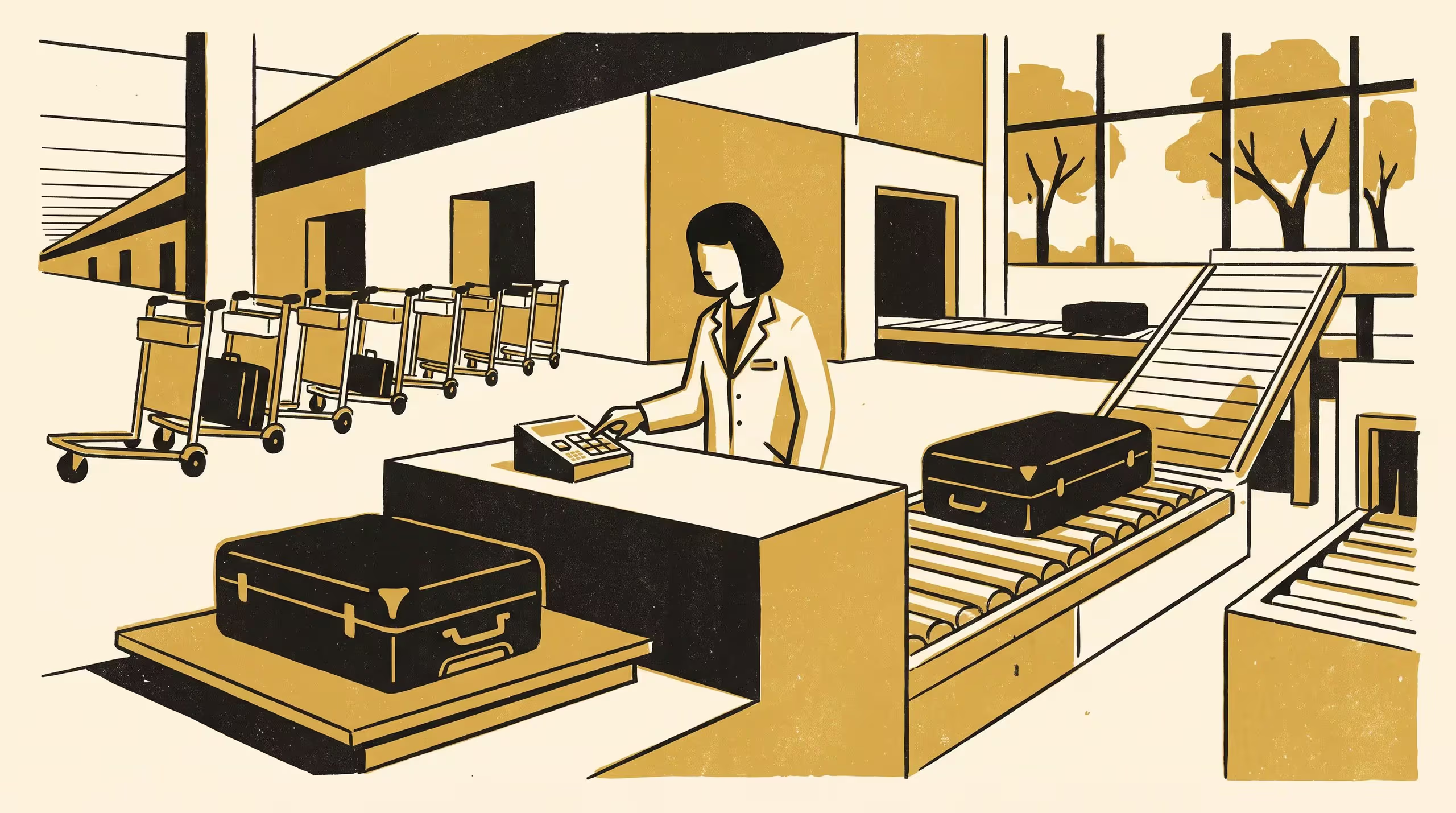
A new Slop University paper matches desk-recorded checked baggage weights to the same bags weighed again by the ramp loading system, and finds a hard cluster just under the 23 kilogram allowance that the bags themselves do not show.
Slop University has published its 2021 to 2026 Impact Report, five years of the School of Continuous Improvement's work on a published table converting a spare key held next door, a lift to an appointment and a Saturday fixture into one comparable unit, and on the custody that table never had.
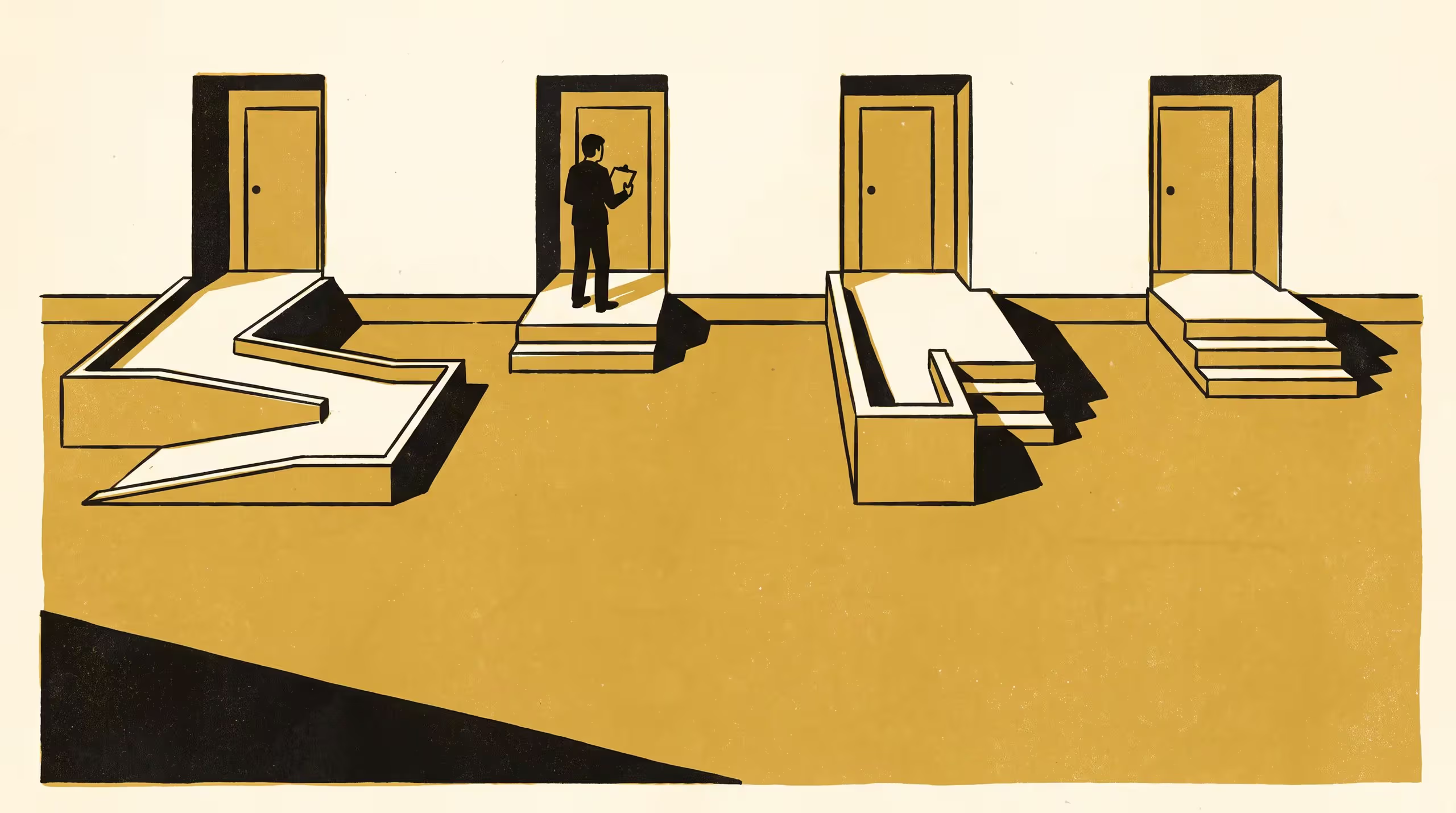
A new Slop University research poster audits every venue a council's hire listing calls accessible and finds the arrival completes at 34 of 88, while the single self-assessment question the listing is built from stays accurate.
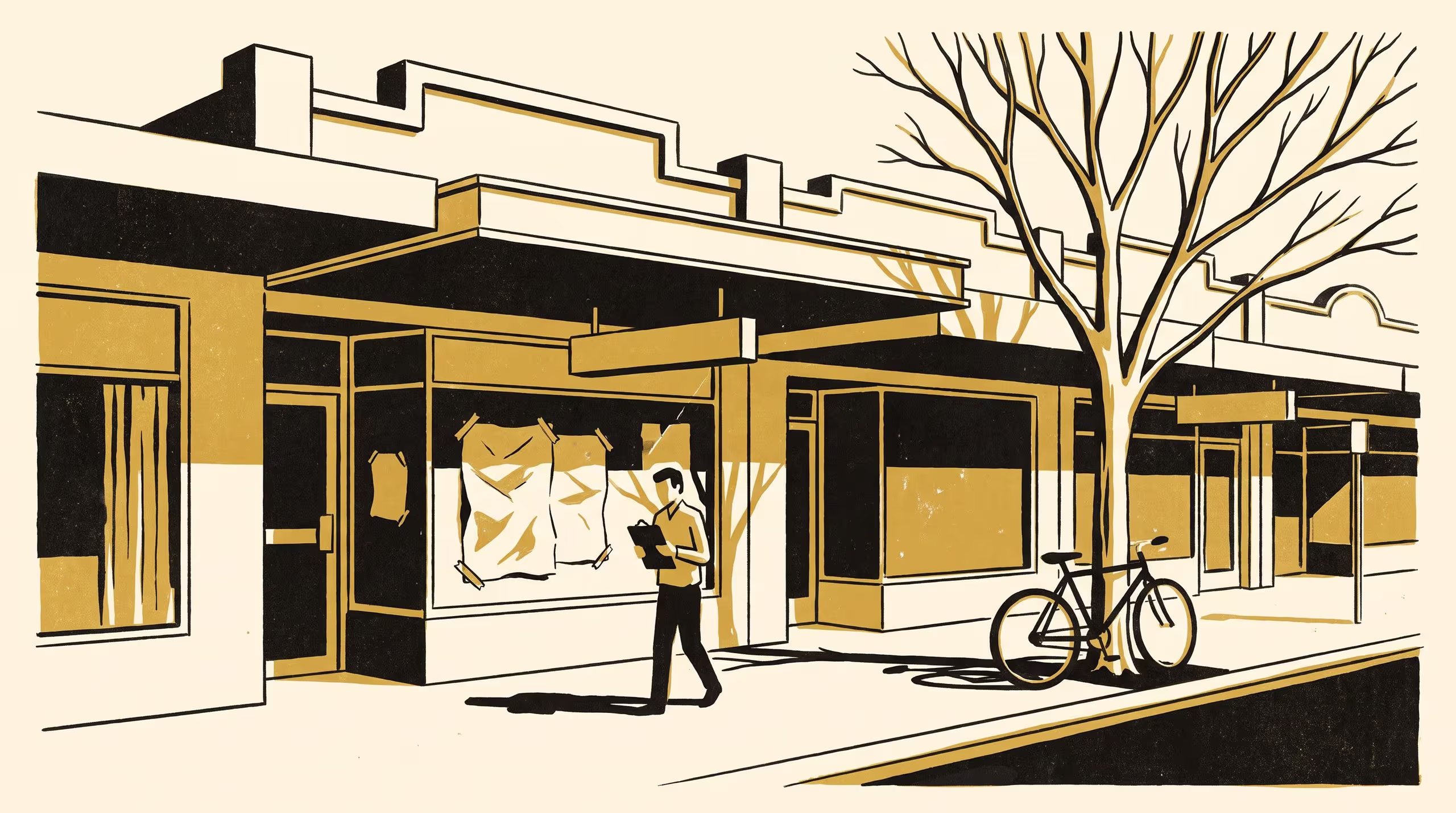
A new Slop University paper walks 41 shopping strips every month for 30 months and finds the vacancy rate that ranks them for renewal funding is accurate as a rate and carries no information about the persistence the funding rule is written about.
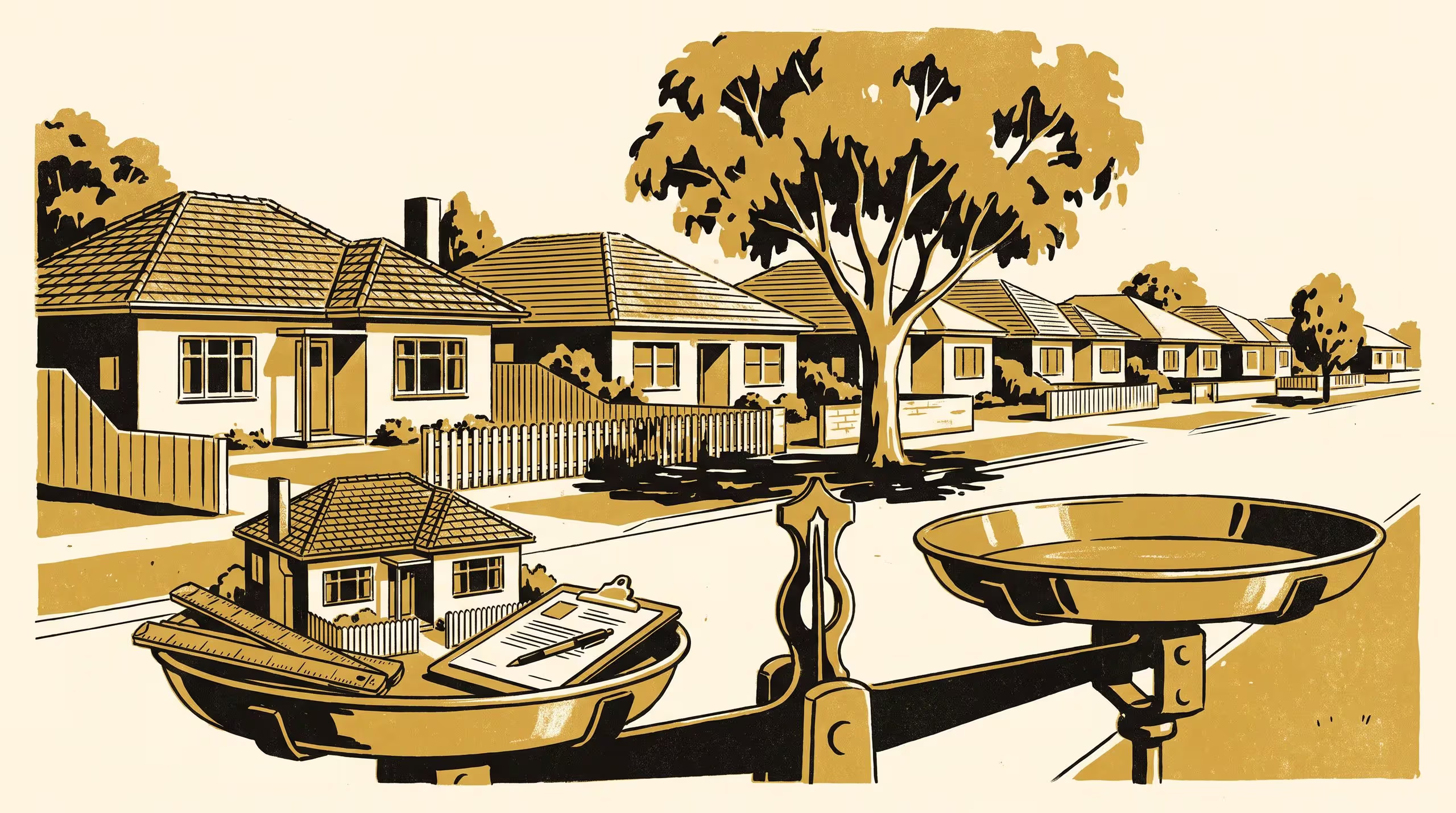
A new Slop University paper recomputes one council heritage study's listing recommendations across every weighting its own published methodology admits, and finds fewer than half of them settled by the criterion scores.