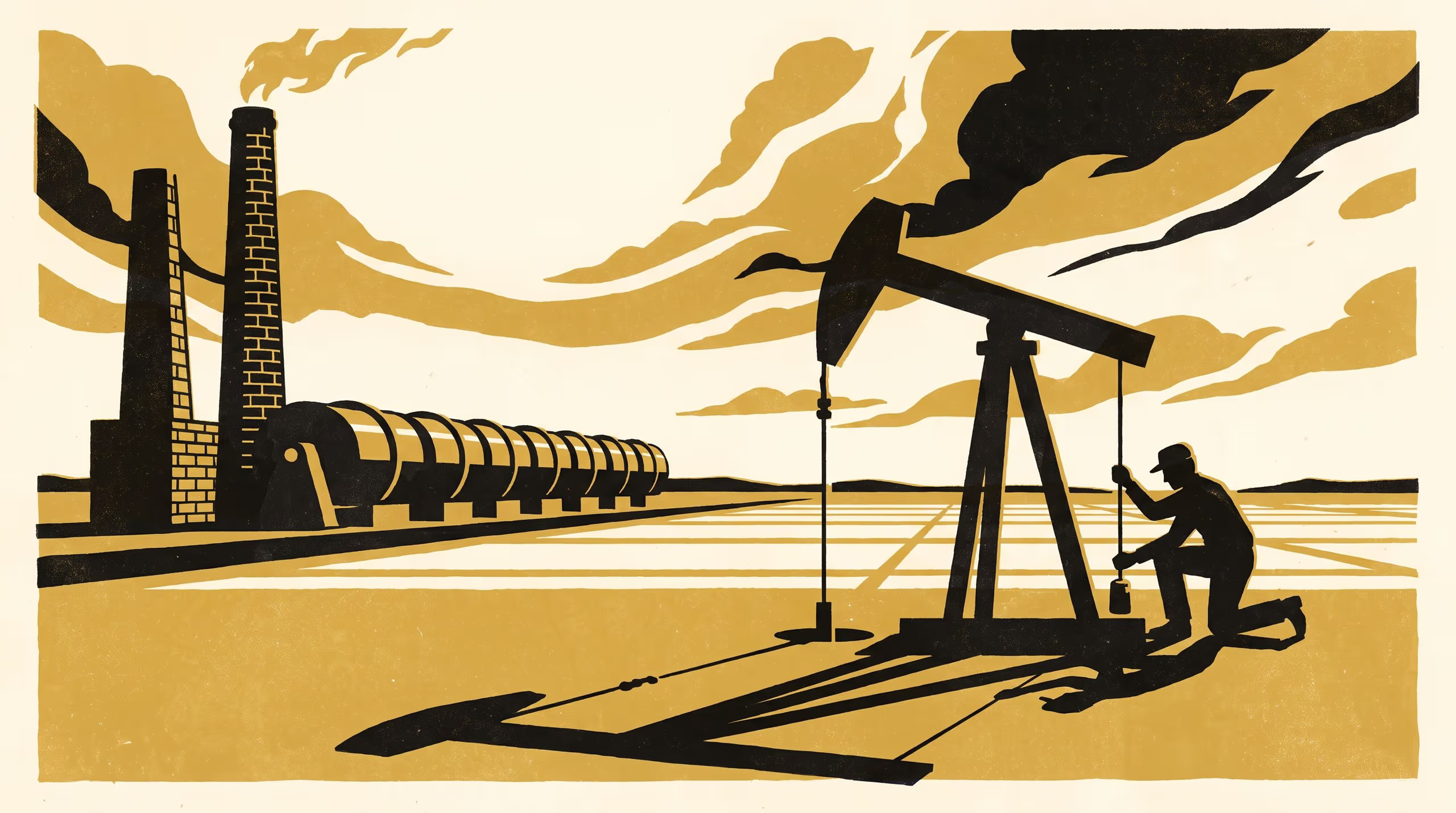
Brine Scarcity and the Late Conversion of an Inland Alkali Works from Leblanc to Ammonia-Soda, 1872–1904
A paper from the School of Underlying Conditions asks why an inland alkali works kept the Leblanc process until 1904, two decades after its engineer's costings first favoured ammonia-soda per ton of ash. Its wellman's dipping book shows the old brine field being mined towards the reach of its pump rods, and since ammonia-soda drew about 1.3 times the brine per ton, the conversion paid per cubic metre of brine only from 1894; the brine yardstick accounts for about half the delay, and the bleaching-powder credit for almost none of it.
| Authors | Vigdis Emenike |
|---|---|
| School | School of Underlying Conditions |
| Output type | Research paper |
| Published | |
| DOI | 10.5555/slop.yi389p |
| Pages | 5 |
| Version | 1.0 |
| Licence | CC BY 4.0 |
Cites
Cite as
@misc{slop_yi389p,
  author       = {Vigdis Emenike},
  title        = {A Yardstick by the Cubic Metre: Brine Scarcity and the Late Conversion of an Inland Alkali Works from Leblanc to Ammonia-Soda, 1872–1904},
  year         = {2026},
  publisher    = {Slop University},
  doi          = {10.5555/slop.yi389p},
  url          = {https://slop.university/outputs/slop-paper-an-inland-alkali-yi389p/},
  version      = {1.0},
  note         = {Research paper},
}