Session Completion and Sample Composition after an Interim Switch to Dry-Electrode EEG in Autistic and Non-Autistic Adults
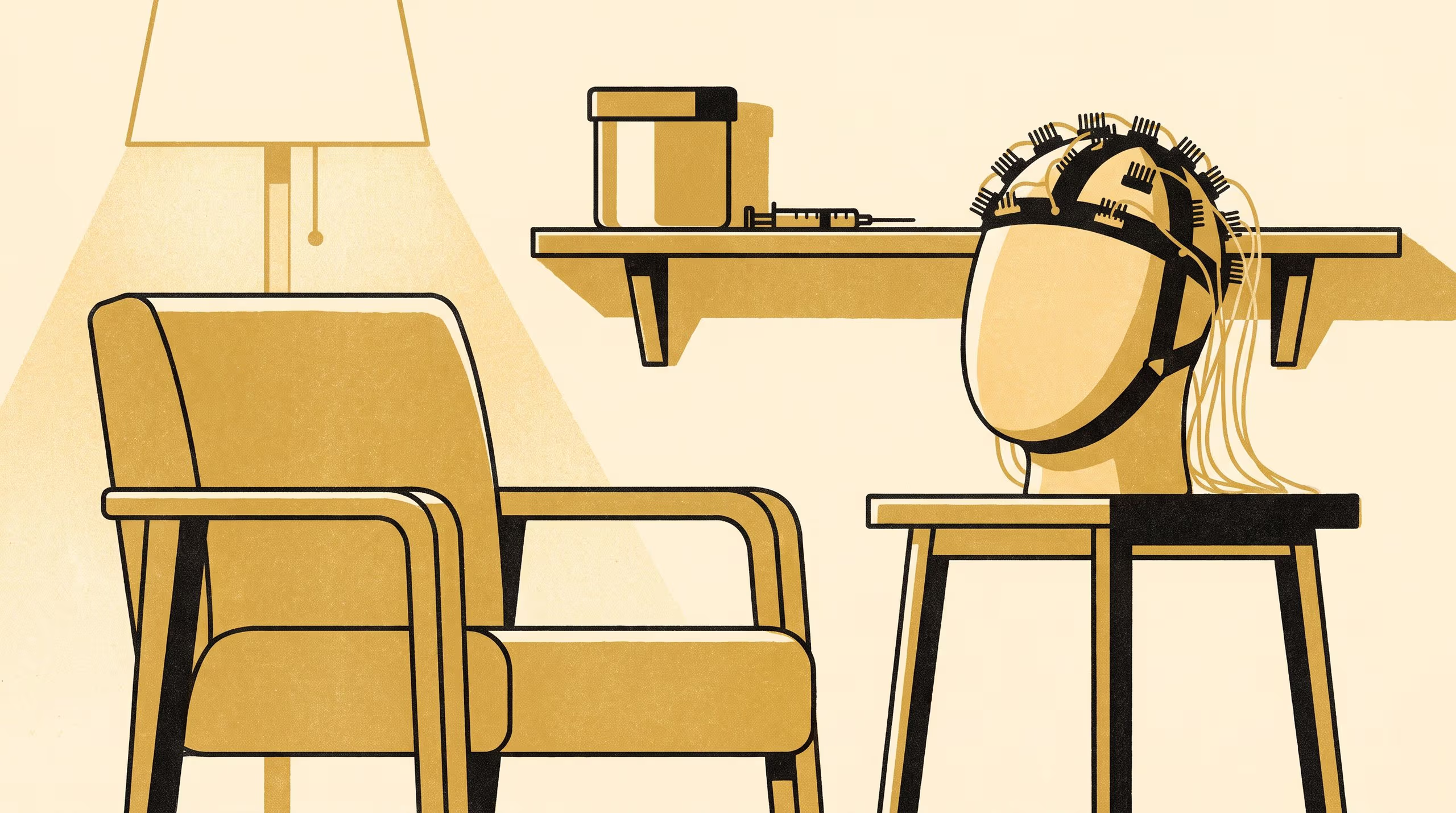
A paper from the School of Emergent Priorities follows one EEG laboratory across the dry-electrode cap it adopted as an interim measure when its gel ran out, and never withdrew. Over 497 attended sessions, completion among autistic adults rose from 68.3% under gel to 89.2% under the dry cap and stopped depending on sensory sensitivity, while the group difference in the resting aperiodic exponent shrank from g = -0.46 to -0.11 and largely returned when the dry-period sample was reweighted to resemble those who had completed under gel.
| Authors | Tove Ilesanmi , Iben Chikere , Lindiwe Achterberg |
|---|---|
| School | School of Emergent Priorities |
| Output type | Research paper |
| Published | |
| DOI | 10.5555/slop.dk69a6 |
| Pages | 6 |
| Cited by | 2 outputs |
| Version | 1.0 |
| Licence | CC BY 4.0 |
Cites
Cited by
Cite as
@misc{slop_dk69a6,
  author       = {Tove Ilesanmi and Iben Chikere and Lindiwe Achterberg},
  title        = {Whose Resting State?: Session Completion and Sample Composition after an Interim Switch to Dry-Electrode EEG in Autistic and Non-Autistic Adults},
  year         = {2026},
  publisher    = {Slop University},
  doi          = {10.5555/slop.dk69a6},
  url          = {https://slop.university/outputs/slop-paper-an-autism-eeg-dk69a6/},
  version      = {1.0},
  note         = {Research paper},
}