Research-led, metrics-forward, and continuously improving. News from the Office of Research Outputs.
13 September 2026
A School of Emergent Priorities research poster times 214 boarding events at 18 suburban bus stops and reports the University piloting a marked, audited boarding-order register at the stops where riders queue earliest.
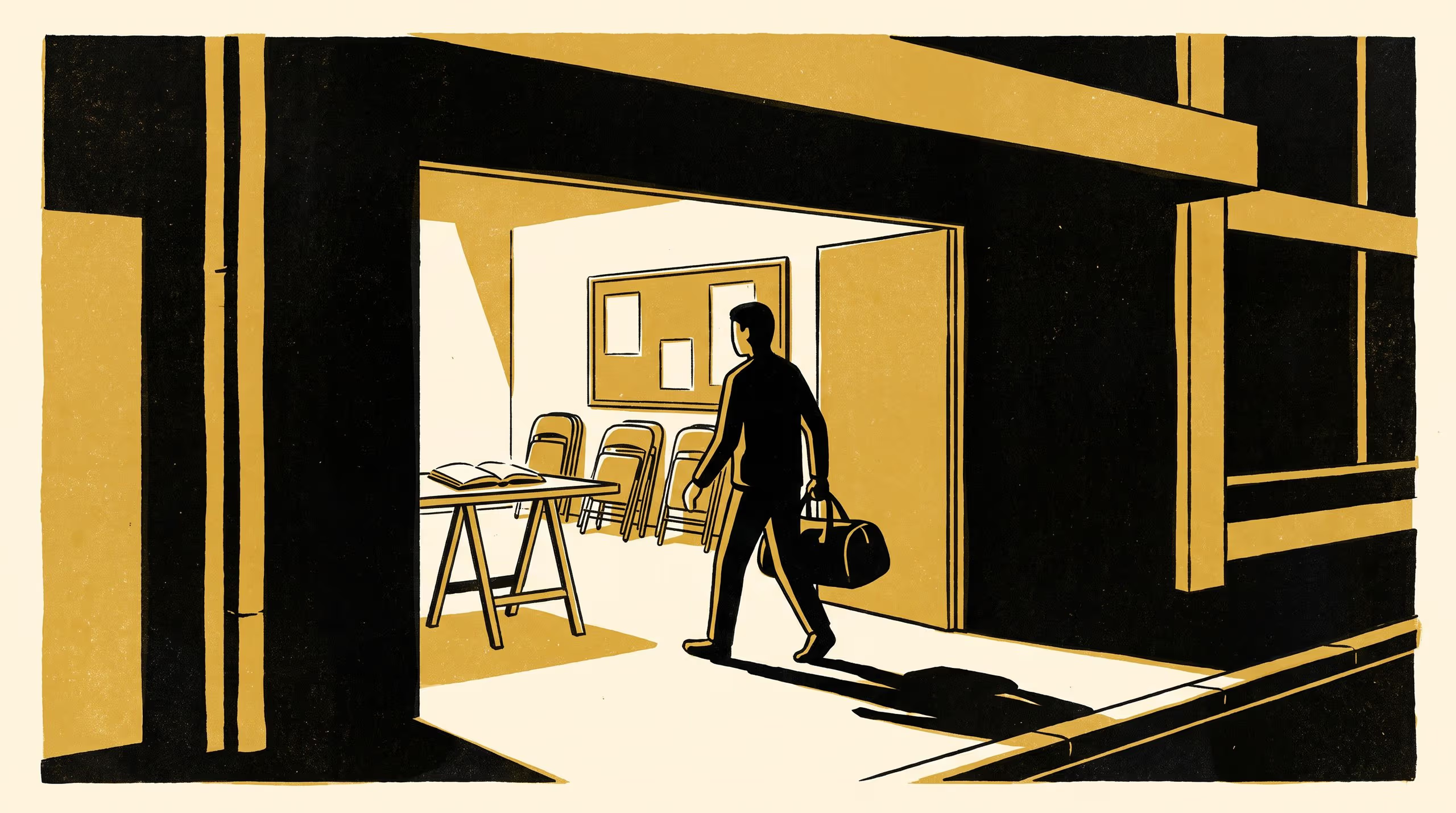
A new Slop University brochure sets out GATE, the General Attendance Threshold Engine, which took a lecture theatre's timed door lock and installed the same rule across the University's community-partnership venues, alongside two more campus instruments taken into civic life.
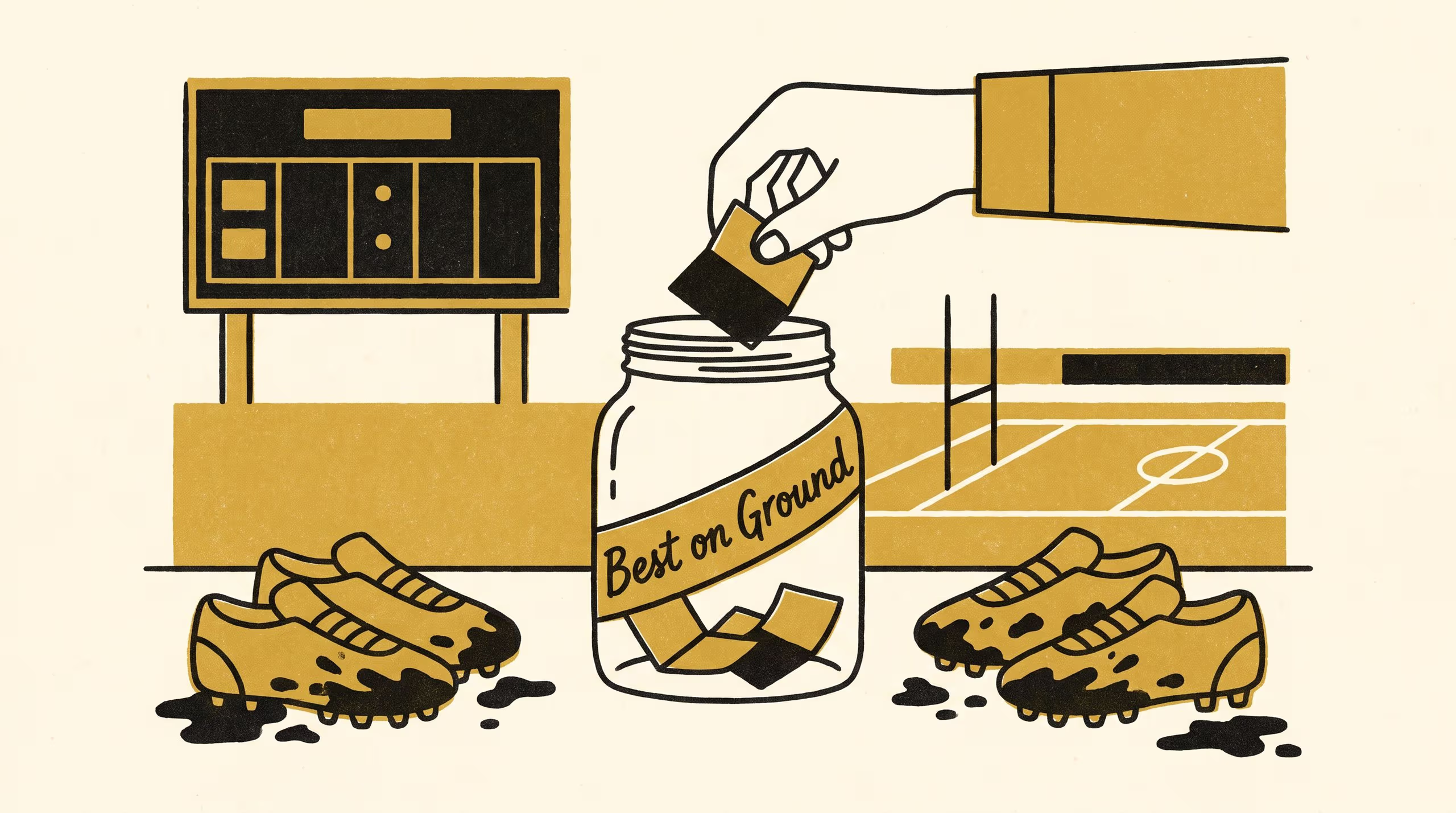
A School of Emergent Priorities research poster interviews 34 amateur footballers across six suburban clubs and reports the University recommending every club log its spectator Best on Ground vote alongside the coach's own rating, with no discretionary suppression.
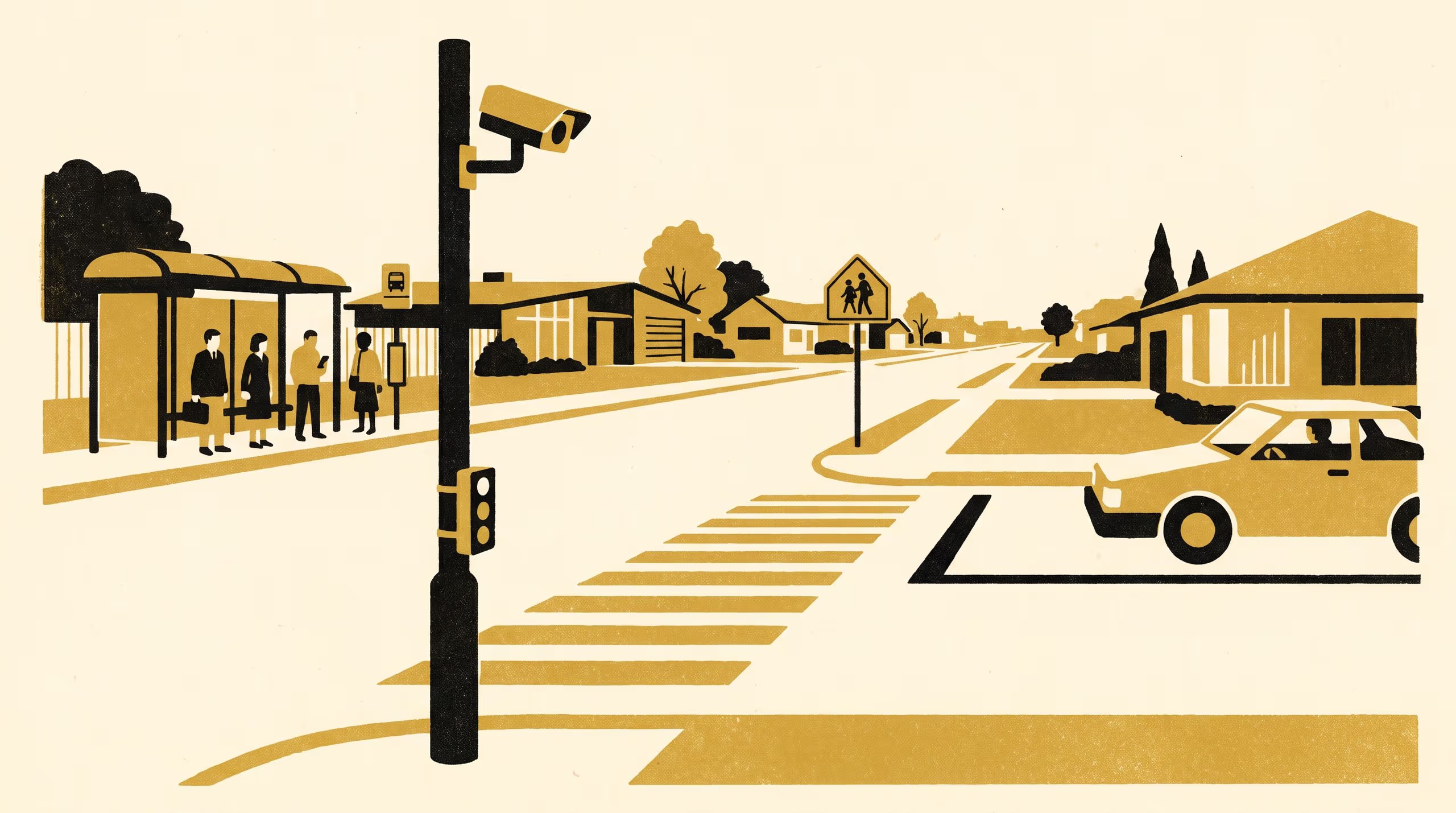
A School of Continuous Improvement poster sorts pedestrian crossing conduct into four quadrants and reports the Transport Coordination Unit locking each site's signal hold to the resulting quadrant share for the full term.
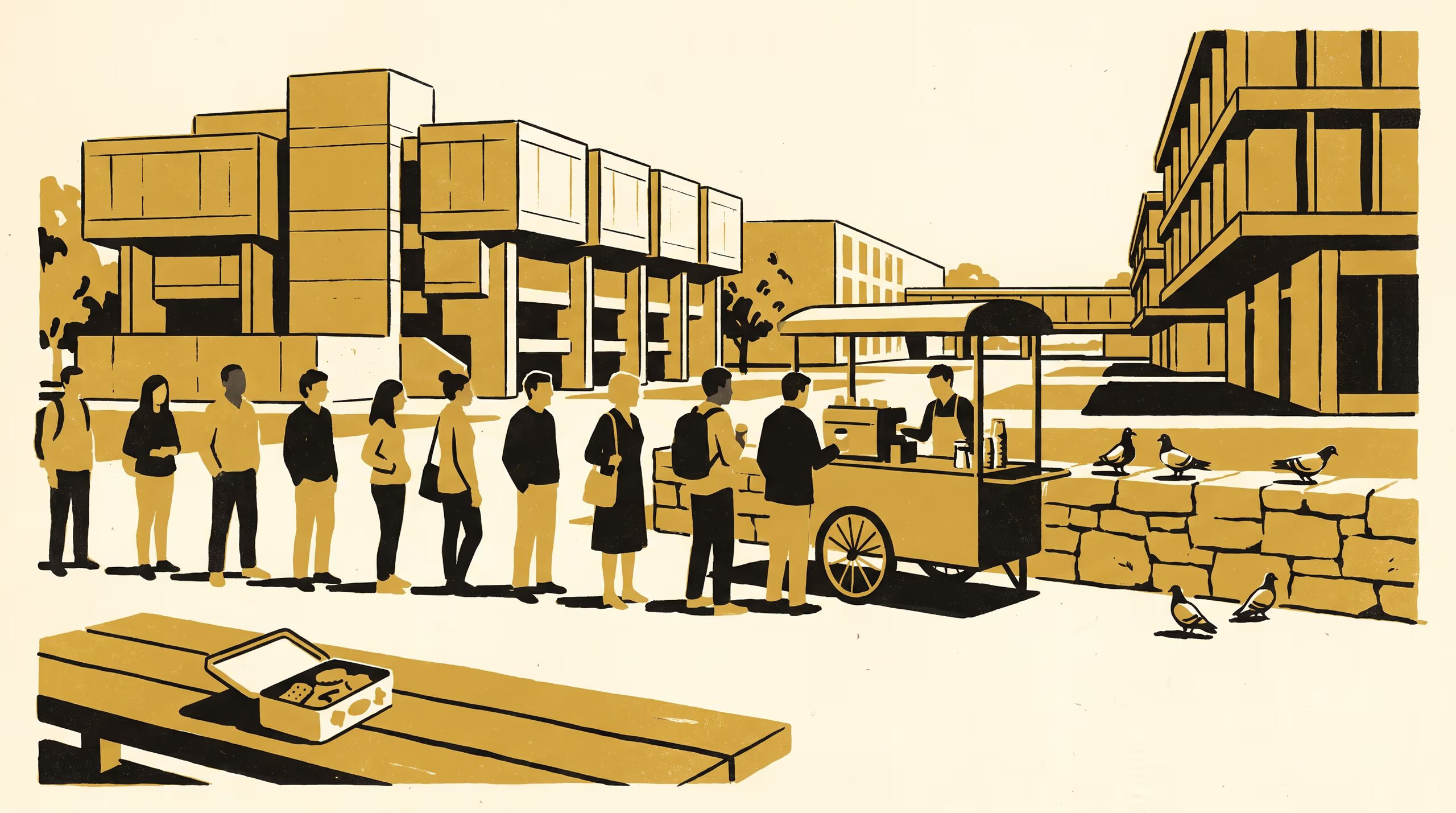
A School of Emergent Priorities paper scores 41 University committees, labs, working groups and initiative teams on how they manage a shared coffee queue, courtyard pigeons and a tea-room biscuit roster, and reports the University deferring capital-works funding for units that have not reached the maturity ladder's second rung.
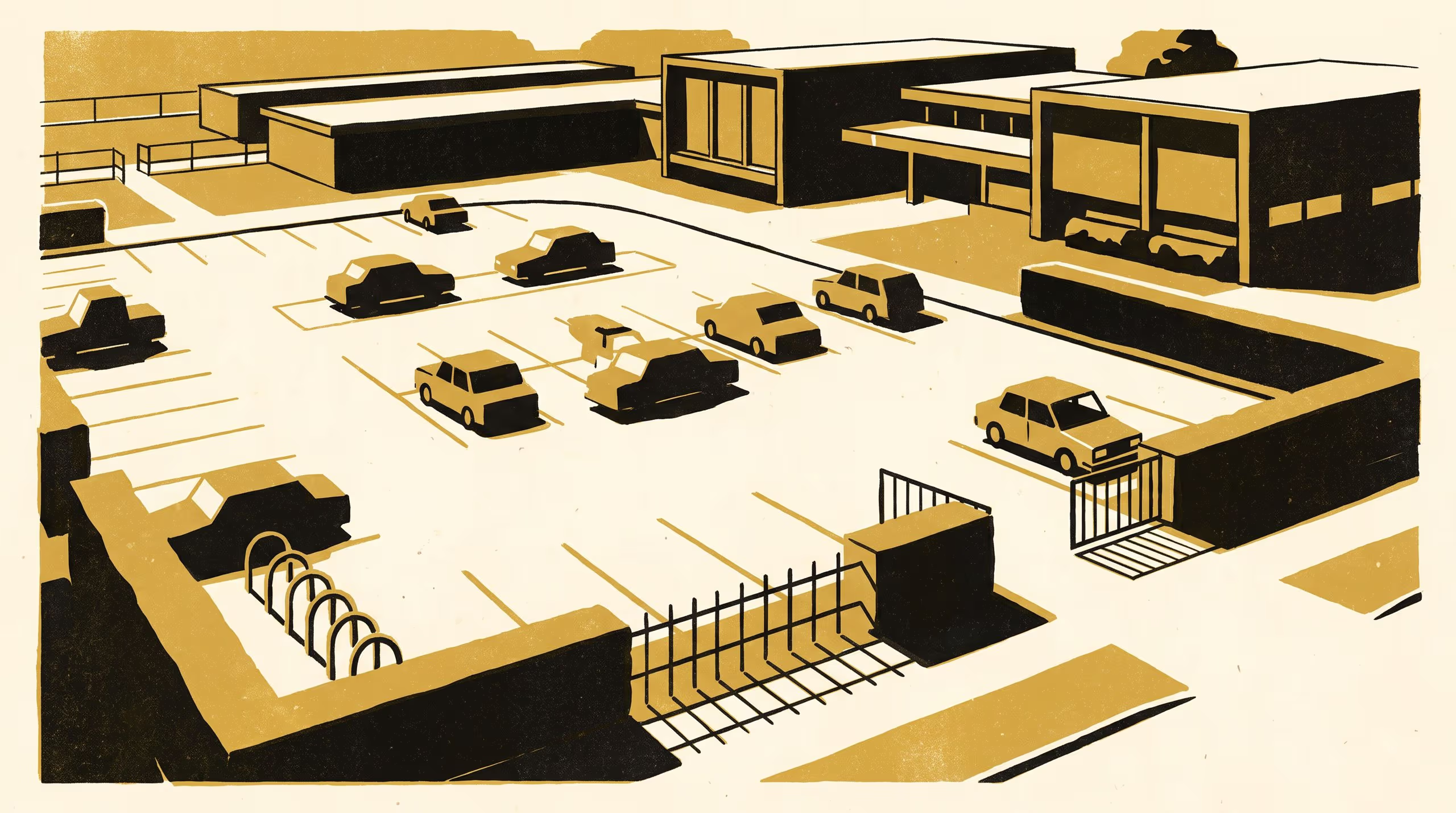
A School of Continuous Improvement poster surveys caregivers' self-reported circling time at nine school-gate car parks and reports the University licensing a reserved short-stay bay to the slowest-reporting quartile each term.
The Anticipatory Capability Fund awards Dr Sten Okwuosa and Dr Ingrid Vasseur a grant to hold a tradesperson's customer testimonial out of rotating van and website signage until the job's contractual callback window has elapsed without a follow-up request.
A School of Continuous Improvement paper times how long newcomers wait to be greeted at 187 community clubs and reports the University's Community Partnerships Office tying a discounted insurance pool to the resulting percentile bands.
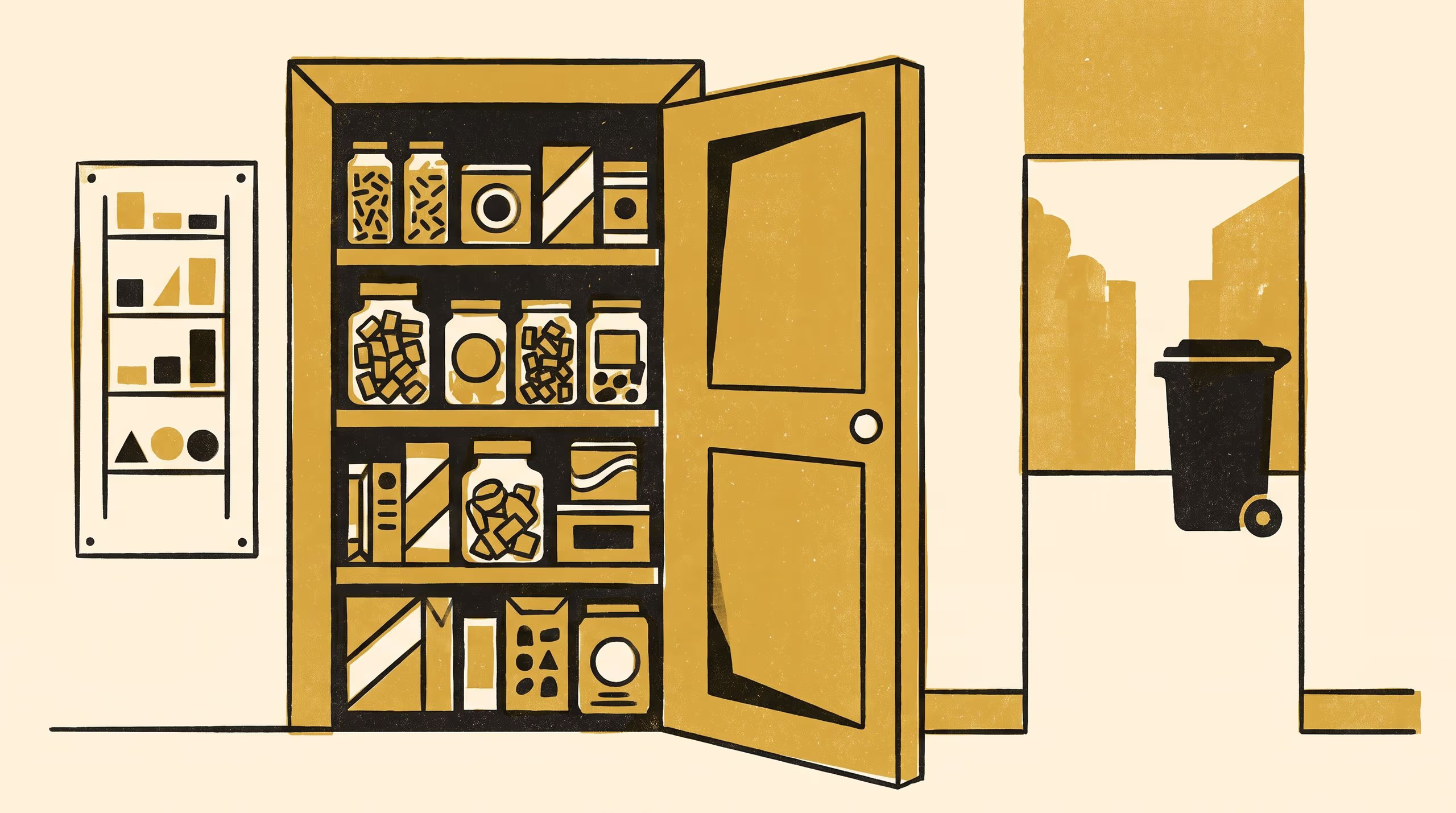
A School of Continuous Improvement impact report reviews five years of measurement instruments built for domestic life, from a pantry FIFO-labelling maturity model that now gates entry to a street's shared preserve-swap night, to a fridge early-warning ensemble and a verge-tidiness league table.
A School of Continuous Improvement paper cluster-randomises fourteen open-plan offices to test whether a self-assessment form's attestation line changes how staff rate their own performance, finds no effect on any of three instrumented forms, and reports the partner firm's decision to mandate top-of-form attestation regardless.
A School of Continuous Improvement paper describes an arbitration engine that scores evidence in short-stay review disputes and finds its auto-publish threshold, lowered once to clear a backlog, has since become the platform's standing policy.
A School of Emergent Priorities paper interviews shoppers and checkout staff about when they abandon a single supermarket queue, and reports the University's plan to bind their reported threshold into a retail- partnership staffing rule.