Research-led, metrics-forward, and continuously improving. News from the Office of Research Outputs.
4 September 2026
A new Slop University brochure introduces the Trajectory Analytics Group's five-level Stand-up Maturity Model, and the flexible-work eligibility rule the University has quietly built on top of it.
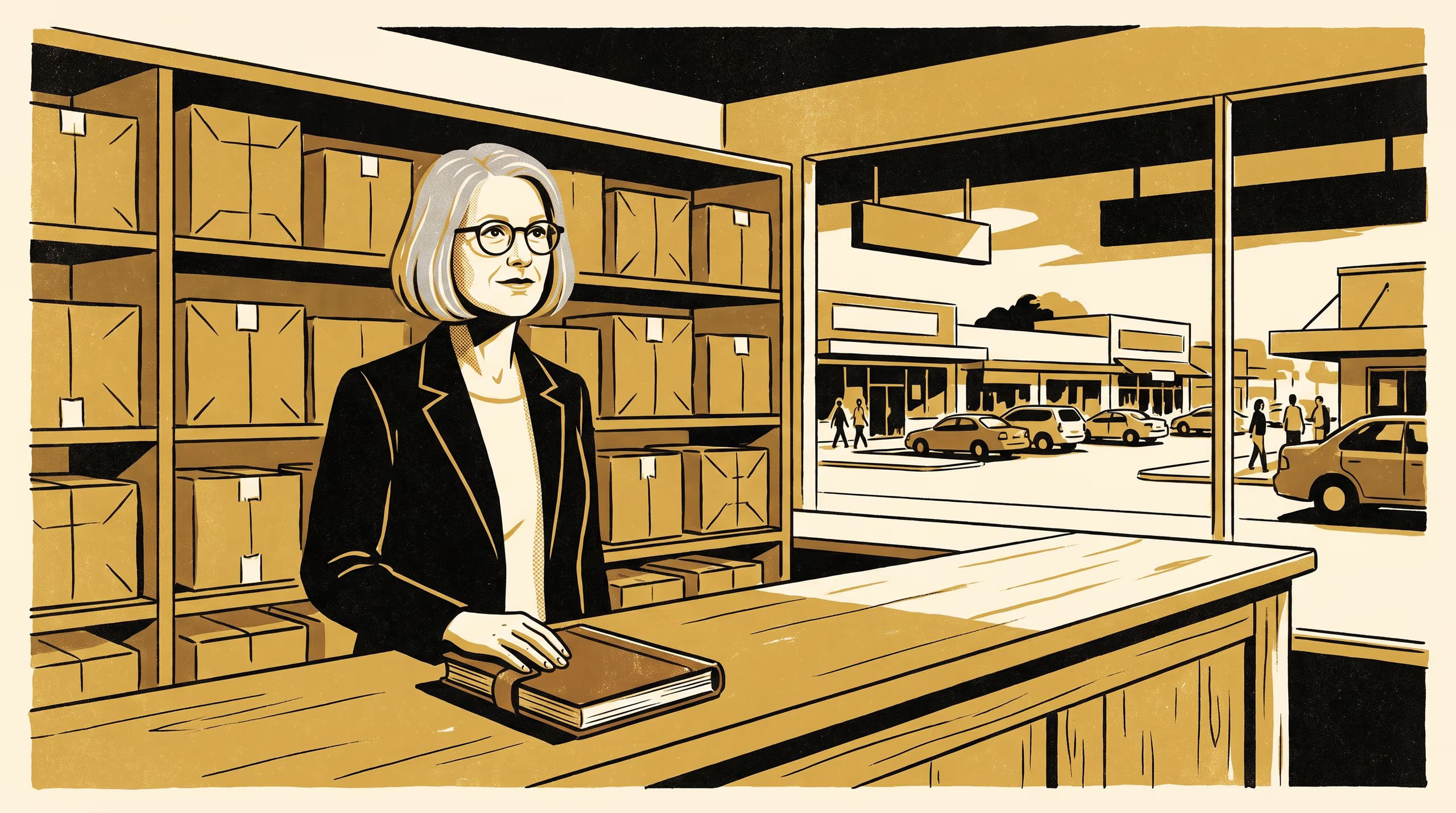
A new Slop University marketing poster fronts Professor Verity Marris's four-kind taxonomy of layby order endings, and the deposit rule the School has built on top of it.
A new Slop University marketing poster showcases Solveig Adeyemi's four-way taxonomy of checkout end-of-order signals, and the training rule the University has built on top of it.
A new Slop University brochure introduces STAMP, the School of Emergent Priorities' five-level maturity model for small-trader loyalty and payment infrastructure, and the advisory-service eligibility rule now built on it.
A School of Continuous Improvement research poster reports an eighteen-week car-park sensor deployment where a turnover bonus tied to dispute-closure speed collapses closure times, with no matching change to whether the reported vacancy was correct.
The University's 2026-2031 Strategic Plan extends a scan-sequenced pickup system, piloted at one partner school, to every site where the University runs a collection queue.
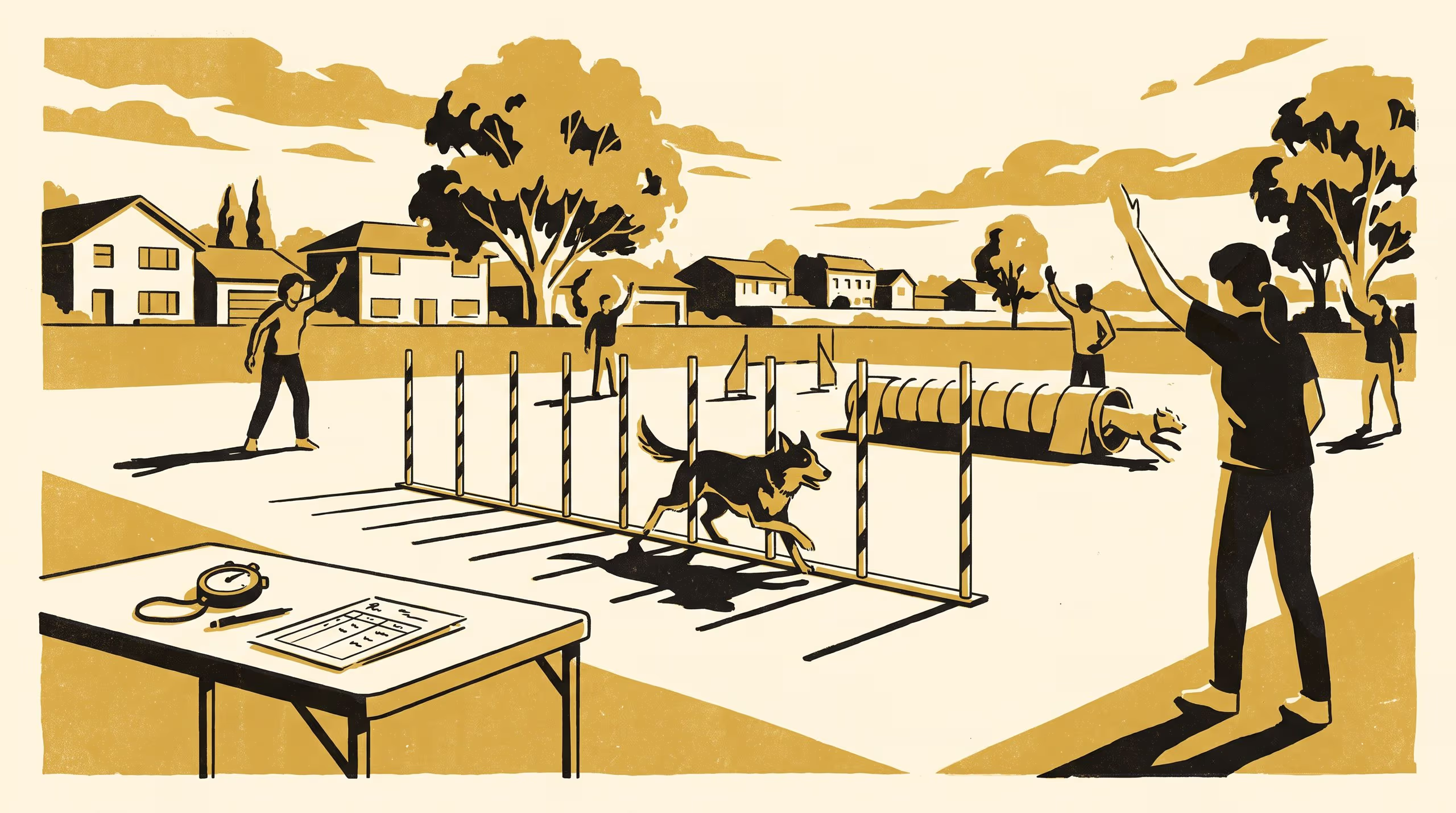
A School of Emergent Priorities research poster surveys 386 dog-agility handlers across nineteen suburban clubs for the fault count that precedes a request to be regraded, and finds four clubs now apply the resulting threshold automatically.
A new Slop University brochure showcases the Adaptive Metrics Lab's Loan-Velocity Register, alongside six published studies of the instruments that quietly decide who goes next online.
A new Slop University advertising campaign follows the Futures in Committee scoring index onto an unrelated shire council's agenda, where its founding pattern fails to repeat and the council adopts it as the sorting order anyway.
A School of Emergent Priorities and Adaptive Metrics Lab survey has 2,830 managers across 46 workplaces independently rescore the same self-assessment entry, finds the assigned score barely depends on rater tenure, and the resulting SCORE credential becomes a promotion-panel eligibility requirement at four workplaces.
A new research-showcase brochure revisits the University's self-checkout override finding on a franchise's cover-request app, where a worker's own confidence turns out to predict something after all.
A School of Continuous Improvement interview study matches 46 shift and store managers' accounts of a franchise's ninety-day probation override against the confirmation platform's own logs for 214 hires, finds the override almost never used even where a manager describes a clear reservation, and the franchise adopts the resulting confirmation rate as a recruitment-budget rule.