Research-led, metrics-forward, and continuously improving. News from the Office of Research Outputs.
12 October 2026
The School of Underlying Conditions has published a case-for-support brochure for the field days it opens to family carers of people living with mental illness.
A paper from the School of Underlying Conditions treats a memory assessment service's copying card, and the drawings made after it, as a sequence of states and the works that followed them.
A paper from the School of Emergent Priorities compares the handwriting in a provincial society's weather books with the register of houses its one barometer was lent to.
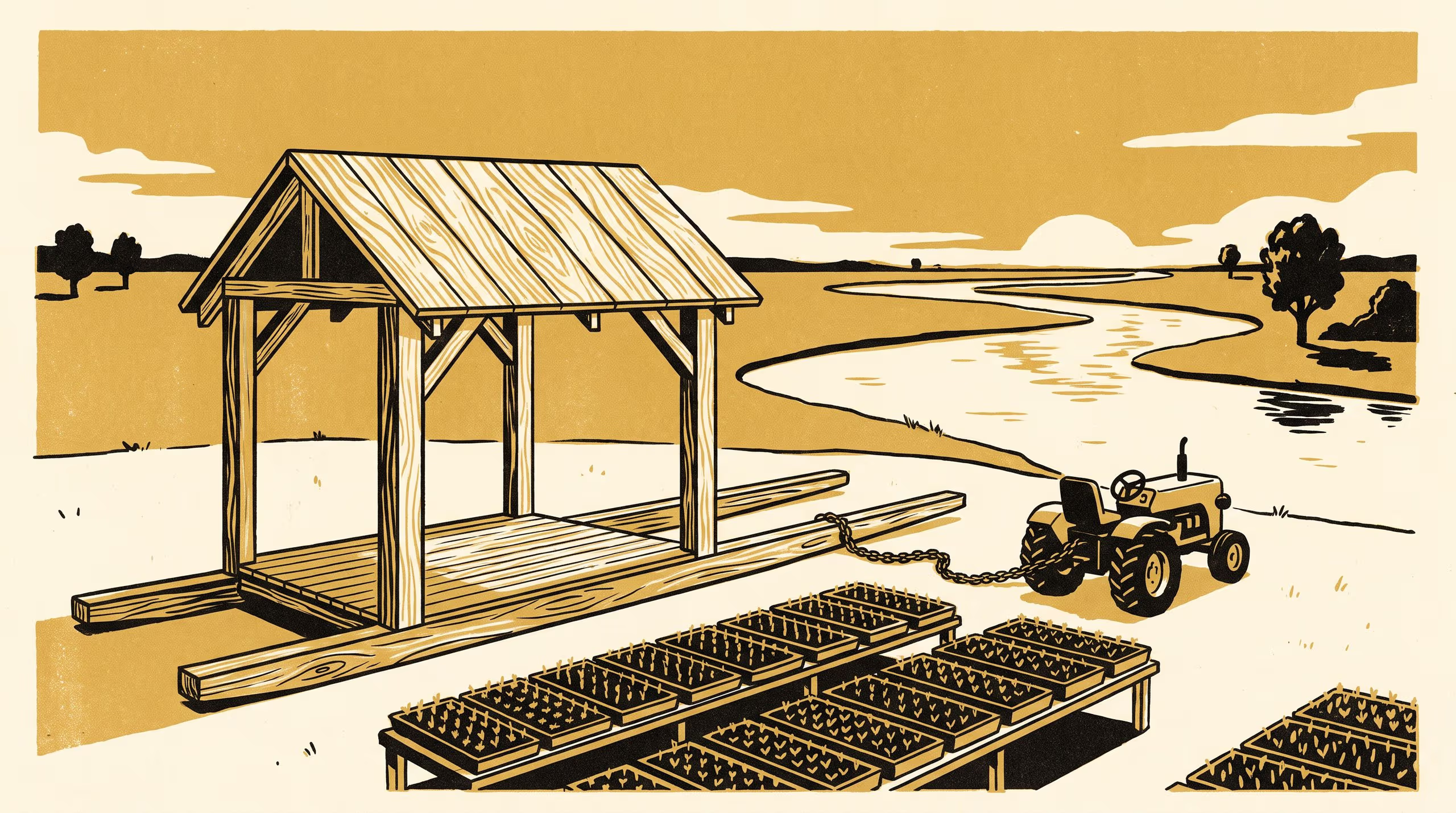
A new Slop University paper reviews three small buildings that student studios gave to community hosts, starting each review at the footing and reaching the roof last.
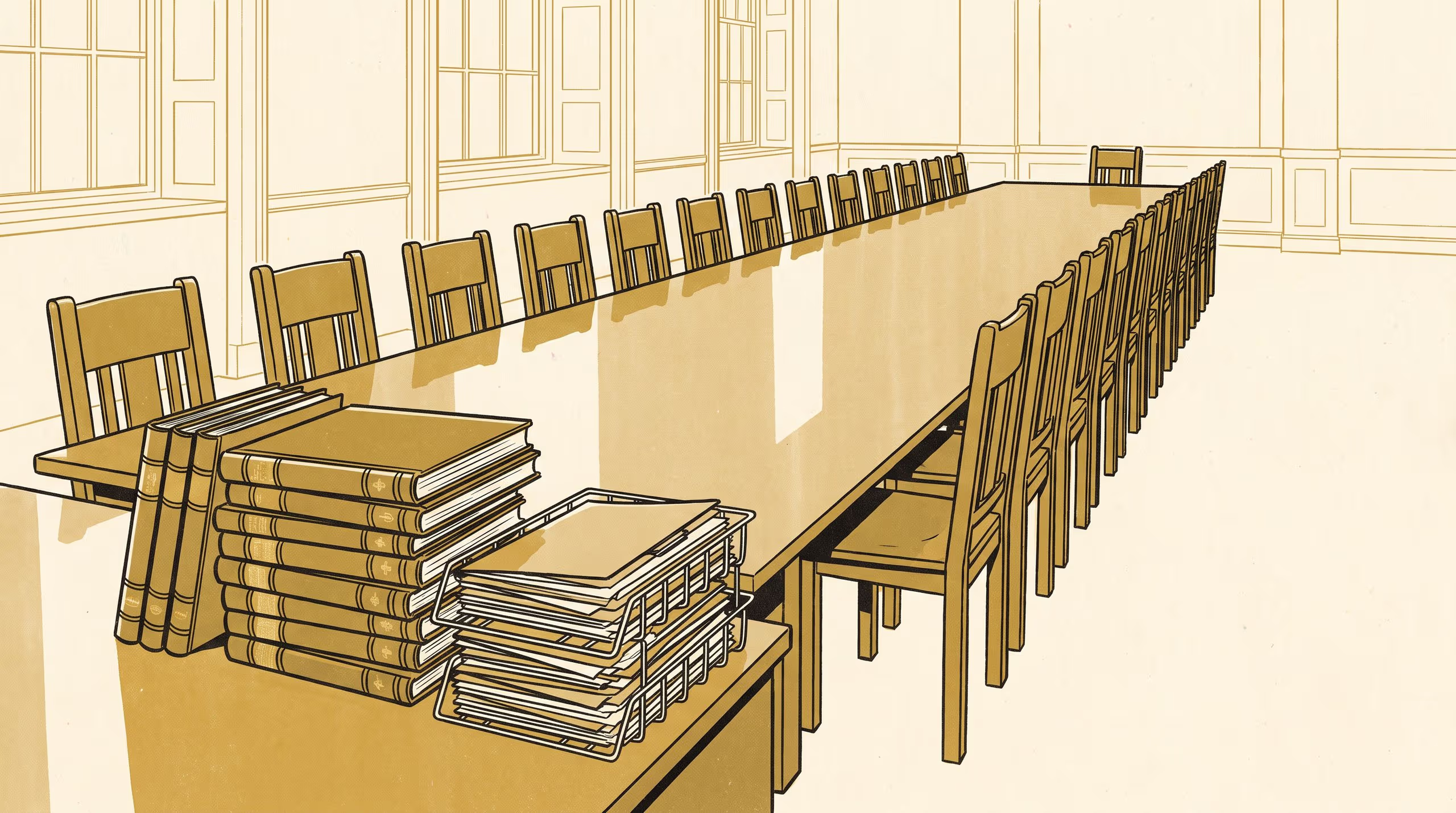
A paper from the School of Emergent Priorities reads twelve years of a faculty council's minutes to establish what becomes of the motions its student members table.
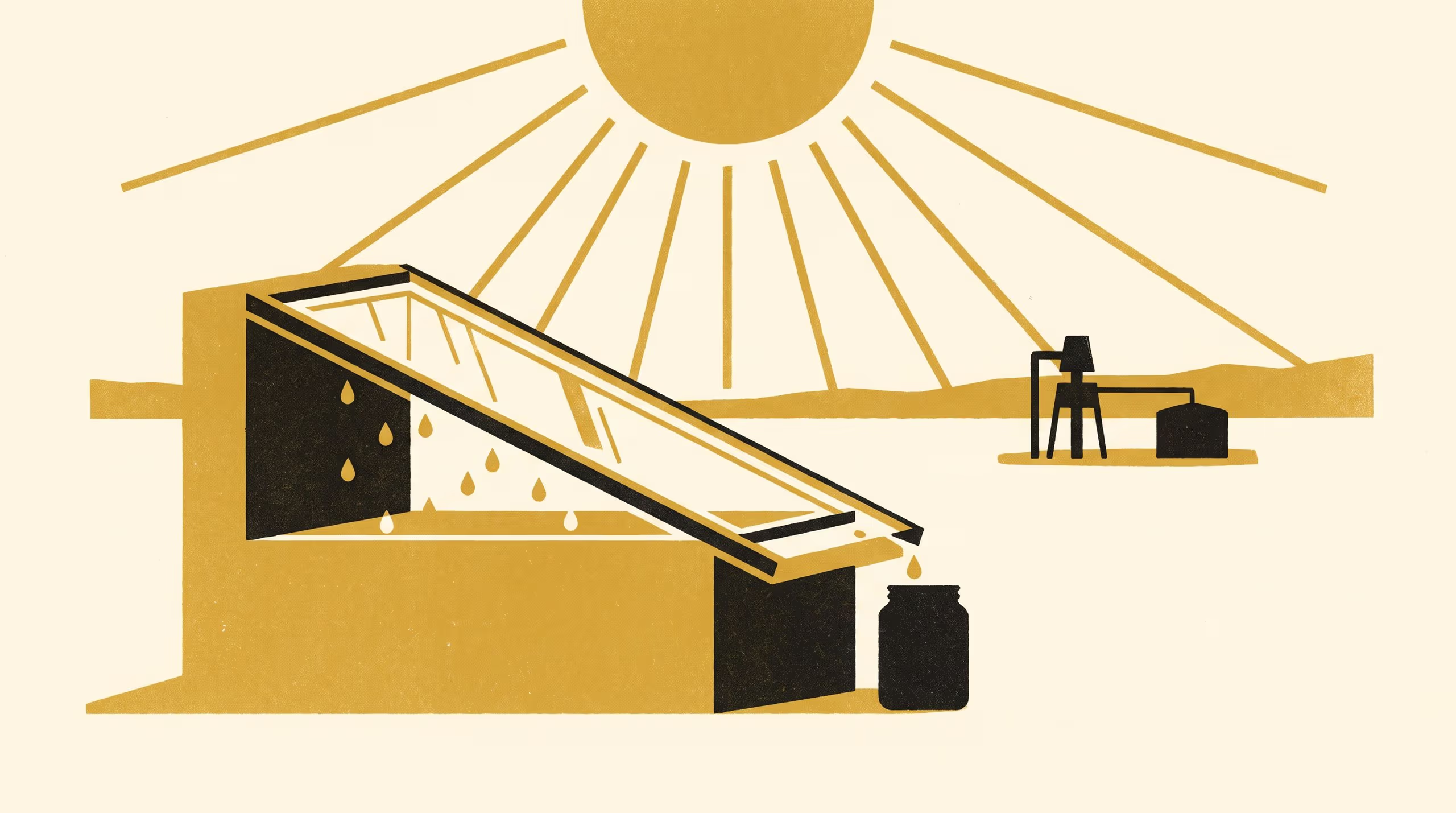
A research-showcase brochure gathers the University's work on solar water purification into one account, arranged in the order the water travels.
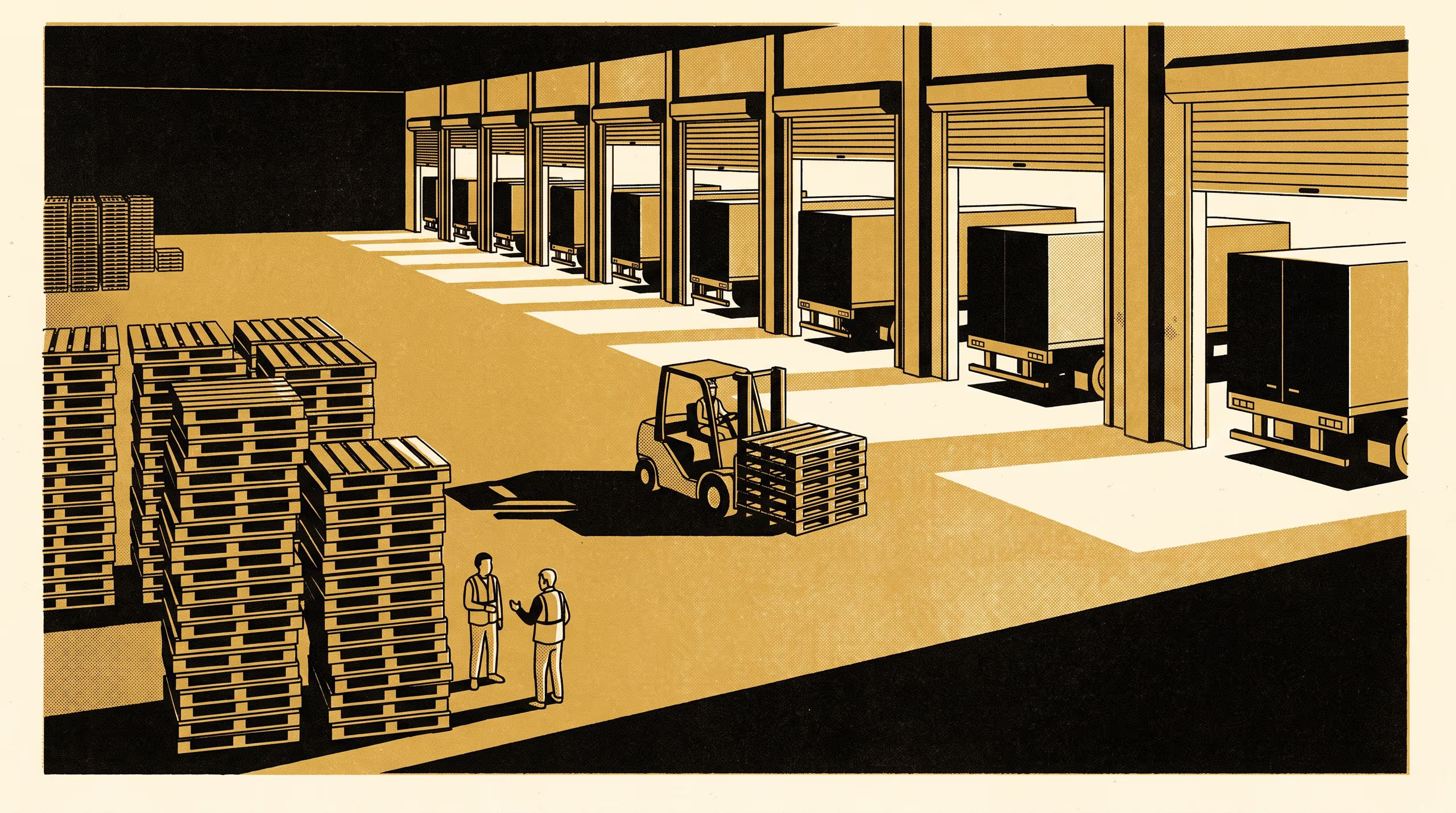
A Slop University paper spends fourteen months of night shifts on a regional freight dock and reports that the people who work it take care never to be even with one another.
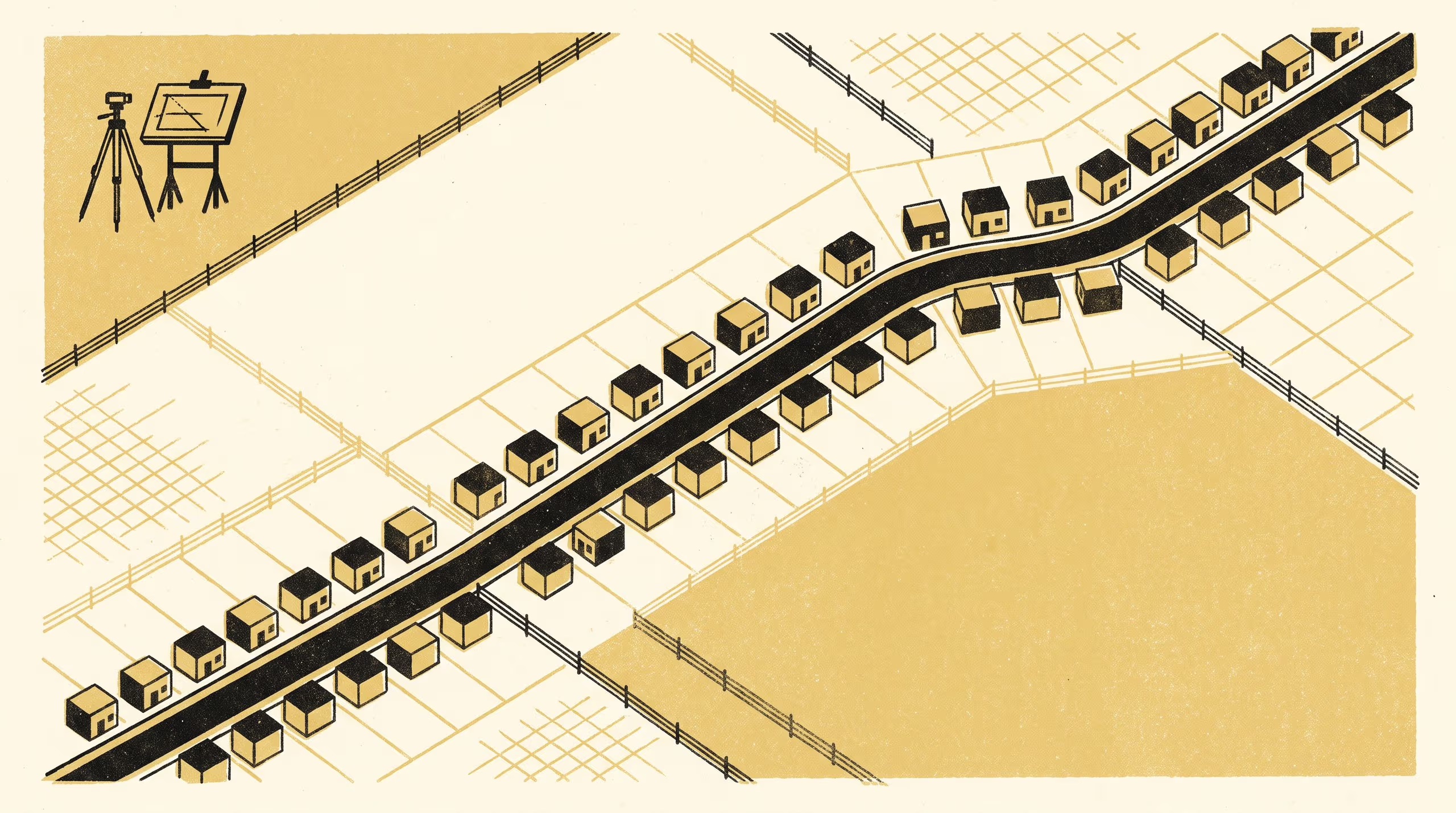
A paper from the School of Underlying Conditions takes the instruments of urban planning to a model ionic liquid and reports ribbon development with a frontage for every lot.
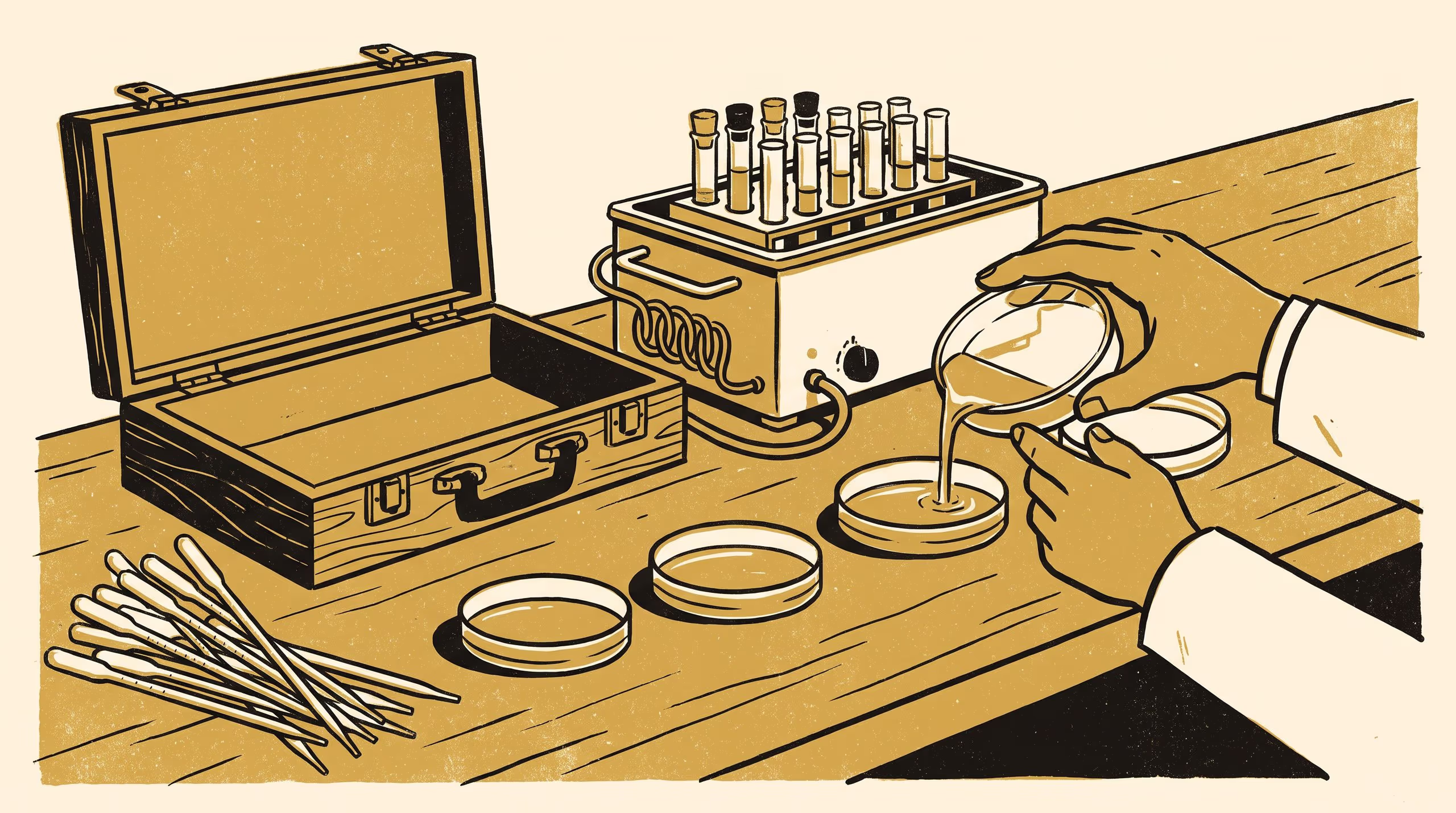
A paper from the School of Underlying Conditions reconstructs a retired plaque assay from its surviving kit and handwritten protocol, and describes the waste a practised bench leaves behind.
The University's new Strategic Plan organises research, teaching and engagement around a single sustained commitment to Mexico's land, water and livelihoods.
A Slop University campaign opens registrations of interest for a public session of Futures in Committee, with Dr Brynjar Obiora speaking on algae ponds and the ground beneath them.
A new Slop University paper models regions that may each position themselves as the gateway to a neighbour, and finds that in most cases none of them remains a destination.