Research-led, metrics-forward, and continuously improving. News from the Office of Research Outputs.
22 October 2026
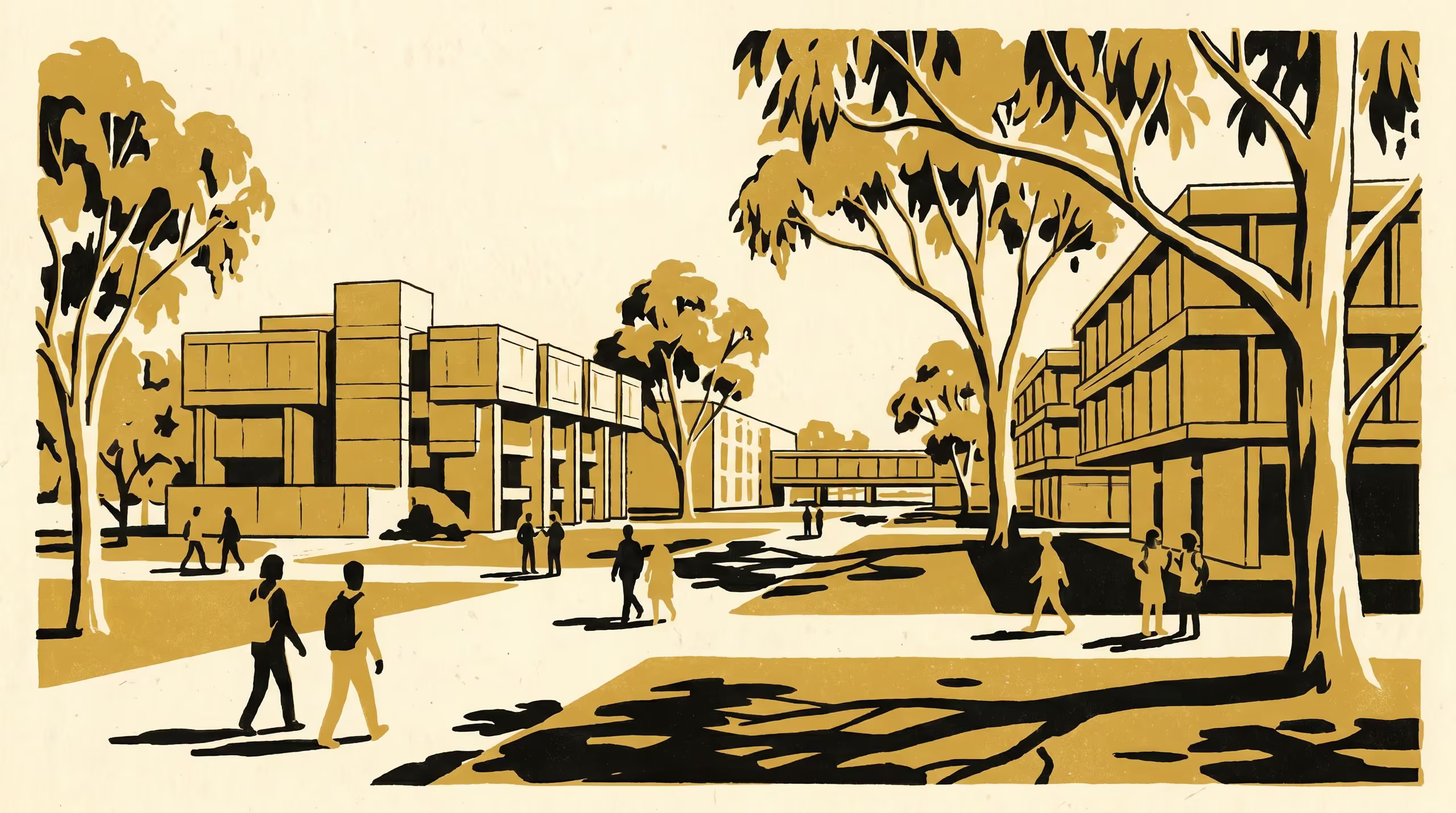
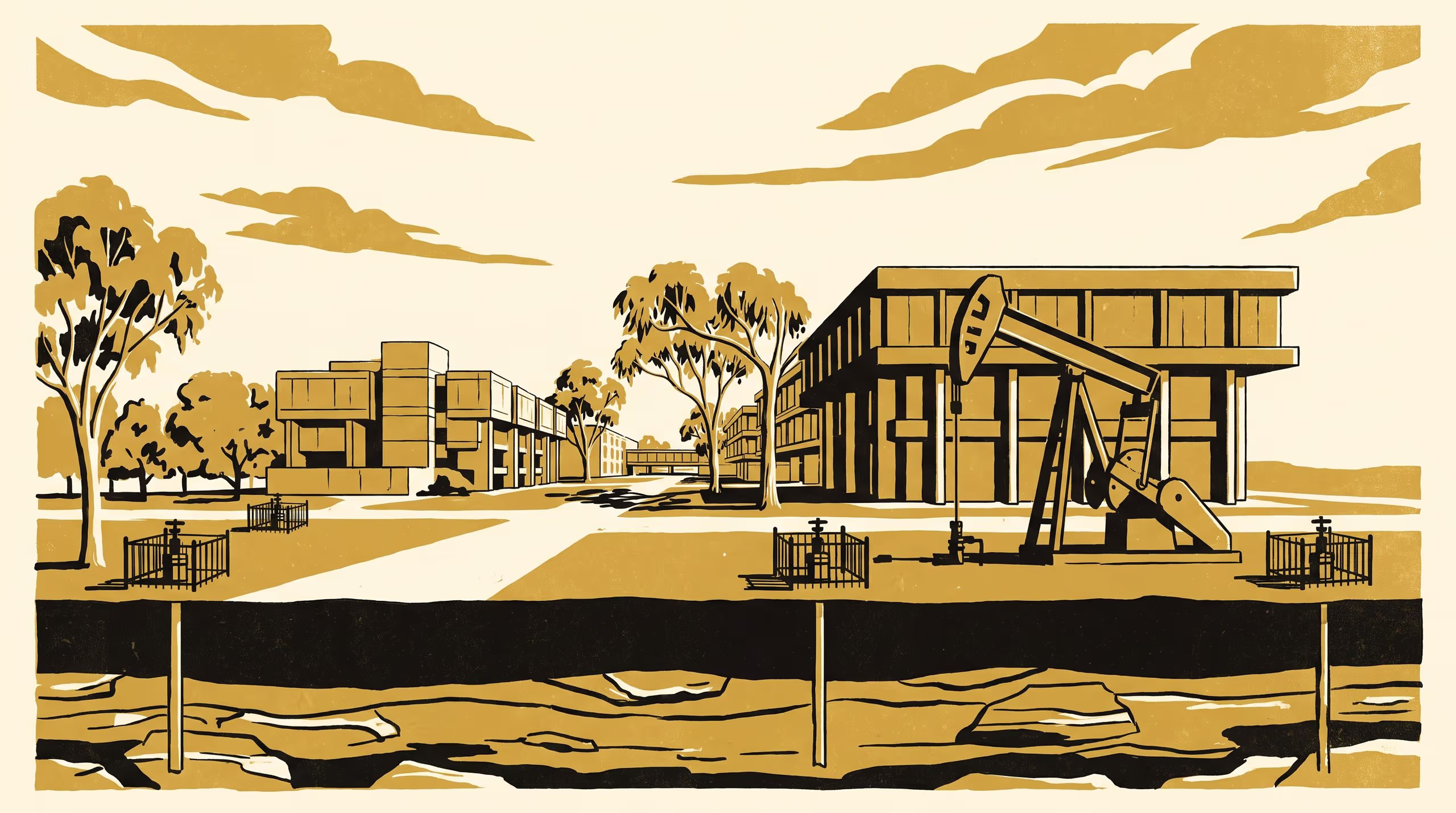
The University's Strategic Plan 2026-2031 treats the wells of the retired oil and gas field beneath its campus as research infrastructure, a teaching resource and a continuing obligation.
A new research poster maps the fluorescent tubes left in an older city centre's basements after LED retrofit, and asks where a recovery depot would actually reach them.
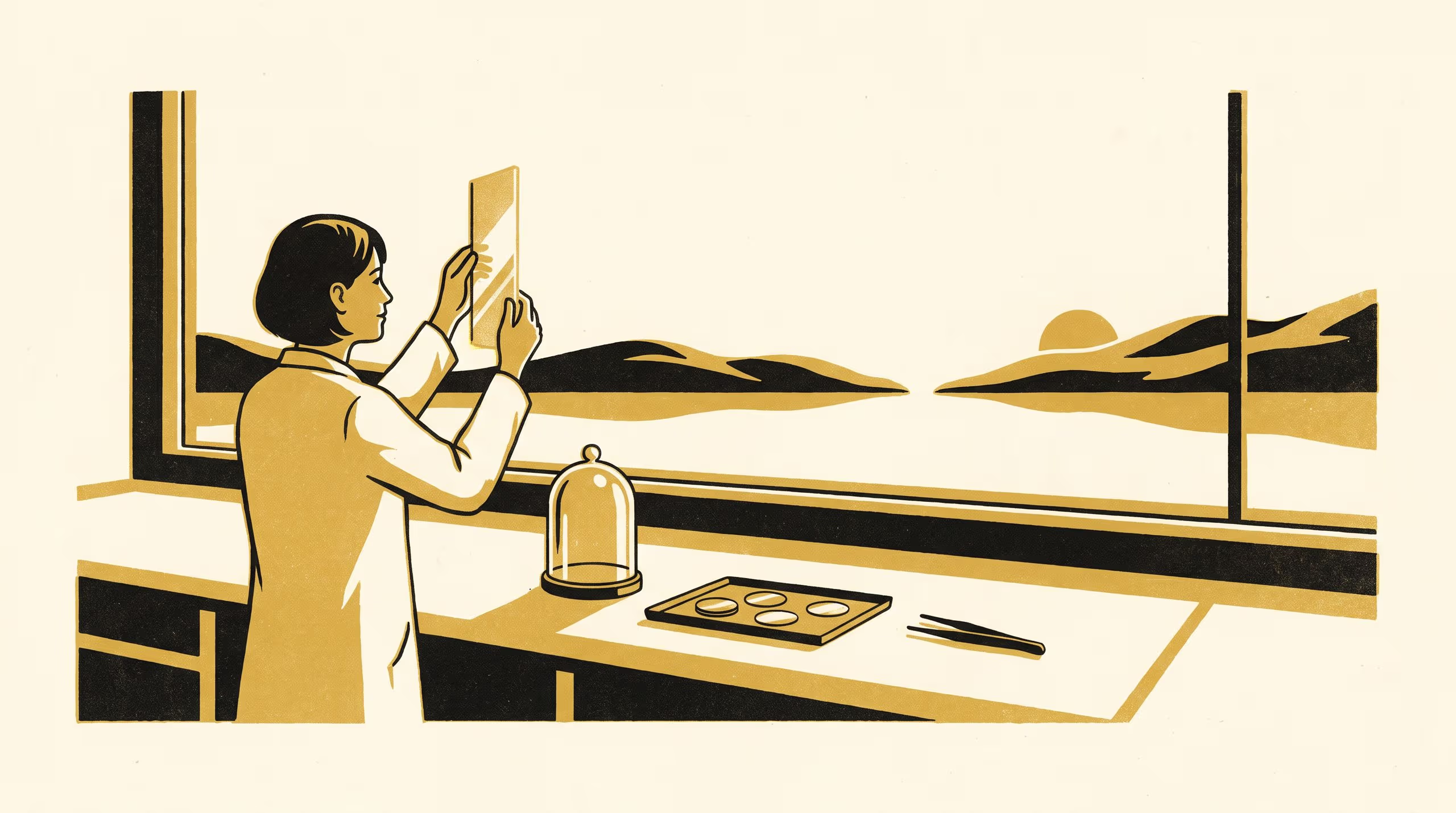
A new display campaign for the Master of Priority Studies invites prospective students to learn the School of Emergent Priorities' craft of noticing what is about to matter, with gallium oxide as its example.
A new research poster shows how a remote exploration camp's shared private network can keep its drilling record intact through the busiest hours of the day.
A paper from the School of Emergent Priorities follows how a due-diligence team draws a client's corporate group, and finds the slide's capacity deciding which entities are examined.
21 October 2026
A paper from the School of Emergent Priorities finds that residents at captioned council information sessions wait for the presenter's words to appear on screen before asking their questions.
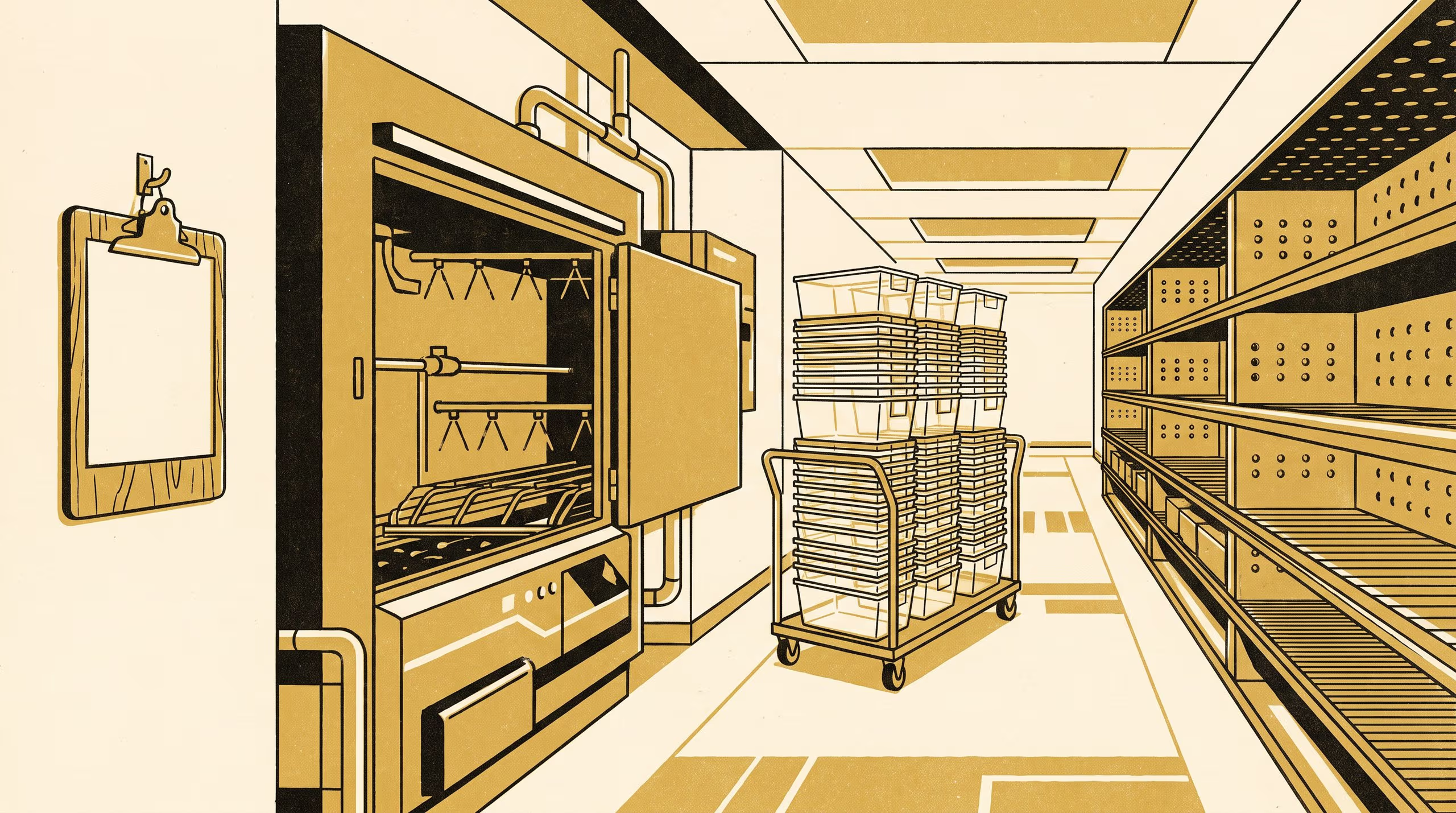
A paper from the School of Continuous Improvement links a facility's operational incident log to eleven birth years of a NOD mouse colony and finds that only two changes, a relocation and a cage-wash outage, coincided with shifts in autoimmune diabetes onset.
The School of Continuous Improvement's Impact Report 2021–2026 gathers five years of work with collaborators on how organisations rate, record and argue about hazards that have not yet happened.
A paper from the School of Continuous Improvement and the School of Underlying Conditions follows two years of ships waiting off a dry-bulk terminal, and the night-time air of the small town downwind, before and during a trial of planned berthing windows.
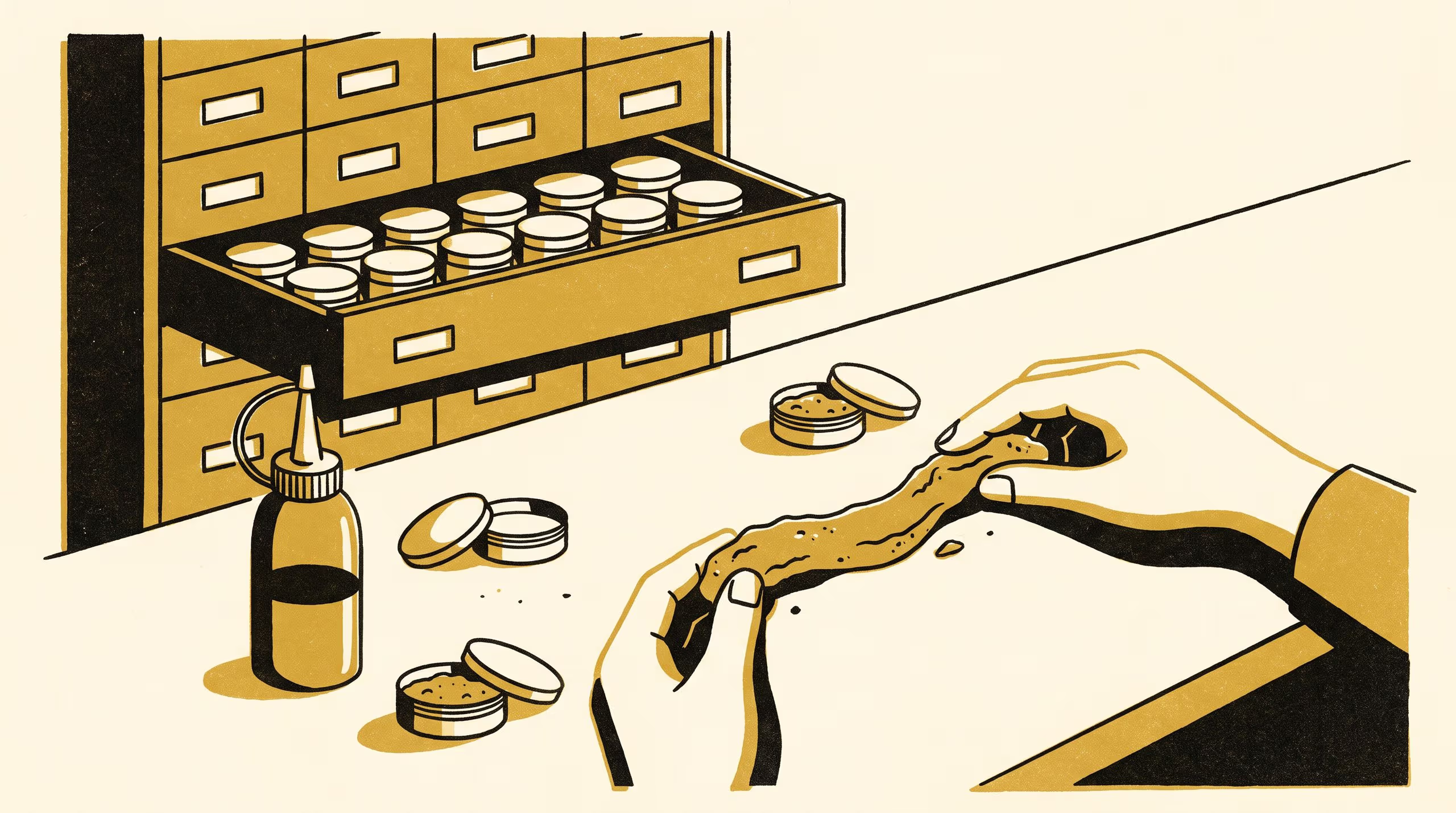
A paper from the School of Underlying Conditions finds that trainee soil surveyors who practise hand-texturing with the texture classes mixed retain their estimates better than those who practise one class at a time.
A paper from the School of Continuous Improvement turns 36 fortnightly collections of shredded records into a hydrogen-rich gas, and finds that the glossy share of each batch decides how well, and for how long, the reactor runs.
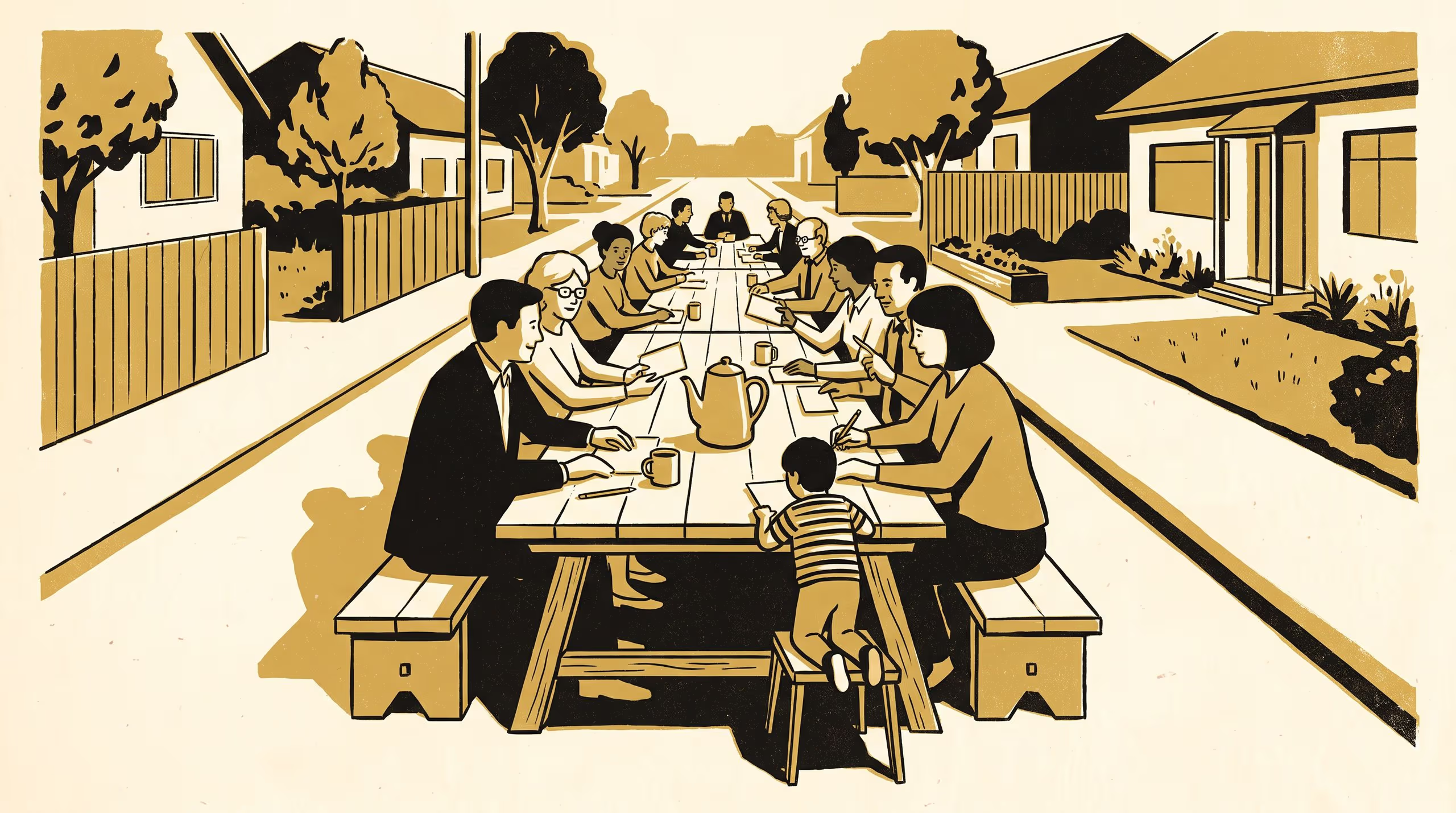
A new Slop University brochure asks the households, halls and shops around the University to bring their questions and help answer them, across living labs in all three Schools.