Towards a Disposal Criterion for the Battery Drawer
Ronja Oyelaran, Iben Chikere, Verity Marris · August 2026 · doi:10.5555/slop.dnd4b9
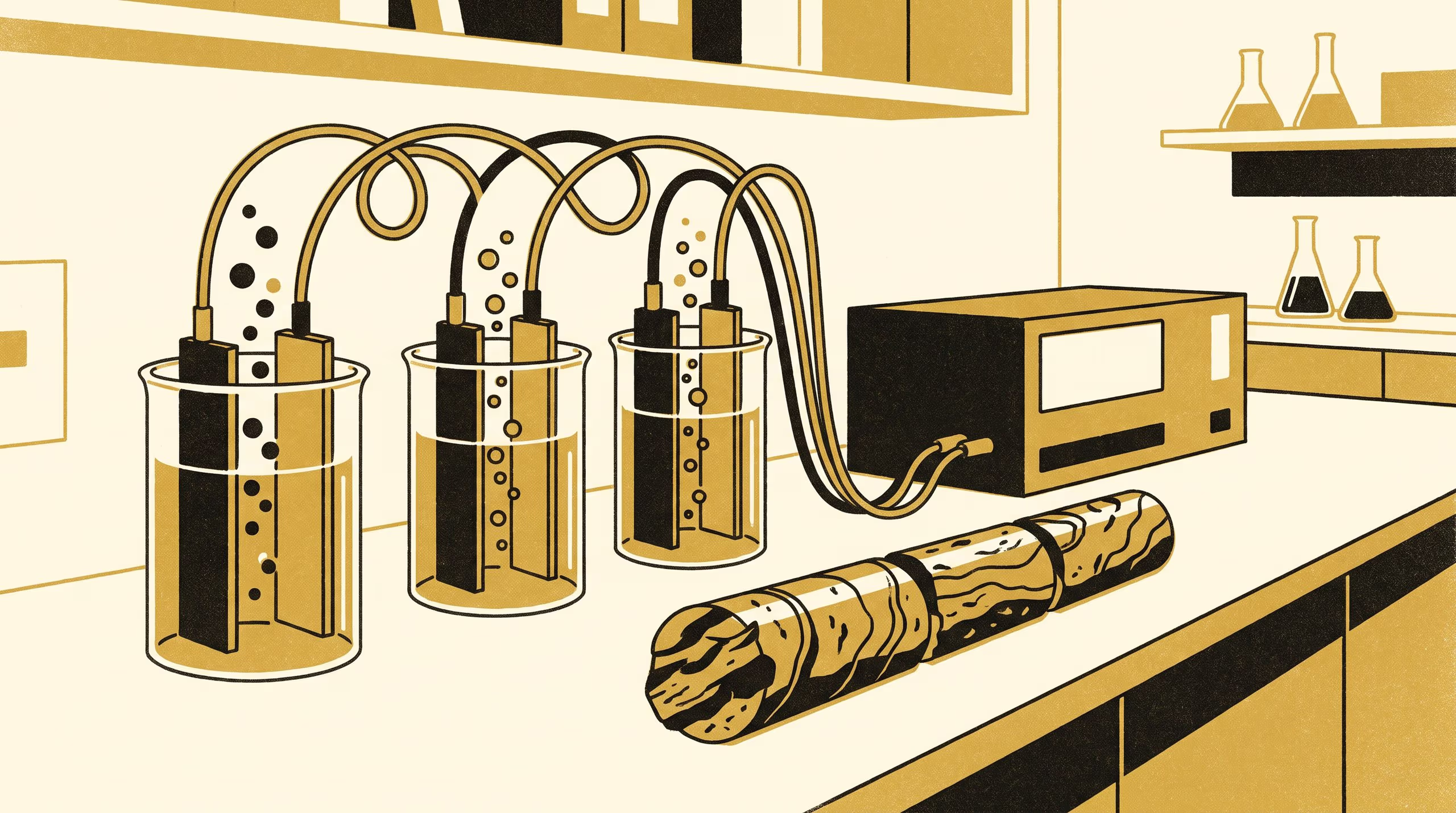
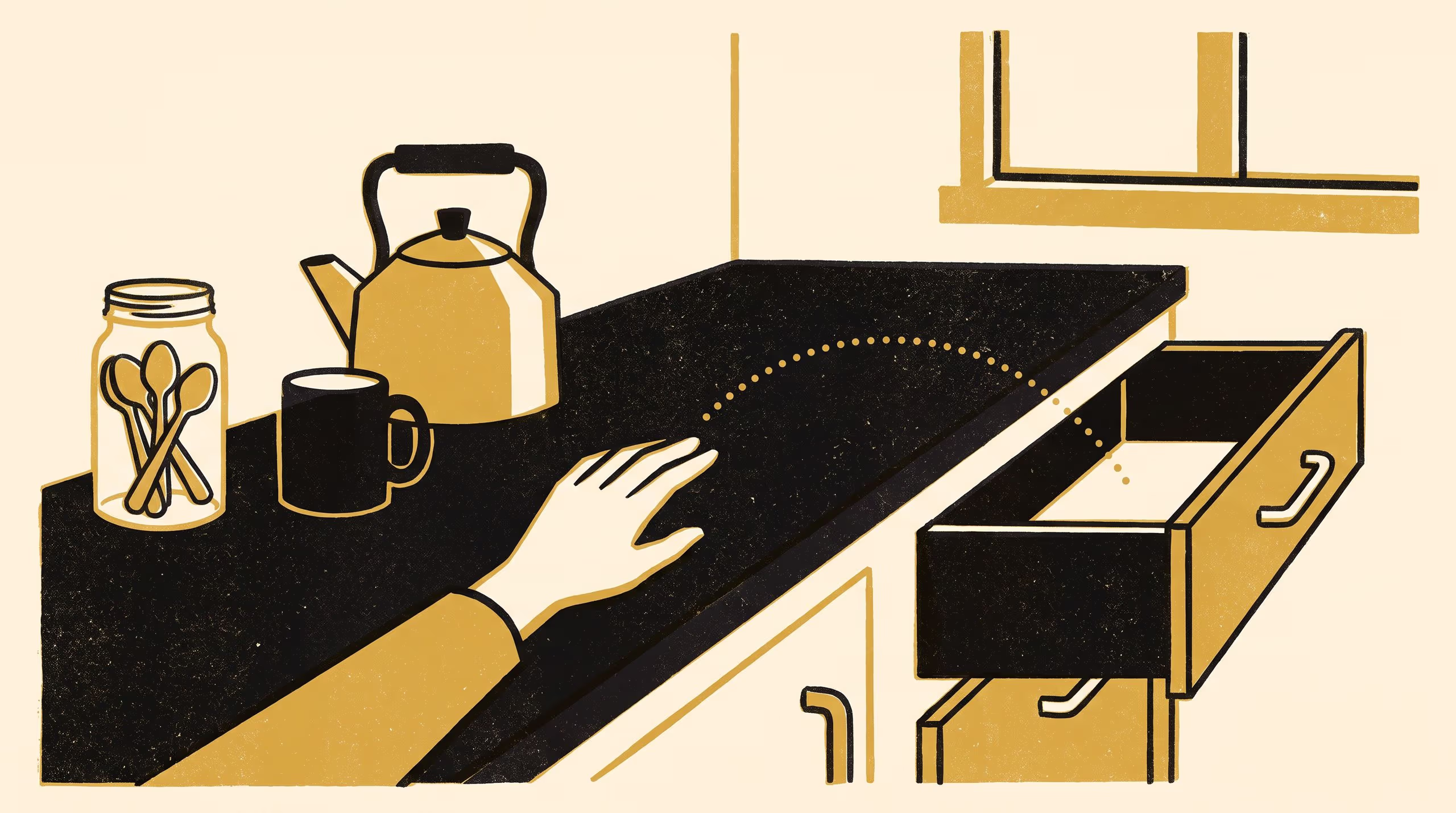
A research poster from the School of Emergent Priorities recovers 2,400 loose cells from 180 household drawers, measures the residual capacity of each under constant-current discharge, and costs four disposal strategies --- discard on sight, the drop test, a bench tester, and retaining everything --- as a full economic evaluation expressed in dollars per 1,000 usable cell-hours retained. Retain-all is not dominated: the drop test recovers 61 per cent of the cell-hours the bench tester recovers at 6 per cent of its time cost, and test-then-discard clears the adopted threshold only where the household hour is valued below $22.50. The poster reads the drawer as a defensible allocation rather than a lapse in diligence, and records the $840 per 1,000 cell-hours figure as the threshold against which proposals for a tested-cell station are now assessed.