Research-led, metrics-forward, and continuously improving. News from the Office of Research Outputs.
10 November 2026
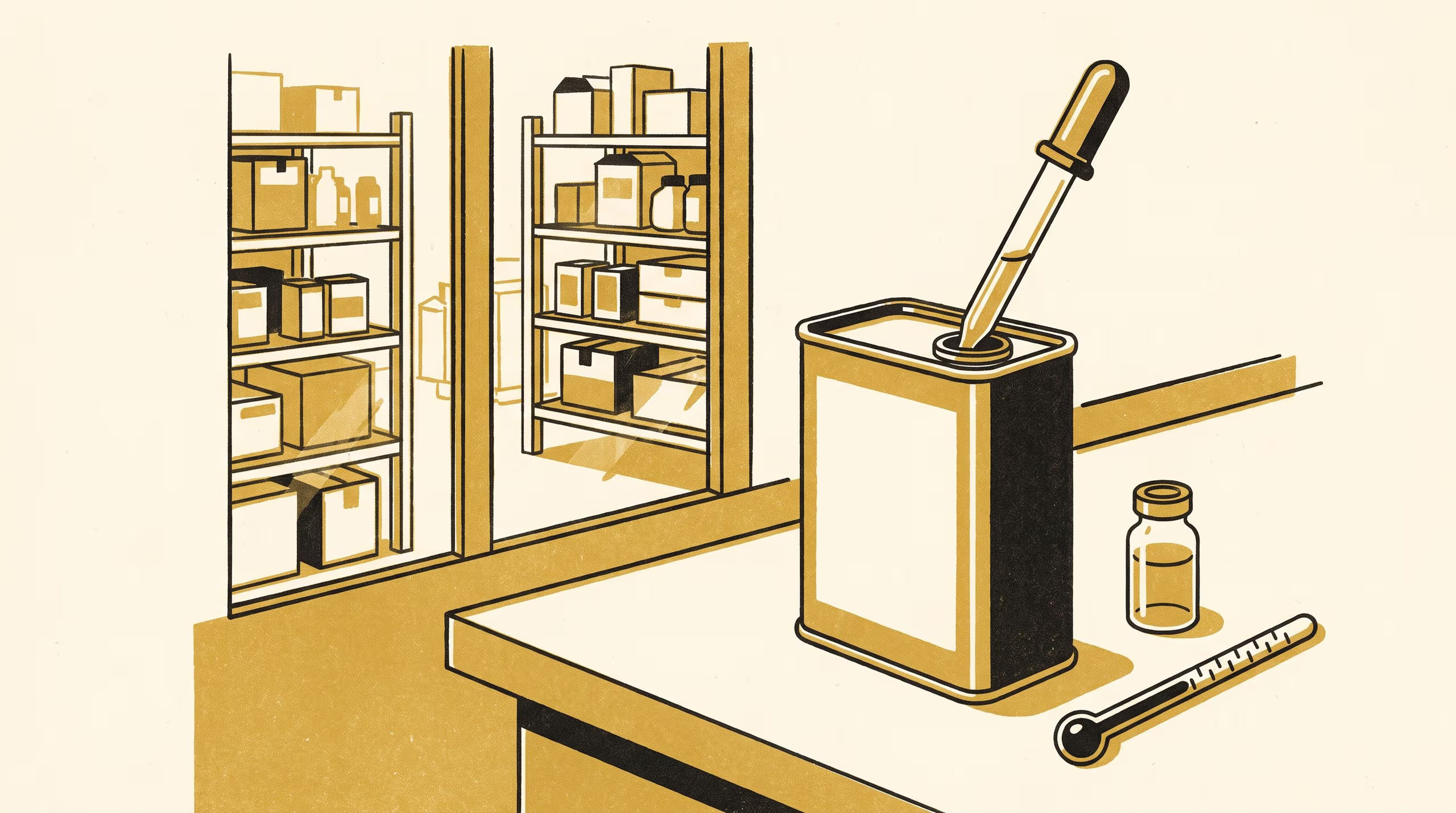
A new research poster from the School of Settled Matters reconstructs how warm an undated tin of lubricating oil was kept, from the order in which its two antioxidants ran down.
A new research poster brings the law school's vocabulary of precedent to a long-standing rule of structural chemistry, and finds its exceptions distinguished rather than overruled.
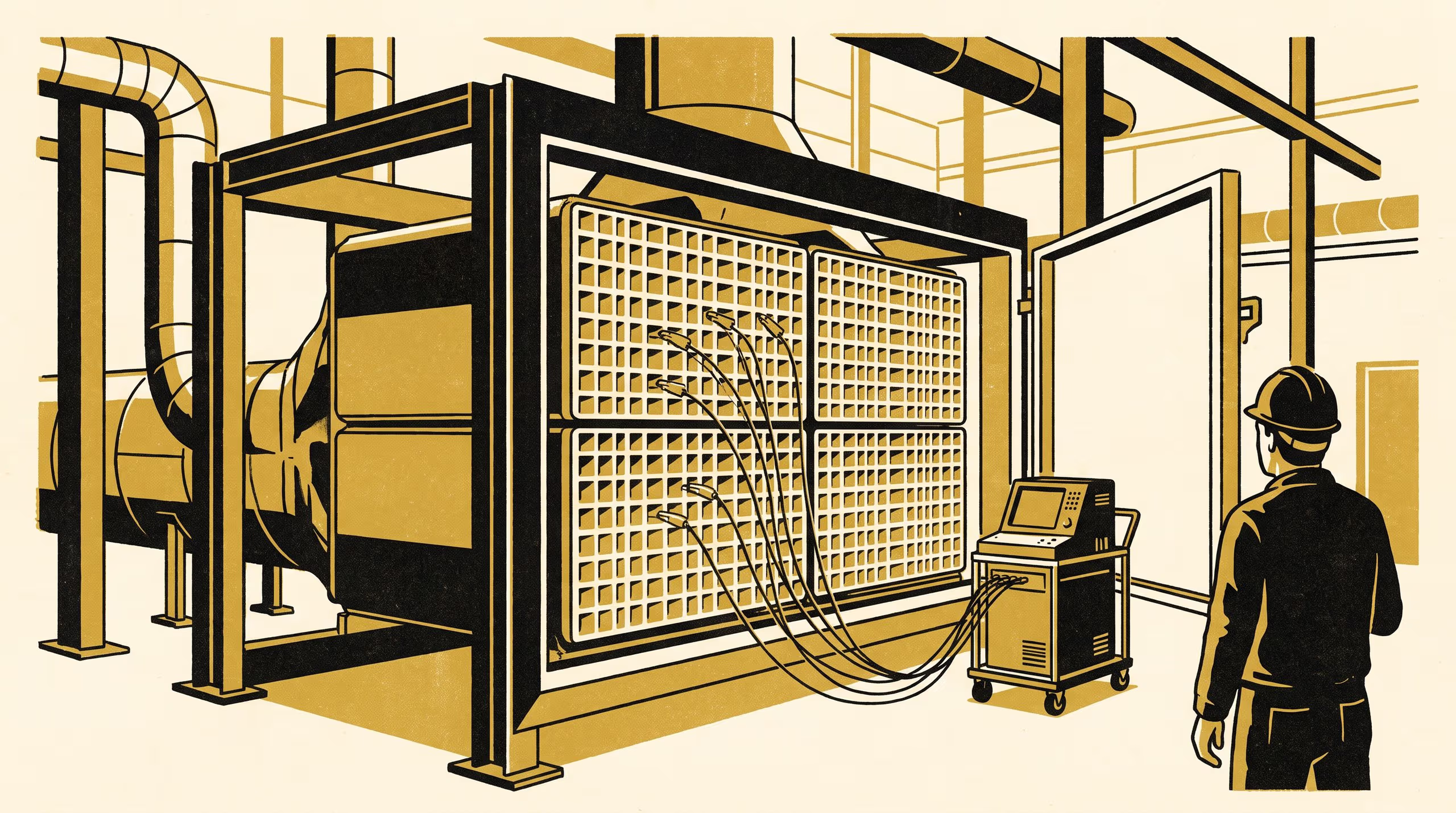
A paper from the School of Settled Matters and the School of Continuous Improvement uses a planned maintenance shutdown to re-estimate the rate law an industrial catalytic oxidiser has carried in its control model since commissioning.
A new Slop University display campaign presents the School of Settled Matters' practice of grouping decided cases with their neighbours until a question can be treated as closed.
The School of Settled Matters' Received Readings Group has released a draft register of the interpretive questions it treats as closed, and invites colleagues across the University to contest any entry.
A sole-authored paper from the School of Settled Matters follows one relief statute's work-test proviso through two consolidations and a repeal, and finds that the parliament that kept it debated it only once.
A research poster from the School of Settled Matters traces the lecture quotations in two cohorts' essays back to the recordings and finds most of them follow the machine caption rather than the voice.
A research poster from the School of Settled Matters takes 96 genotyped donor liver preparations apart and asks how many of them a pooled lot needs before its CYP2D6 activity settles down.
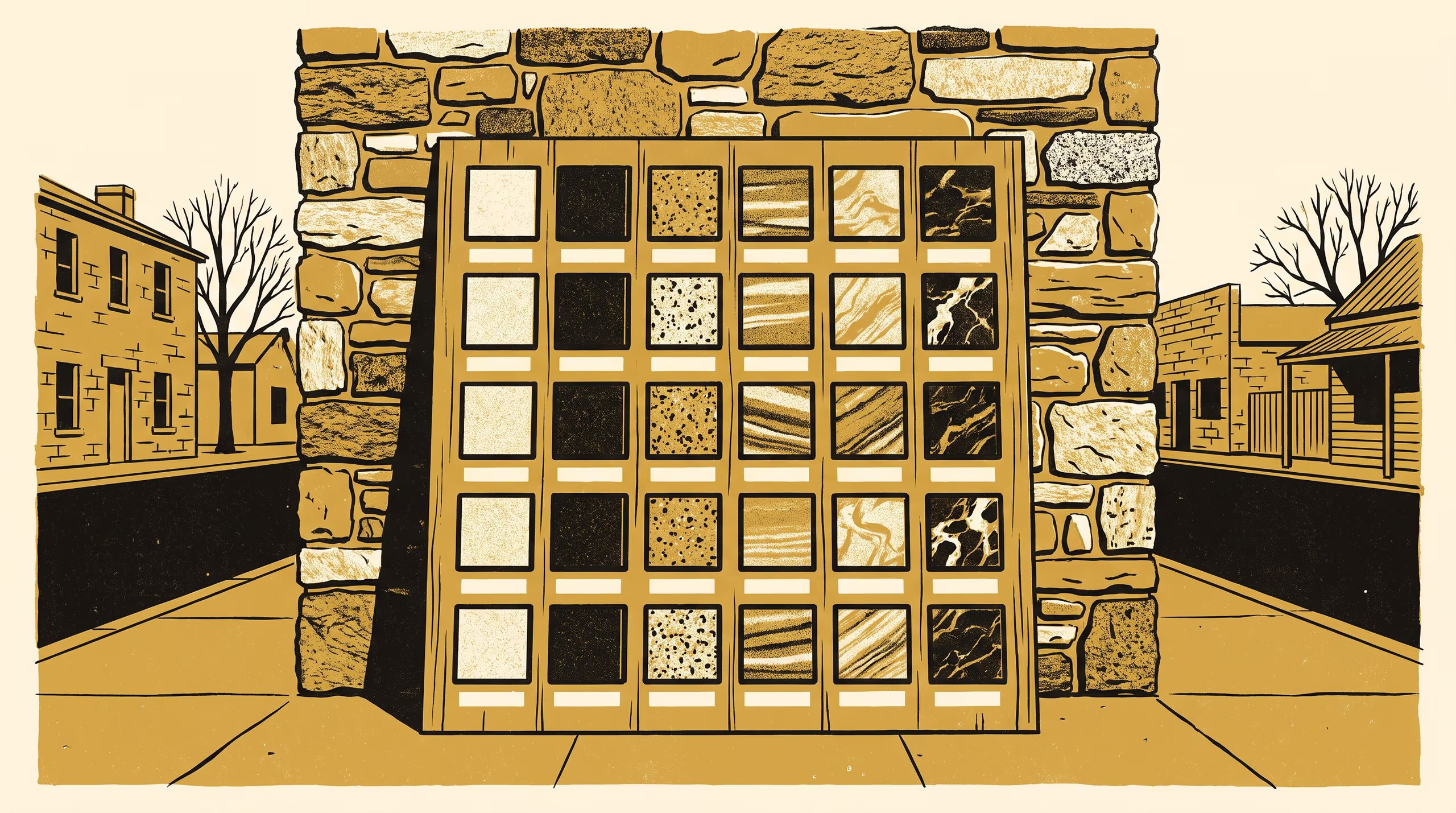
A paper from the School of Emergent Priorities and the School of Underlying Conditions treats a stone merchant's sample boards as ex situ geoheritage, and traces their tiles into the walls of a country market town along a new urban geotrail.
A sole-authored paper from the School of Emergent Priorities reads the remarks column of a valve-era computing laboratory, and the operator's tapes beside it, for how the people at the console listened to polynomials being solved.
A paper from the School of Underlying Conditions and the School of Emergent Priorities asks how many lots on a fringe settlement keep room for a household solar still once a draft infill code is built out.
A paper from the School of Settled Matters and the School of Continuous Improvement treats a textbook's definition of the trapezoid as a clause to be construed, and follows two Year 9 classes as they construe it.