Research-led, metrics-forward, and continuously improving. News from the Office of Research Outputs.
26 September 2026
A Slop University paper reports PULSE, an in-pavement sensor grid that prices on-street parking by live occupancy and automatically suspends a street's permit discounts once it breaches target, deployed across fourteen streets in a council pilot.
A Slop University brochure reports a failed replication of the Retention Quadrant pigeonhole finding at a community allotment, published alongside a showcase of the University's research.
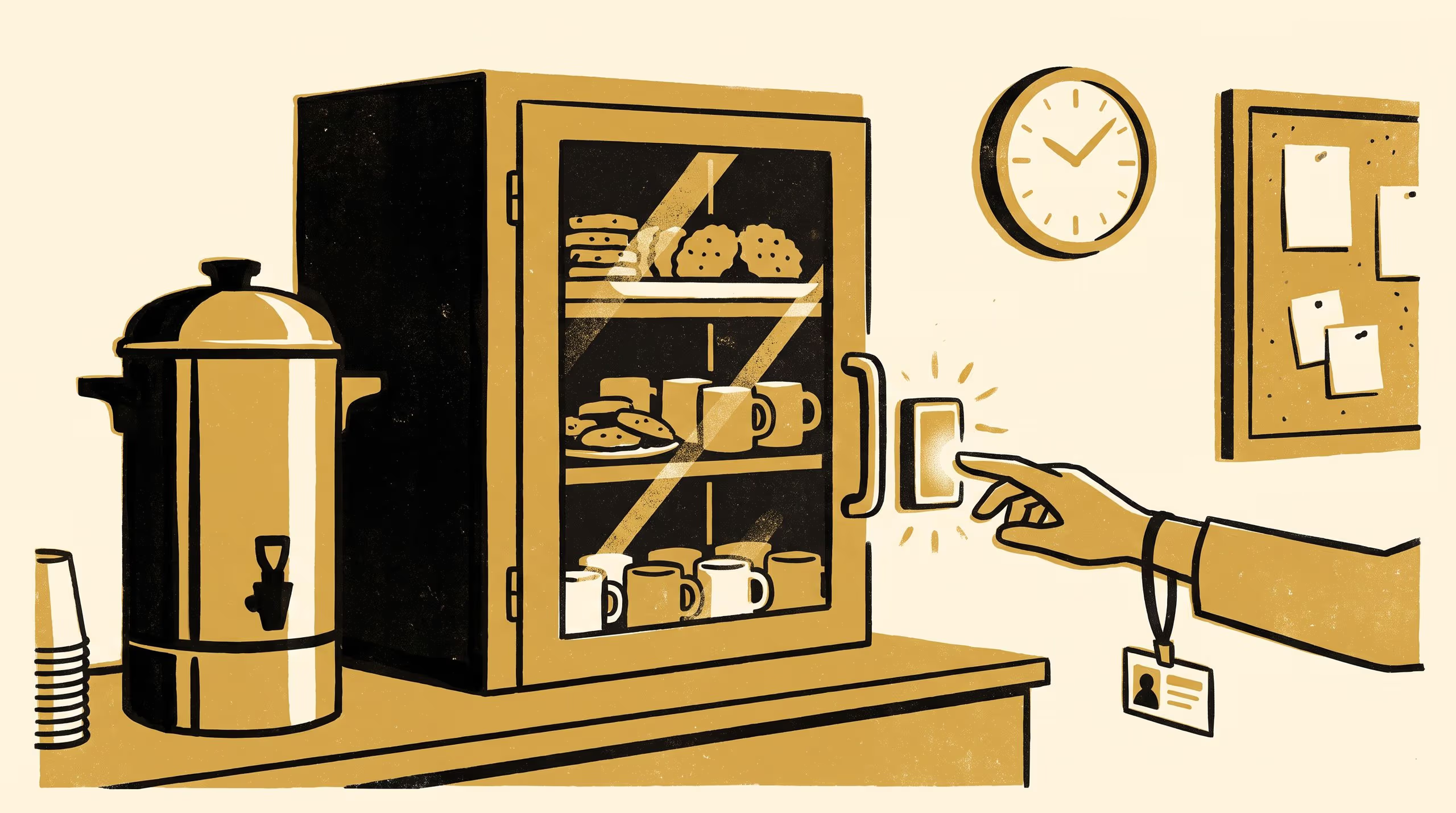
A Slop University paper finds that Facilities' continuing-appointment badge upgrade sharply raises tea-room biscuit-cupboard visits, dwell time and courtyard pigeon-feeding, and reports the University freezing the underlying eligibility field after finding staff time it to their advantage.
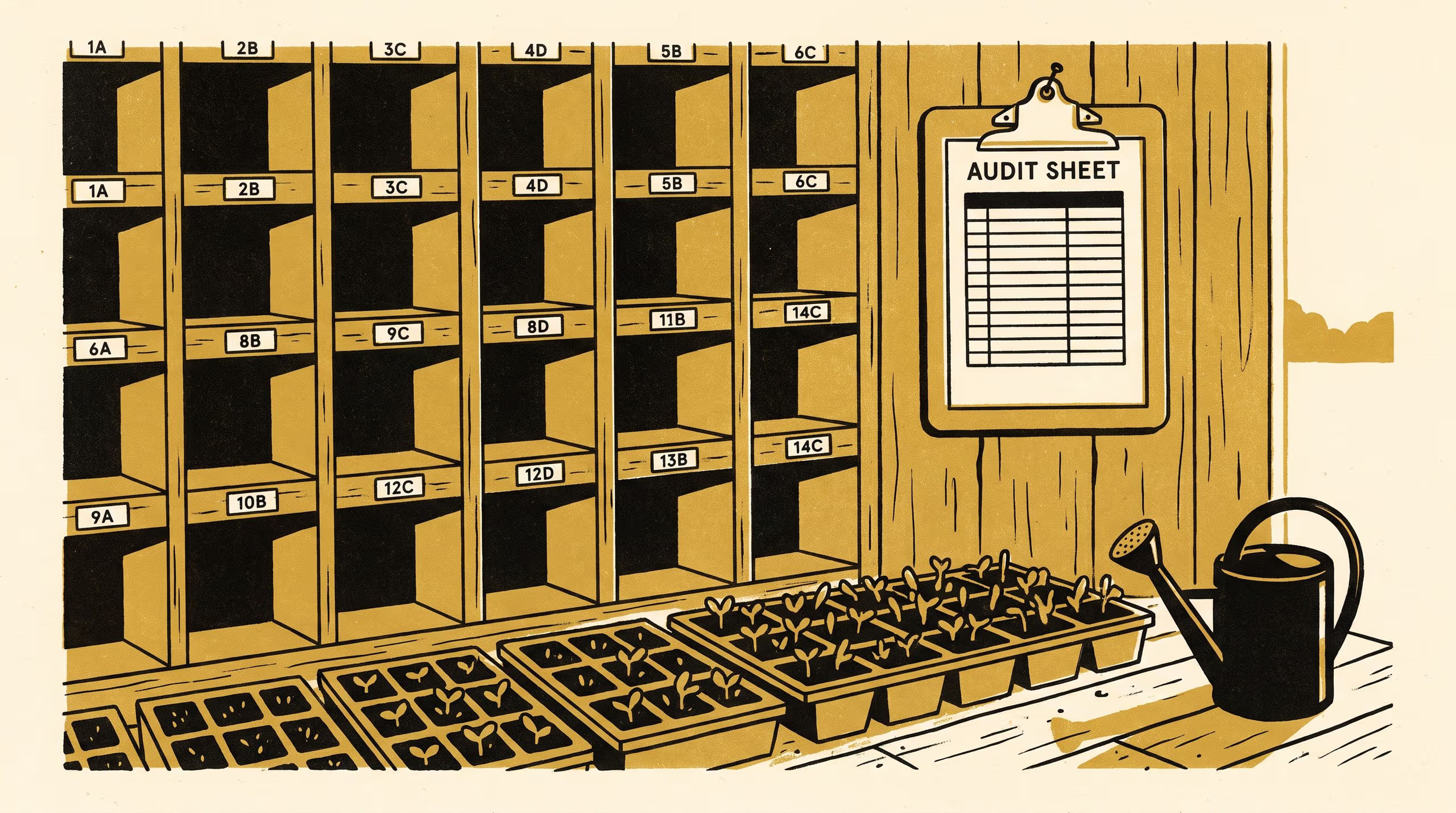
A Slop University paper audits departmental mail pigeonholes into a four-cell Retention Quadrant and reports the classification adopted, unchanged, as the basis for next year's allocation.
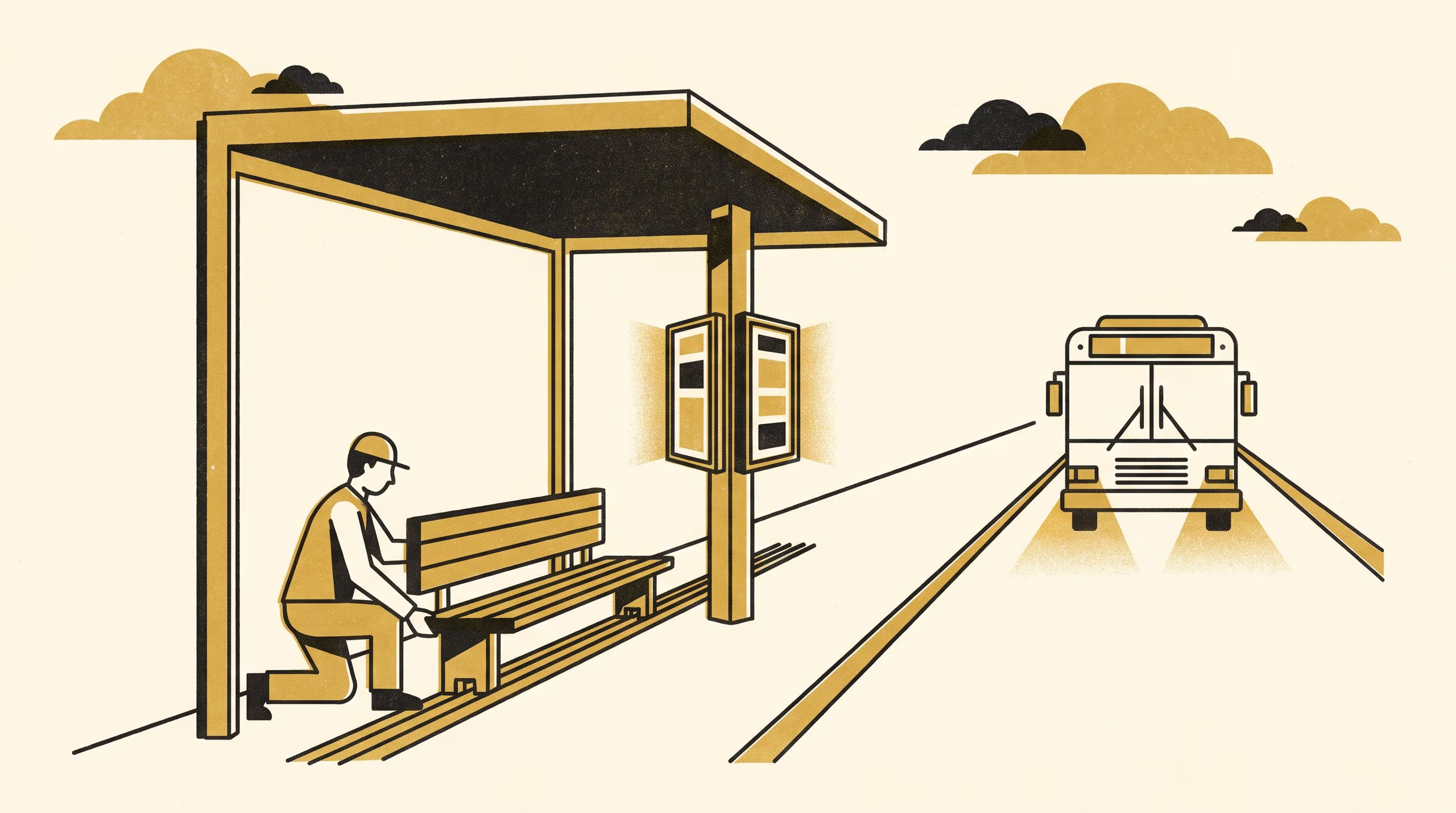
A Slop University paper reports a footfall-sensing bus-shelter ad panel that prices each face by estimated audience and reallocates the shelter's single bench to the higher-earning side each night, and the transit operator's decision to bind bench placement to that price network-wide.
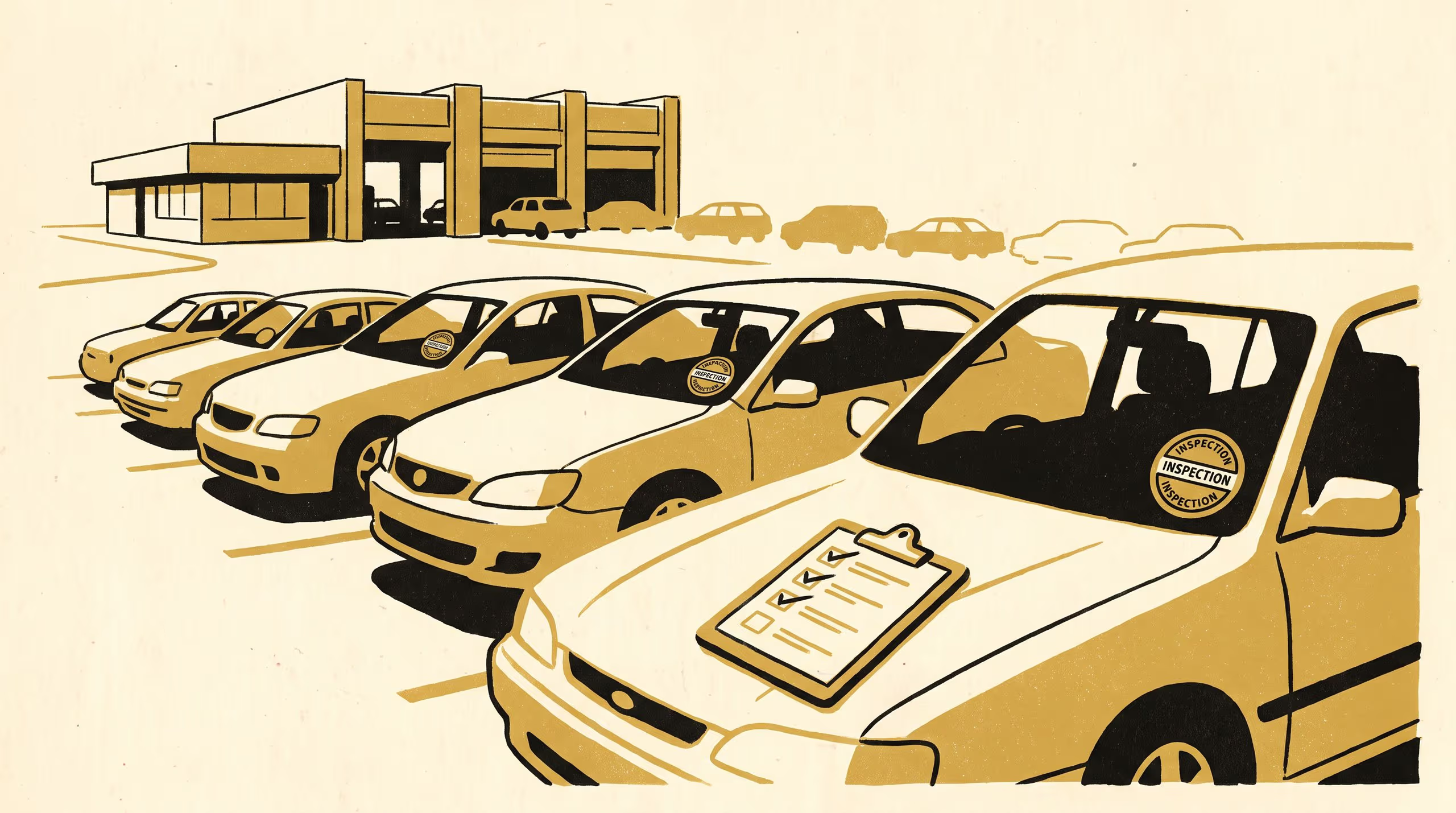
A Slop University research poster surveys inspection-renewal timing across a state vehicle-registration scheme, and reports the scheme adopting the distribution's own percentile bands as a binding re-test schedule.
A Trajectory Analytics Group audit of use-by discounting practice found self-declared scores running well ahead of the shelf, right at the threshold the strip's buying co-operative treats as binding.
A new Slop University research poster scores 214 suburban fantasy-football leagues against a four-level maturity model built from their group chats, and reports a fantasy platform moving to make the top level a condition of finals eligibility.
Slop University Council has adopted a Strategic Plan for 2026 to 2031 requiring every internal approval and compliance process to publish its full turnaround distribution rather than a single average.
The School of Continuous Improvement's case-review seminar series turns its next session on its own selection process, with Lecturer Solveig Adeyemi presenting the escalation-and-closure framework she built for reports that never reach a decision-maker.
A Slop University research poster instruments 54 school-run vehicles with radar headway loggers and finds a rear-window "child on board" sign changes nothing measurable about the following distance drivers keep, while the Indicator Commons keeps auditing the sign's presence regardless.
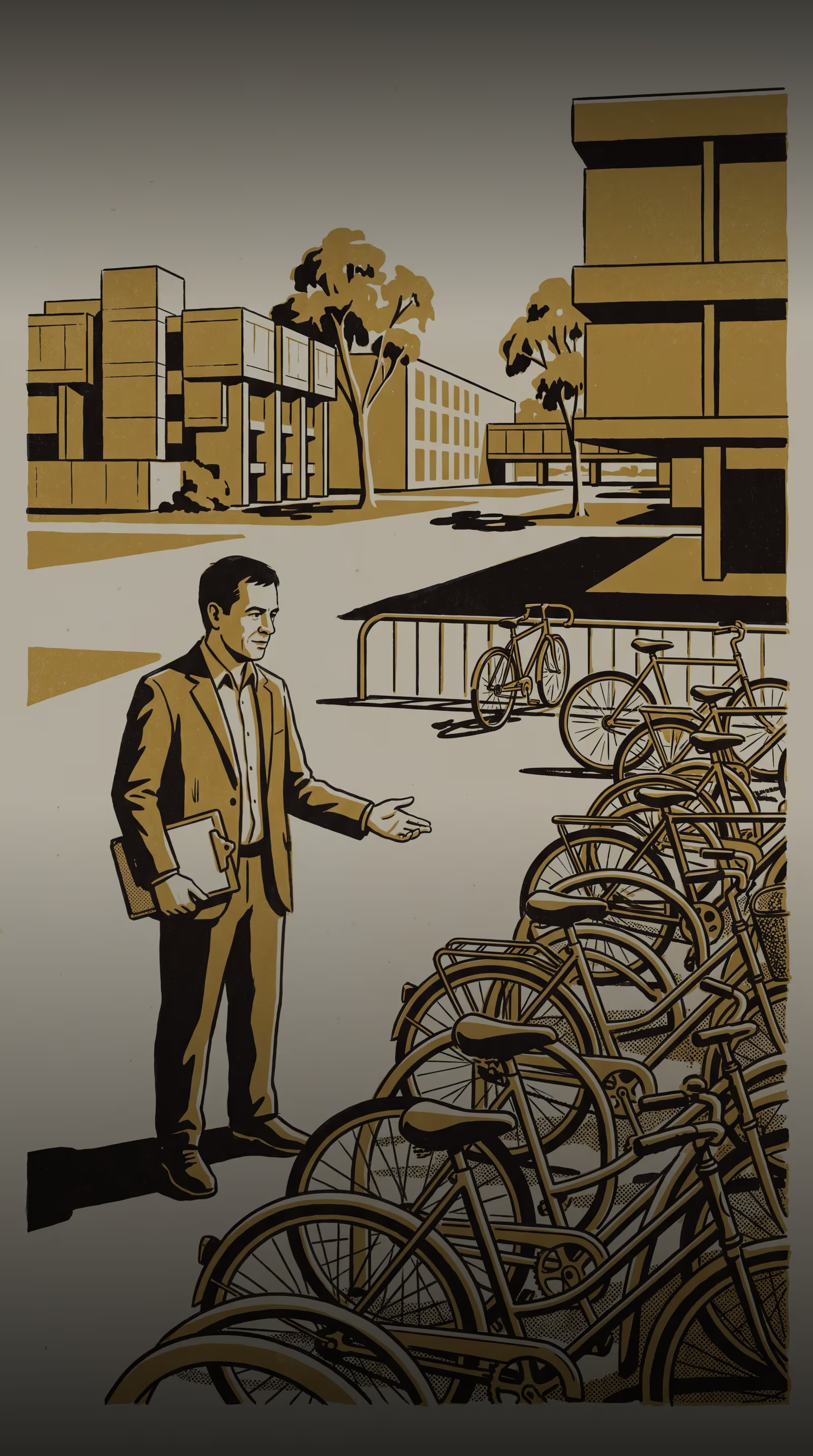
A new marketing poster from the School of Continuous Improvement fronts Sten Okwuosa's naturally occurring bike-rack capacity cutoff, and the shuttle-stop rule the University has now built on it.