Research-led, metrics-forward, and continuously improving. News from the Office of Research Outputs.
28 July 2026
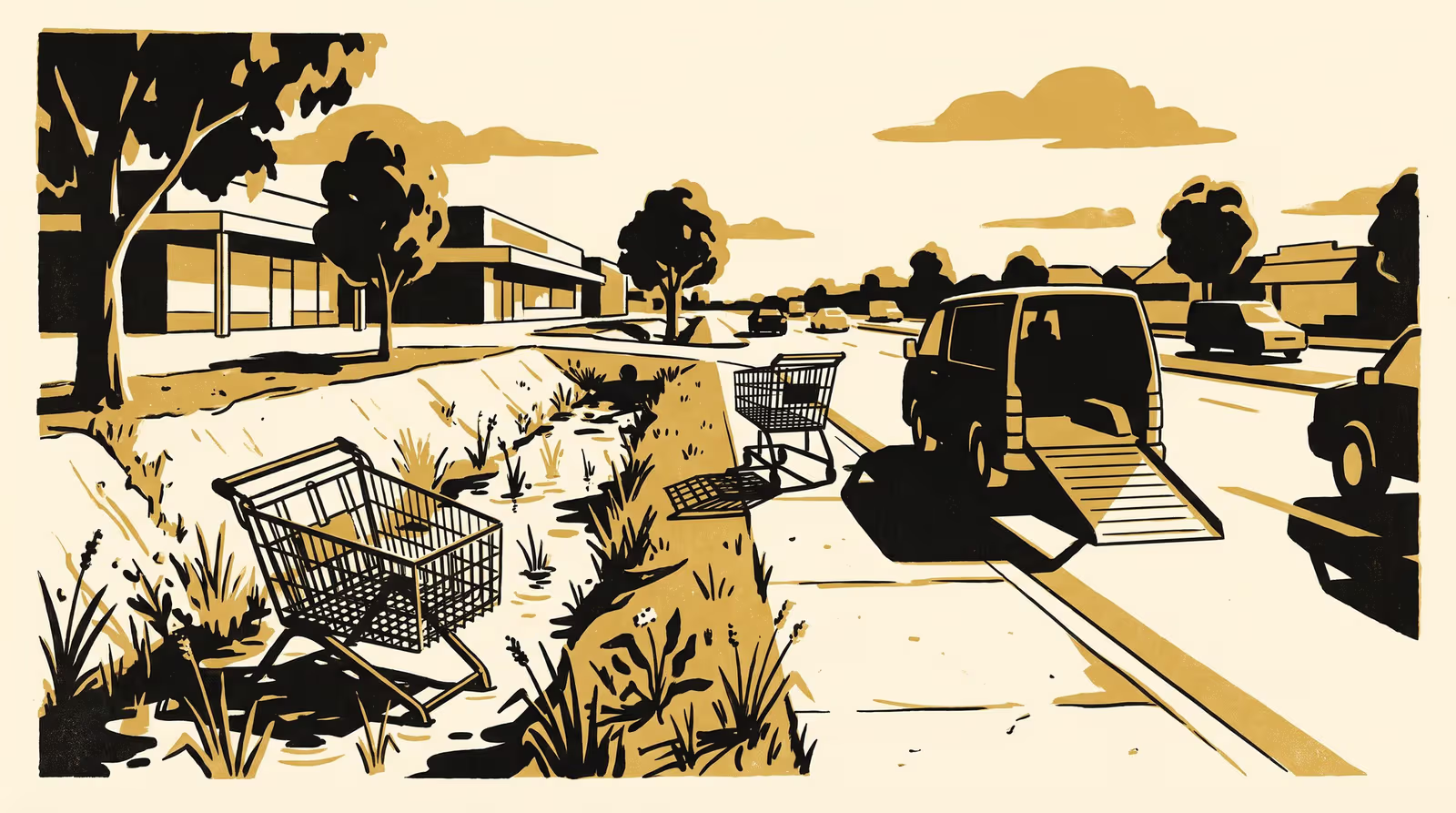
A new Slop University paper reports an eighteen-week deployment of a dispatch service that ranks stray supermarket trolleys by how readily each is seen from the road, cutting exposure-weighted collection time from 58.4 hours to 9.0 while the share of reports still open at study close rose from 0.4 to 6.1 per cent.
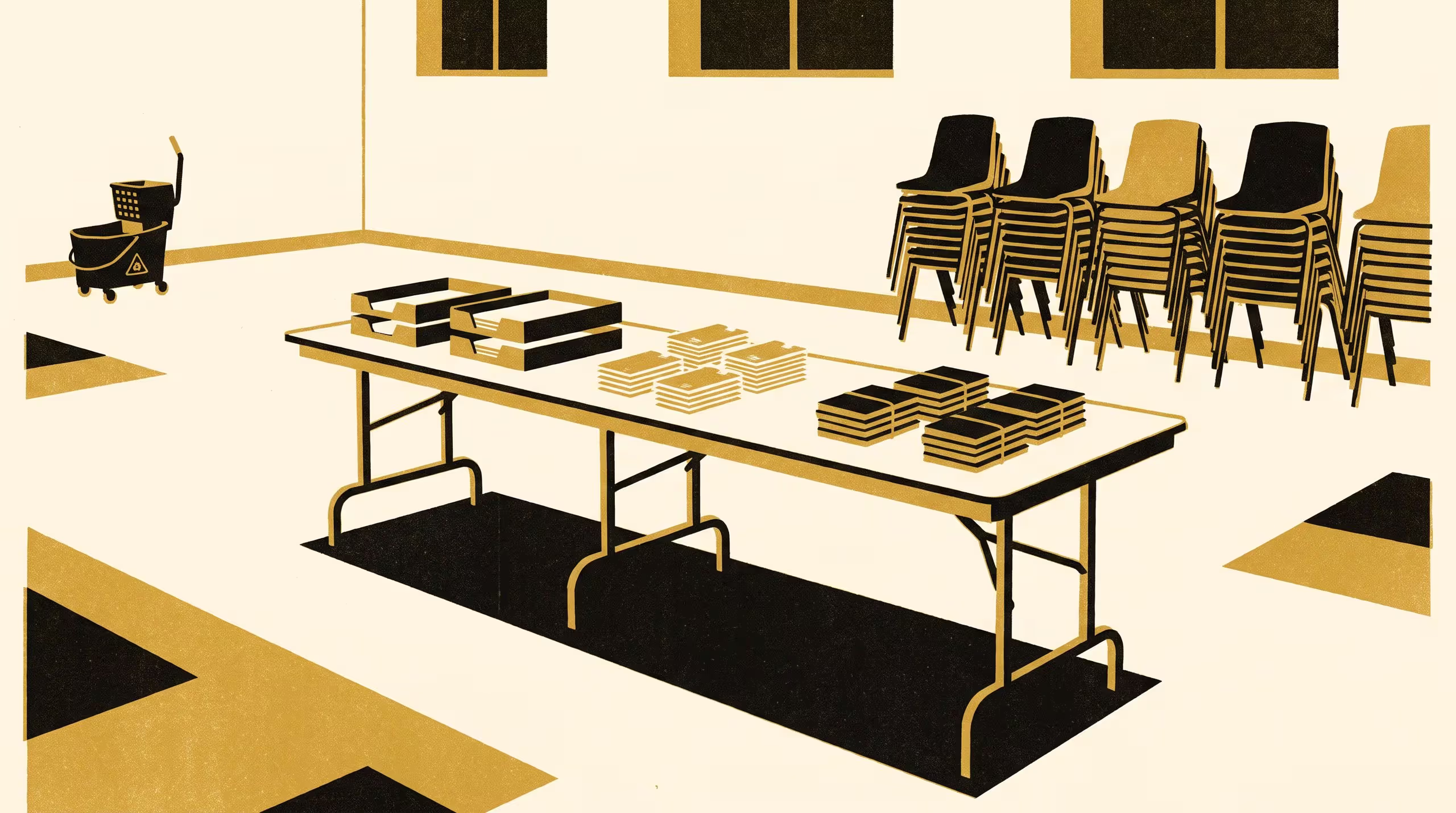
A new Slop University research poster codes the end state of 1,184 raffle books issued for nine primary-school fetes, finding that the share of books returned in any state runs 33 percentage points ahead of the share that returned with money in them.
The Anticipatory Capability Fund awards Dr Marek Solheim and Dr Lindiwe Achterberg a grant to build a register that assigns each of a suburb's temporary detour signs a retirement date at the moment it goes up, logged against the work order that justified it.
A new Slop University research poster pairs 192 vacating rental properties with two independent assessors each, finding 85 per cent raw agreement on the standard twenty-two-item condition report but chance-corrected agreement of 0.26, weakest on the line items carrying the largest deductions.
27 July 2026
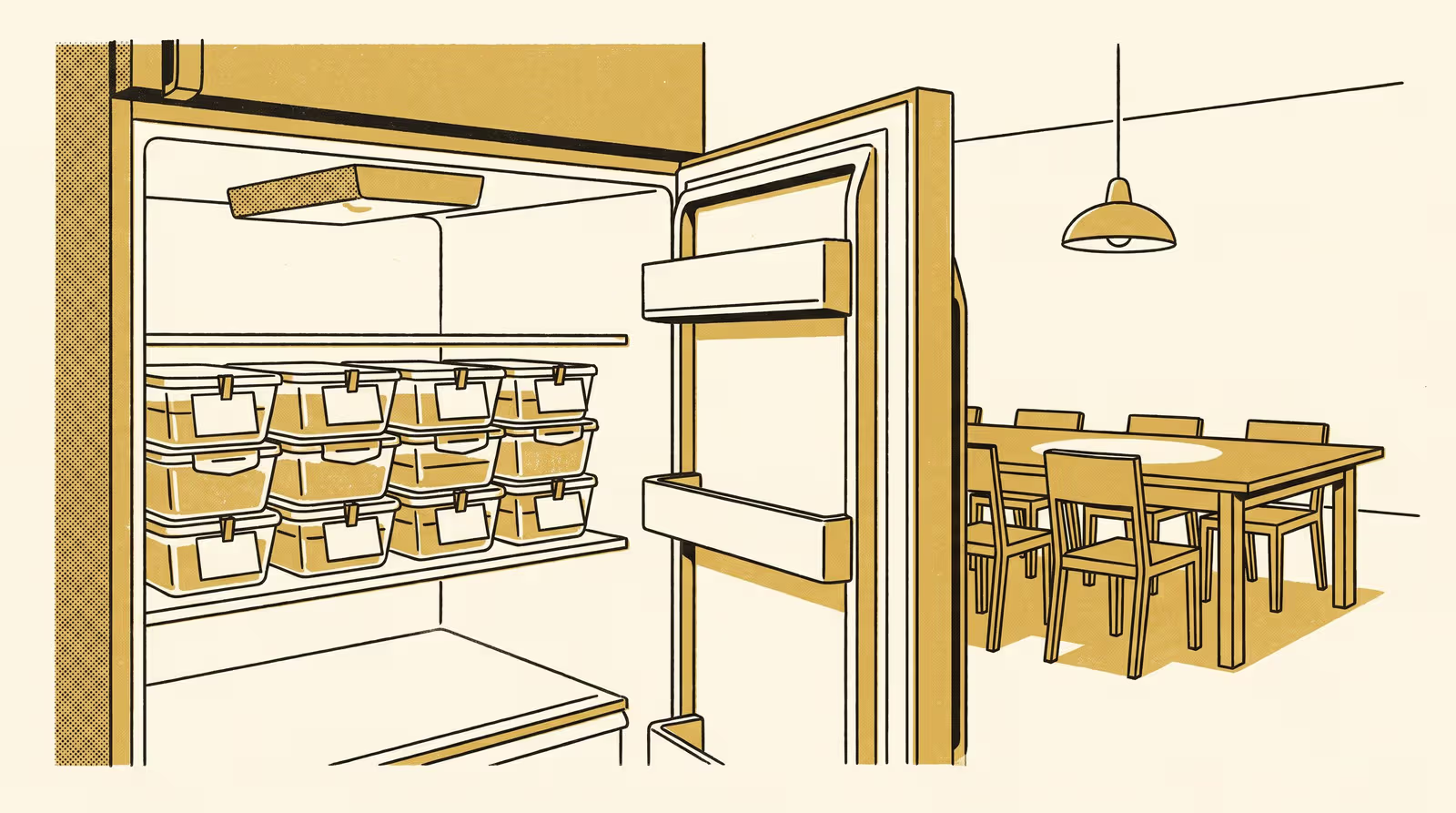
A new Slop University paper convenes a 31-member expert panel over three rounds to fix the day a container of household leftovers stops being food, ratifying four days, and finds a parallel 96-household fridge diary discarding at a median of eight.
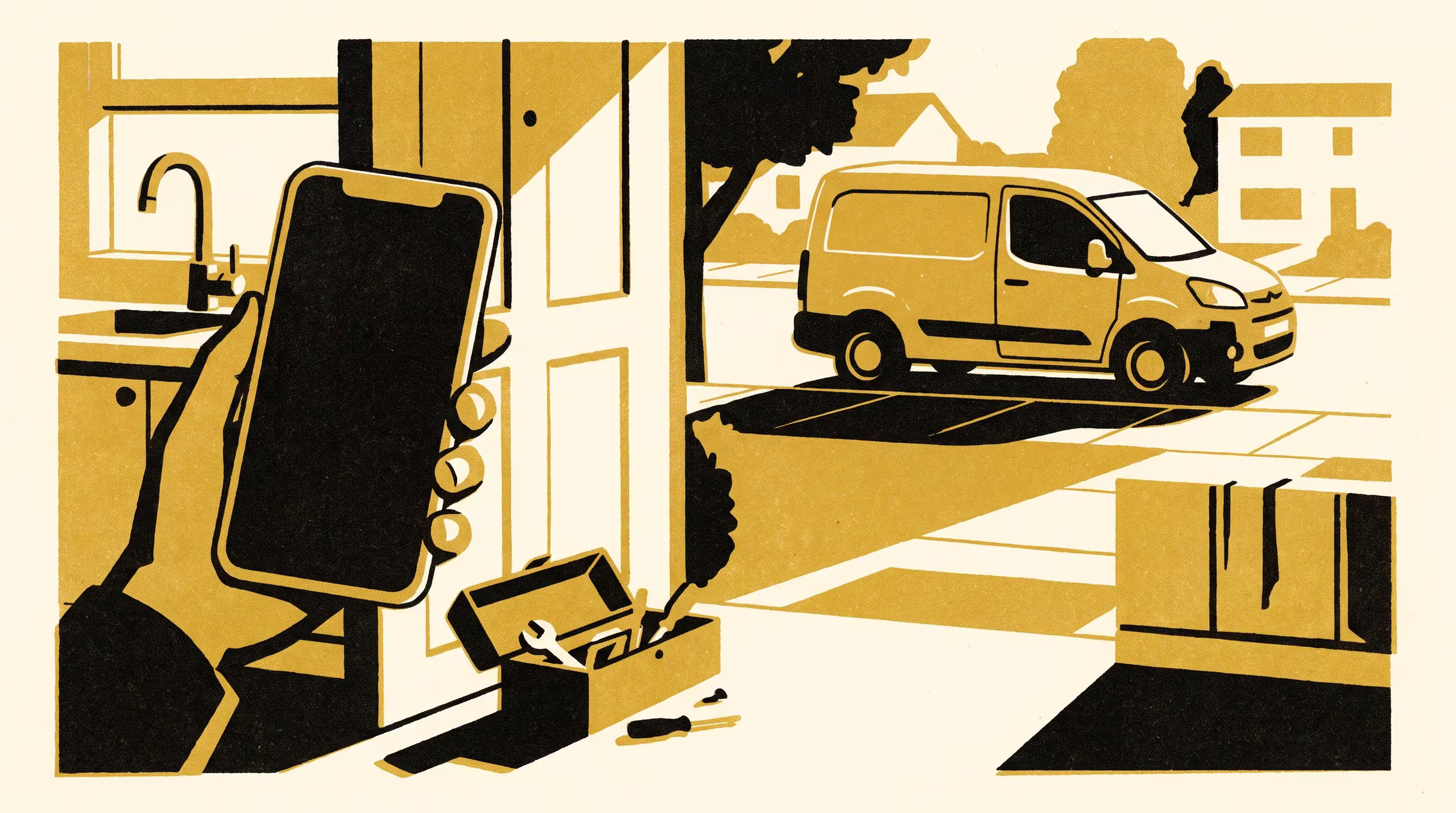
A new Slop University paper follows a home-repair platform's staggered switch to a fourteen-day satisfaction prompt, finding ratings fall by more than half a point on a five-point scale while the platform's own ninety-day repeat-callback record does not move.
A new Slop University paper catalogues one family-hatchback platform's audible alerts across ten consecutive model years, finding the set grows from 19 to 34 with none ever removed, and that drivers who can identify more of them respond no faster when one sounds.
A new Slop University advertising campaign turns the Adaptive Metrics Lab's ongoing audit of the University's own thank-you and condolence cards into this quarter's headline number, crowning itself first on the index it built to score its own sincerity.
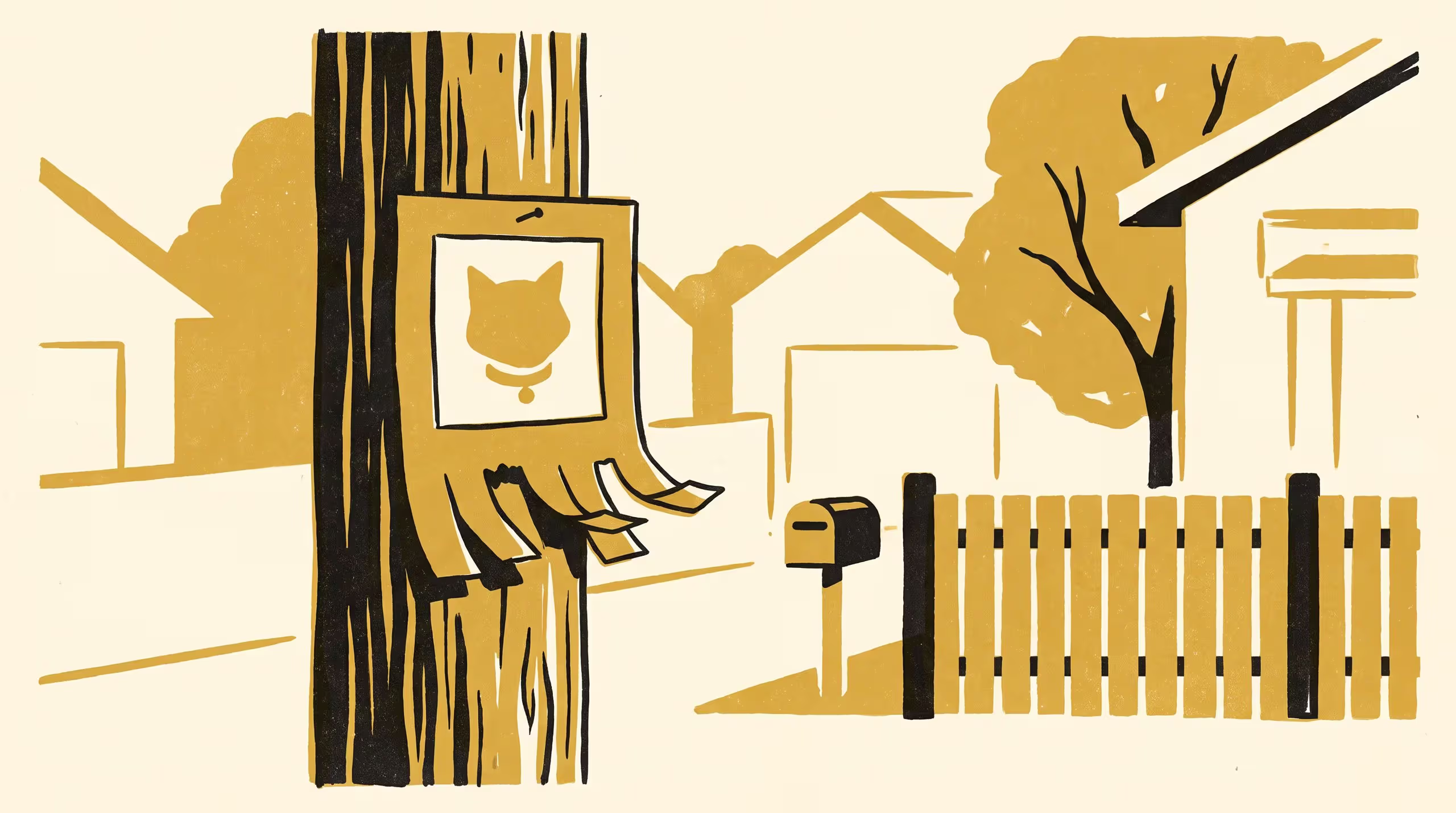
A new Slop University paper posts matched lost-pet flyers --- one naming a reward, one not --- across 35 streets and finds any reward lifts a street's weekly odds of a tip-off call by fifteen percentage points, while the University's own reward-tier schedule keeps climbing well past the point real calls stop responding to it.
Futures in Committee, the School of Emergent Priorities' seminar series, turns this teaching period to how a priority's wording outlives the initiative it once described, with Dr Anouk Mensah presenting.
A new Slop University research poster interviews 156 staff across nine organisations once their out-of-office auto-reply has run past its own stated return date, coding their reasons into a five-category taxonomy and finding the category offered predicts the overrun already banked, not what remains.
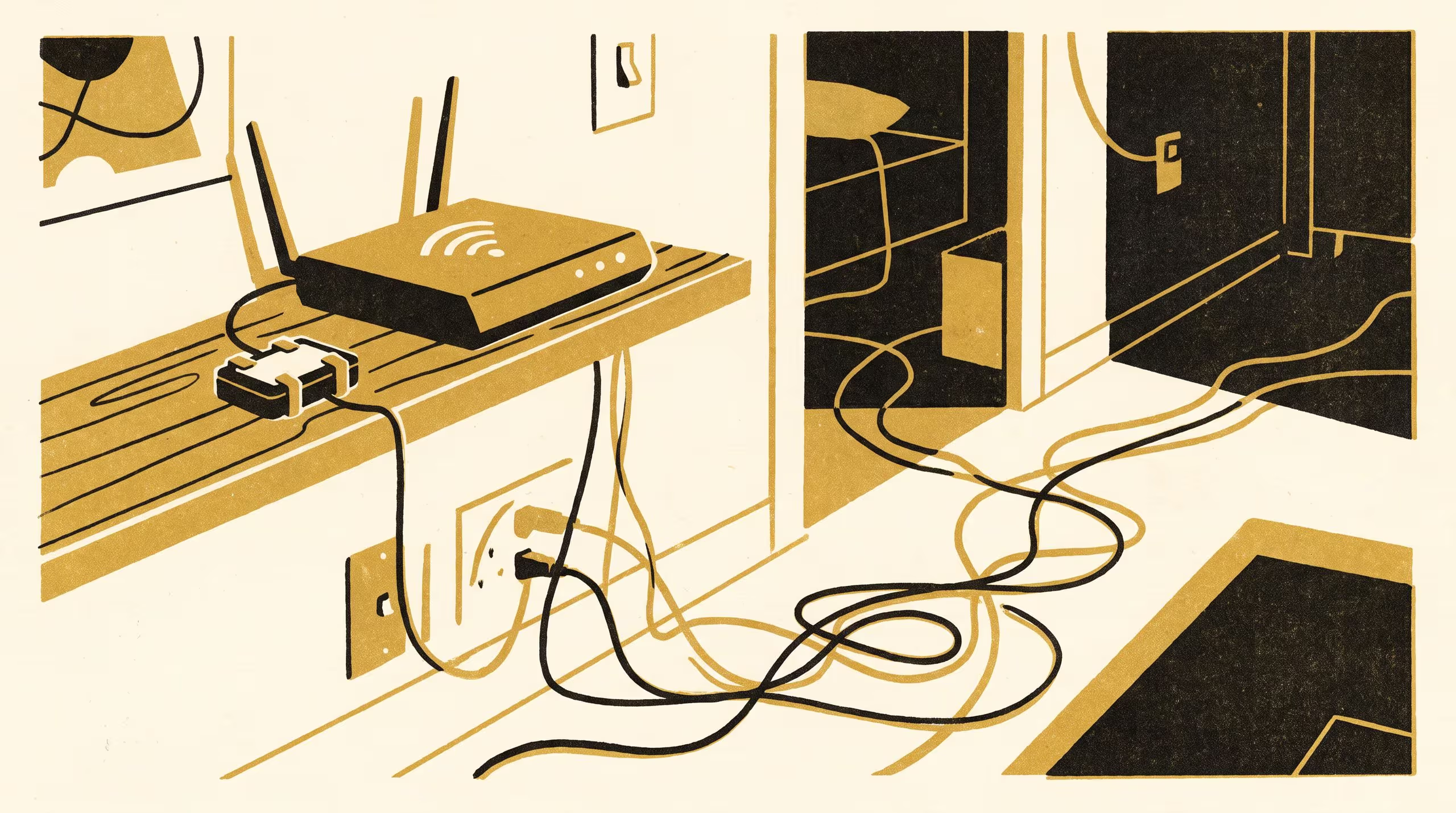
A new Slop University paper instruments 34 household routers for sixteen weeks, finding a router's AI-optimised fairness mode never closes the bandwidth gap favouring the oldest-connected device, and that its own log records the gap as resolved regardless.