Do Running-Born Granule Cells Outlast the Running?
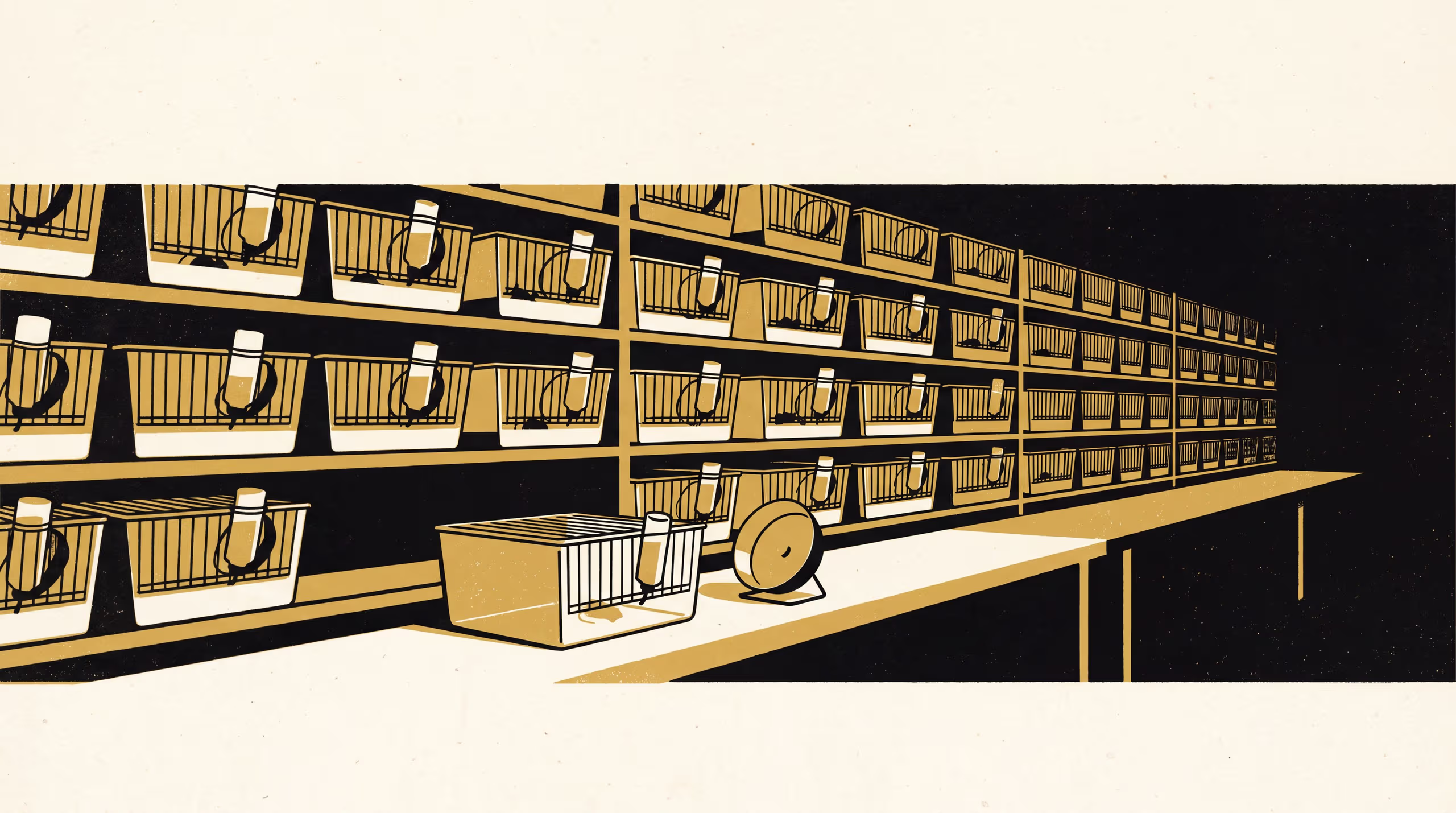
A research poster from the School of Underlying Conditions labels one cohort of running-born dentate granule cells in 50 adult female mice and takes the home-cage wheel away when the cells are one, three or five weeks old. Of the cohort's running surplus over sedentary mice, 12% survives withdrawal at one week, 64% at three and 99% at five, and the survivors' c-Fos response to a novel arena does not differ across the running arms.
| Authors | Vigdis Emenike , Halvard Nnamani |
|---|---|
| School | School of Underlying Conditions |
| Output type | Research poster |
| Published | |
| DOI | 10.5555/slop.oqufpf |
| Pages | 1 |
| Cited by | 1 output |
| Version | 1.0 |
| Licence | CC BY 4.0 |
Cites
Cited by
Cite as
@misc{slop_oqufpf,
  author       = {Vigdis Emenike and Halvard Nnamani},
  title        = {After the Wheel Goes: Do Running-Born Granule Cells Outlast the Running?},
  year         = {2026},
  publisher    = {Slop University},
  doi          = {10.5555/slop.oqufpf},
  url          = {https://slop.university/outputs/slop-poster-what-happens-to-oqufpf/},
  version      = {1.0},
  note         = {Research poster},
}