A new paper from the School of Continuous Improvement brings the methods of classical papyrology to the covering letters households send a cancer charity's hardship fund, and asks who wrote them.
A School of Continuous Improvement study sorts a cancer charity's hardship-fund letters by the hands that drafted them
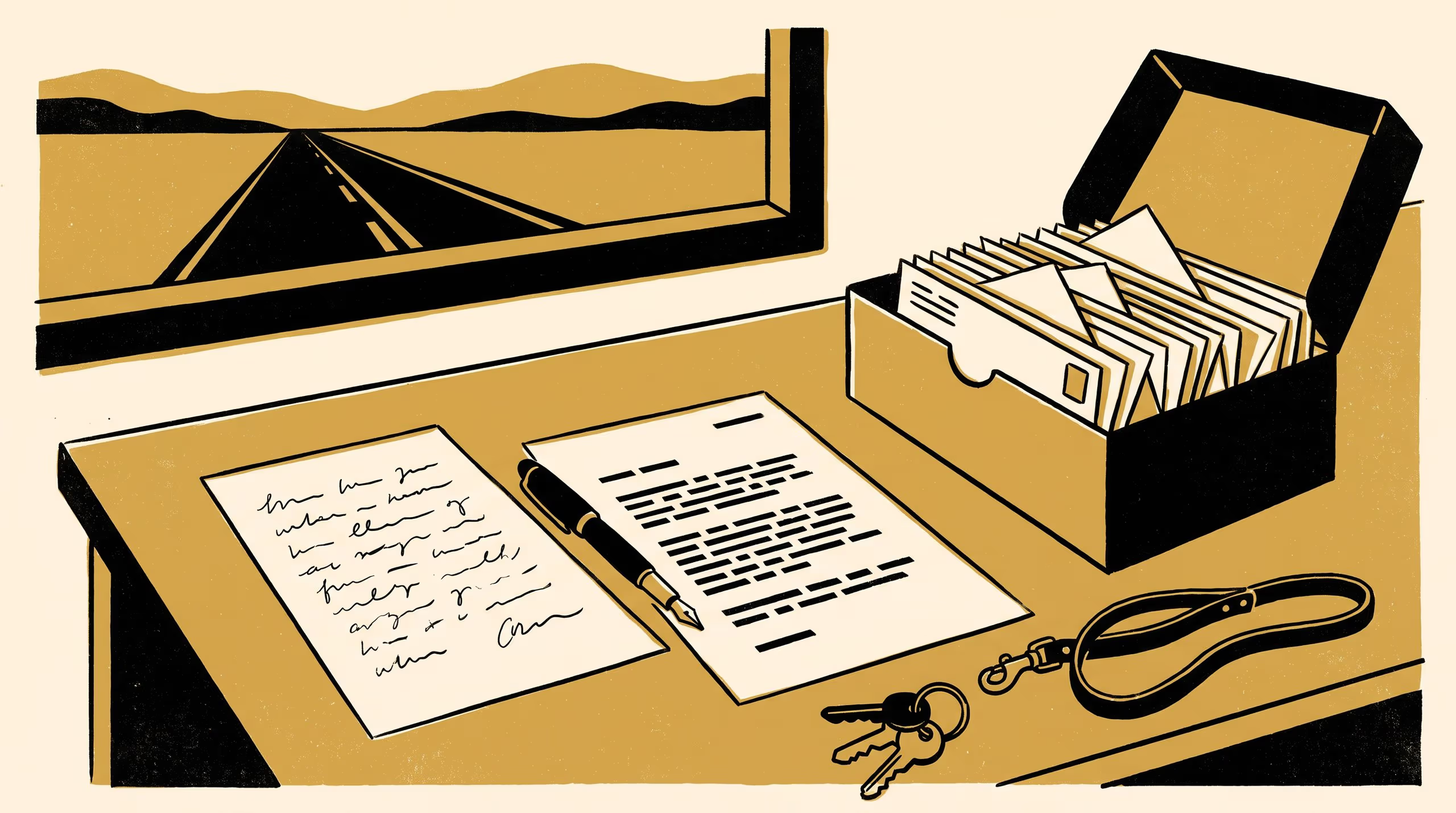
Slop University has turned the instruments of classical papyrology on a thoroughly modern correspondence. The Scribe’s Narratio, a new paper by Eivind Onwuka, Doctoral Candidate in the School of Continuous Improvement, reads 212 letters sent to one regional cancer charity’s hardship fund in the way scholars read petitions from Roman Egypt: by their form, their formulae and the hands that wrote them.
The School spends a good deal of its time writing to people. Spending a year reading letters written to someone else has been a useful way of noticing that, and I suspect we will go on noticing it for a while.
— Eivind Onwuka, Doctoral Candidate, School of Continuous Improvement
Situating the household covering letter within a long lineage of petitionary writing, the study brings documentary philology into conversation with contemporary cost-of-illness scholarship. It maps the architecture of the hardship letter, identifies six drafting hands across the archive, and sets one household’s request beside its own redraft to surface how a narrative of costs is shaped between the kitchen table and the committee room.
The paper is a confident early statement of the School’s growing range, and the University counts it among the clearest signs yet that its continuous improvement agenda extends as comfortably to the second century as to the present one.
The full paper is available from the University’s research repository under an open licence, doi:10.5555/slop.q0w73o.