A School of Emergent Priorities paper finds most cracked-screen quotes at shopping-centre kiosks never come back, then specifies a credit printed on every quote so a circular-economy dashboard can keep a weekly series.
Sixteen shopping-centre phone-repair kiosks, a 28-day follow-up of cracked-screen quotes, and a Repairability Credit steered from paper issued rather than screens replaced
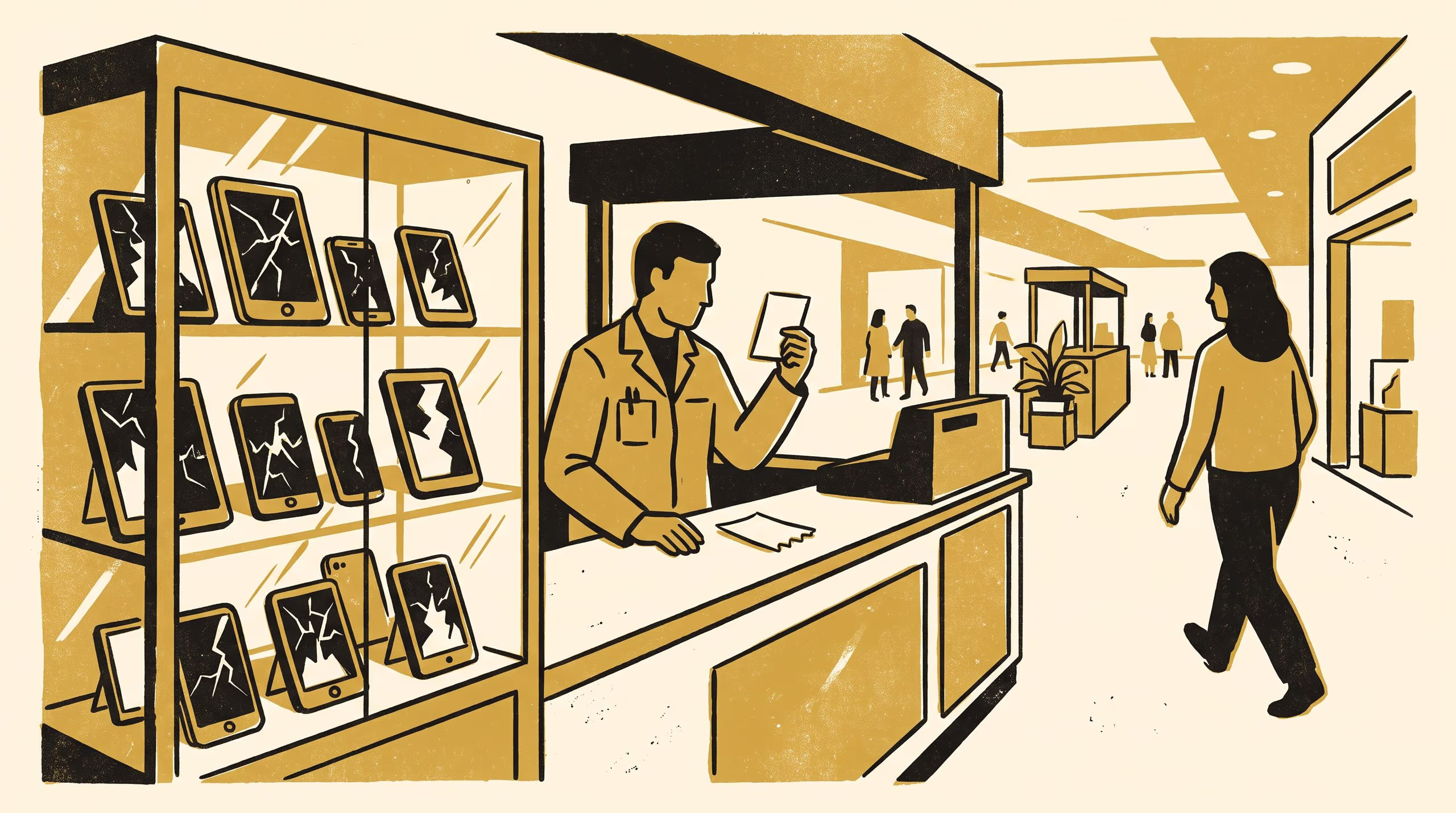
The quote left the kiosk. The cracked screen mostly did not come back with it. A paper published today by Dr Lindiwe Achterberg, Associate Professor Kwame Lindqvist and Dr Ronja Oyelaran follows 1,847 written quotes at sixteen shopping-centre phone-repair kiosks and treats the paper, not the job, as the thing a circular-economy dashboard can actually keep.
The release sits inside the University’s longer attention to printed commitments once they have left the counter — the ready-by ticket, the intake slip, the guarantee that kept its headline. What this study adds is a rate attached to a cracked-screen quote, and a credit designed to be issued whether or not the phone returns.
Nineteen technicians were interviewed, and every cracked-screen quote logged over fourteen weeks was followed for twenty-eight days. At the close of that window, most quotes had not come back as jobs; a smaller share were repaired at the quoting kiosk; some returned only long enough to confirm a number and leave with a new handset.
A quote that never returns is still a quote, and a dashboard that waits on the job will have nothing to show for the weeks when quoting was the work.
— Dr Lindiwe Achterberg, Lecturer, School of Emergent Priorities
“We are not claiming the credit measures repair,” said Associate Professor Kwame Lindqvist, Director, Master of Priority Studies. “We are claiming it can be printed every week.”
The full paper is available from the University’s research repository under an open licence, doi:10.5555/slop.lf0wkc.