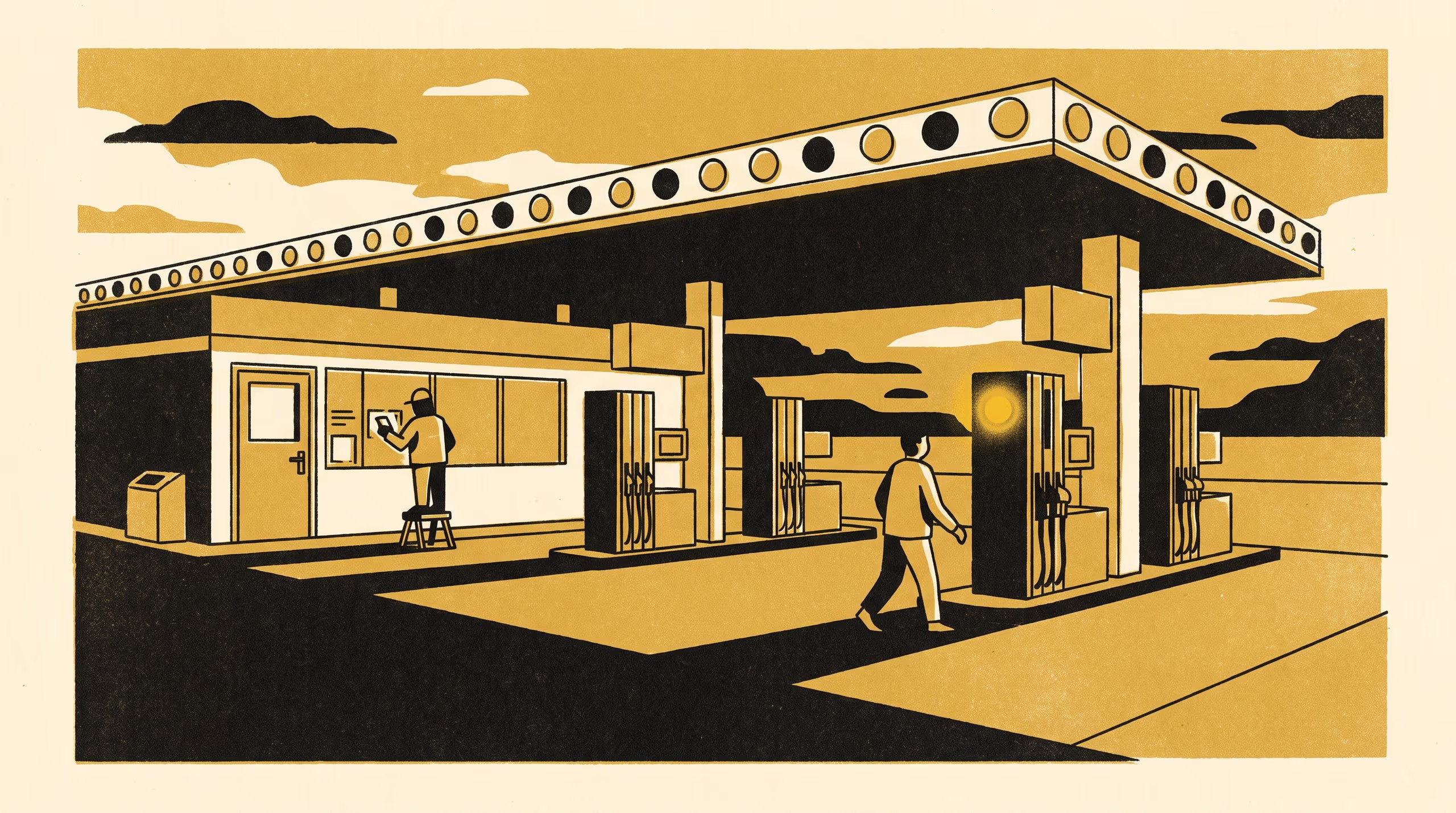
A new Slop University poster embeds with a petrol station's forecourt staff for a season, finding they stop trusting the bay-availability sign well before head office does.
A nine-week case study watches a petrol station's roster quietly stop believing the light above the bay
A season is long enough to watch a habit form. It isn’t long enough to say whether the habit outlasts whoever taught it to the next hire — that’s the question we’re leaving on the table for a second site.
— Dr Dagny Okafor, Lecturer and Convenor, Evaluation of Evaluation, School of Continuous Improvement
The School of Continuous Improvement’s evaluation-ecosystem agenda has spent this season on an instrument nobody thought to audit: the small overhead light that tells a petrol station forecourt whether a bay is free. A new Slop University research poster embeds with the staff who work underneath it.
The team shadowed one site’s roster across three shifts a week for nine weeks, cross-checking the sign’s live read against a forecourt walkthrough every quarter hour and logging the gap between a card tap and a customer actually clearing the bay. What the sign reported held remarkably constant across the season; what the roster was still willing to take its word for did not.
“The sign wasn’t wrong so much as unhelpfully constant,” said Torun Ezeigwe, Senior Lecturer and Director, Master of Applied Measurement, School of Continuous Improvement, a co-author on the poster. “The roster adjusted around it instead of waiting for it to change.”
The University places the finding inside its wider account of what a fixed readout is actually good for, once the people standing underneath it start improvising around it rather than waiting for a fix.
The full poster is available from the University’s research repository under an open licence, doi:10.5555/slop.xoidgd.