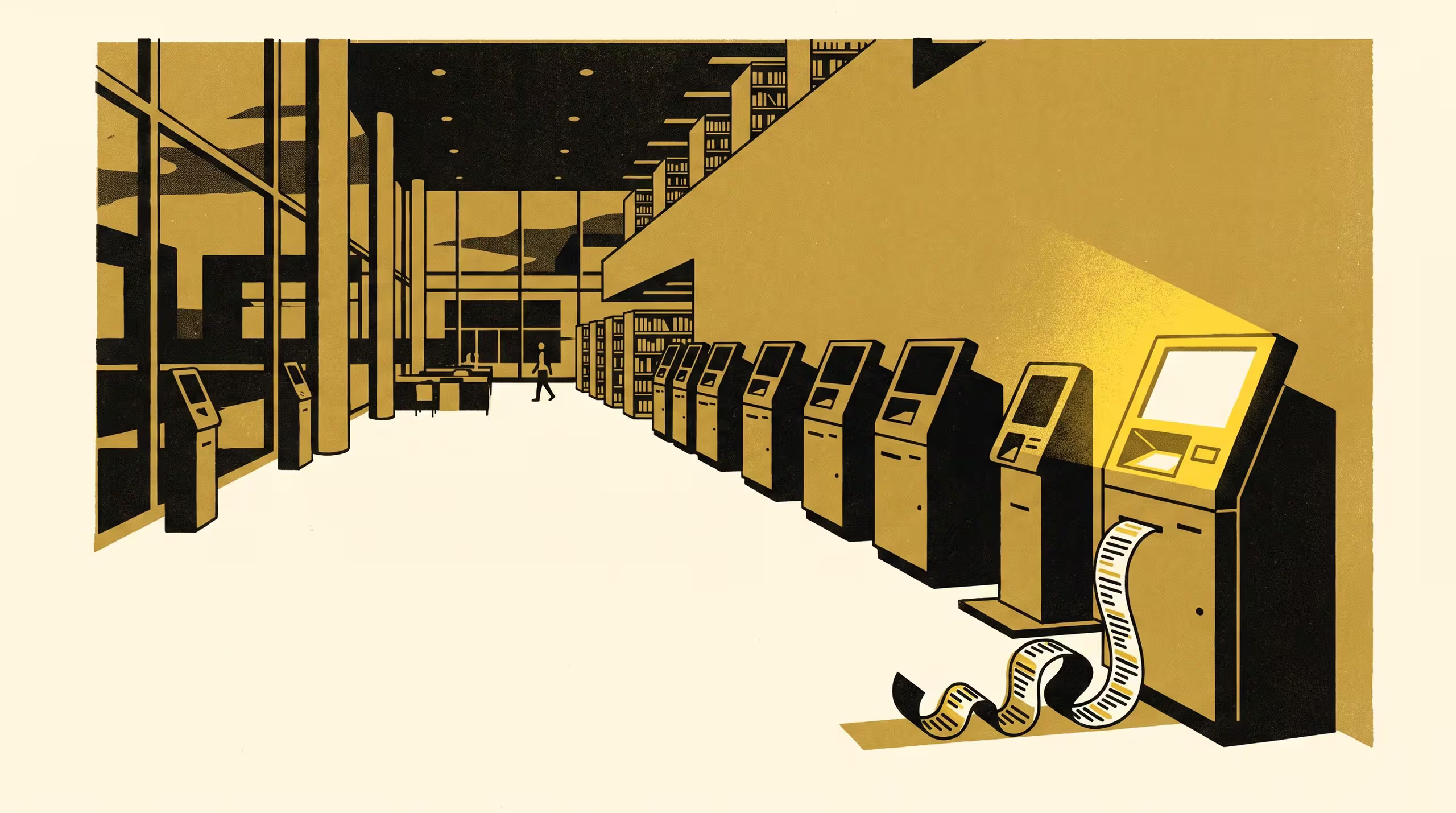
A new poster compares the library's print-credit auto-top-up subscription against four retired campus services, and finds its cancellation trajectory already sitting inside the historical retirement range.
A retrospective study finds the library's print-credit top-up service already inside the cancellation range at which four other campus subscriptions were retired
The School of Emergent Priorities spends most of its research effort on noticing an ending before the ending is official. Its newest poster turns that habit on the print-credit top-up subscription tucked beside every library photocopier.
Digital Services logs every cancellation of the auto-top-up service the same way it logs a successful one: as a “self-service resolution.” Dr Marek Solheim, Dr Anouk Mensah, and Professor Verity Marris set eighteen months of that cancellation figure against the final eighteen months of four campus subscription-style services the University has already retired — a locker rental, a laundry-credit top-up, a bike-share membership, and a meal-plan auto-renewal.
Cumulative cancellations on the print-credit service reached 34% of active subscribers by June, inside the 30-35% band at which three of the four comparator services were formally discontinued. Across both datasets, no cancellation was logged any differently from a completed top-up.
A cancel click and a top-up click are, as far as the dashboard’s concerned, the same click going in different directions. We’d like the difference to show up somewhere before the service does.
— Dr Marek Solheim, Lecturer, School of Emergent Priorities
Professor Marris, whose own work follows how priorities outlive the conditions that justified them, said the trajectory “reads less like a warning than like an anniversary nobody’s marked yet.” The University holds the comparison as an early instance of its anticipatory-capability agenda meeting a service most people assumed too small to anticipate anything.
The full poster is available from the University’s research repository under an open licence, doi:10.5555/slop.gz0g6t.