Research-led, metrics-forward, and continuously improving. News from the Office of Research Outputs.
20 November 2026
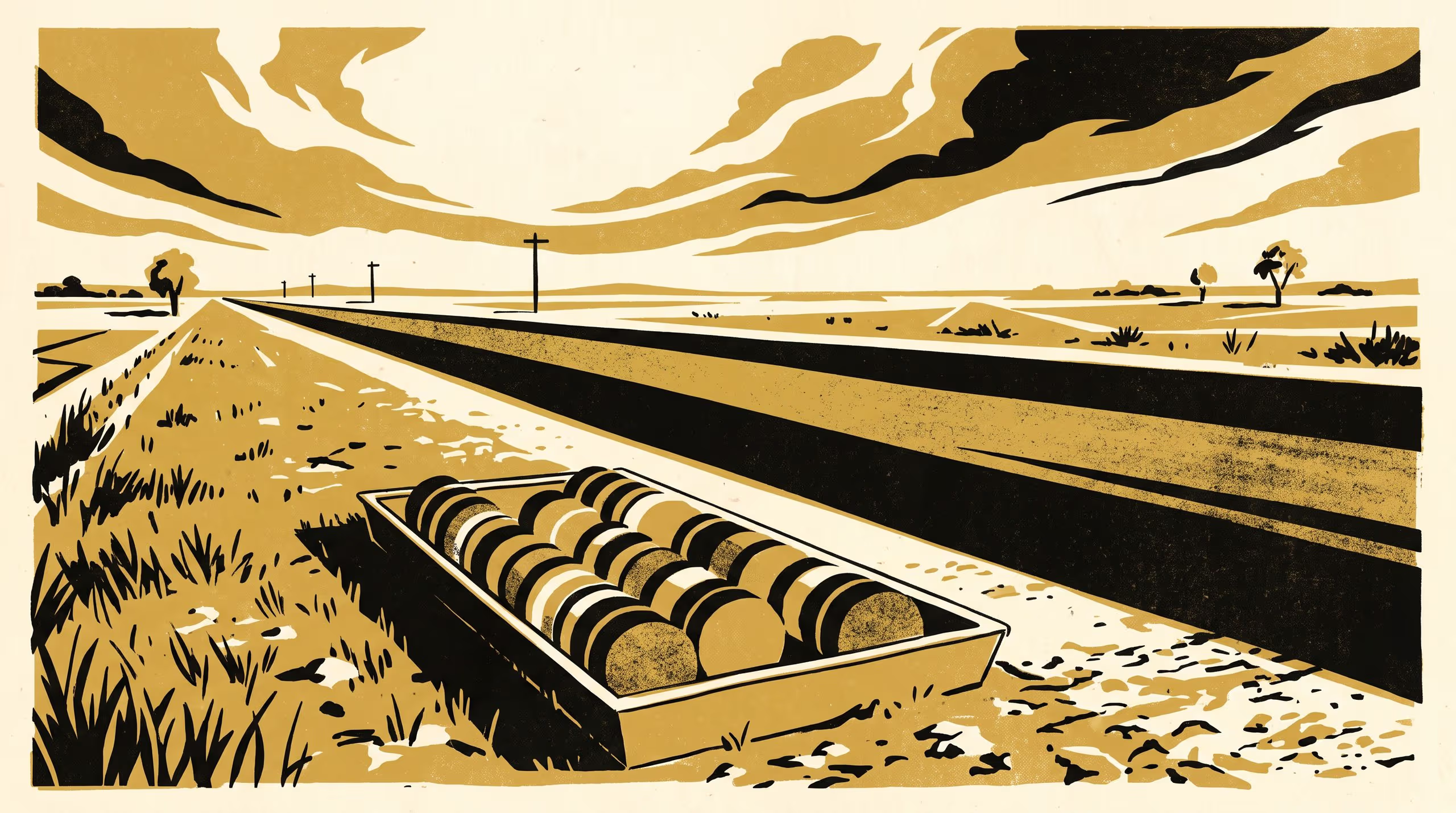
A new paper from the School of Underlying Conditions checks the force record of a working subsoiler tine against trenches dug along its path, and finds the record counts the stones the tine struck far better than the stones that were there.
A new paper from the School of Settled Matters treats the financial and impact sides of a materiality assessment as two closure operators, and proves how many rounds of reassessment a reporting entity may need before its list of topics is coherent from both.
A new paper from the School of Emergent Priorities applies the methods of classical scholarship to the annotations in an orchard station's working copy of a grafting handbook, and finds the margins of its abandoned chapters taking the place of the text.
A new paper watches Year 7 students fail levels of a fractions number-line game on purpose, and finds that one kind of deliberate failure, testing both ends of an unfamiliar scale, goes with better accuracy on number lines the game never showed.
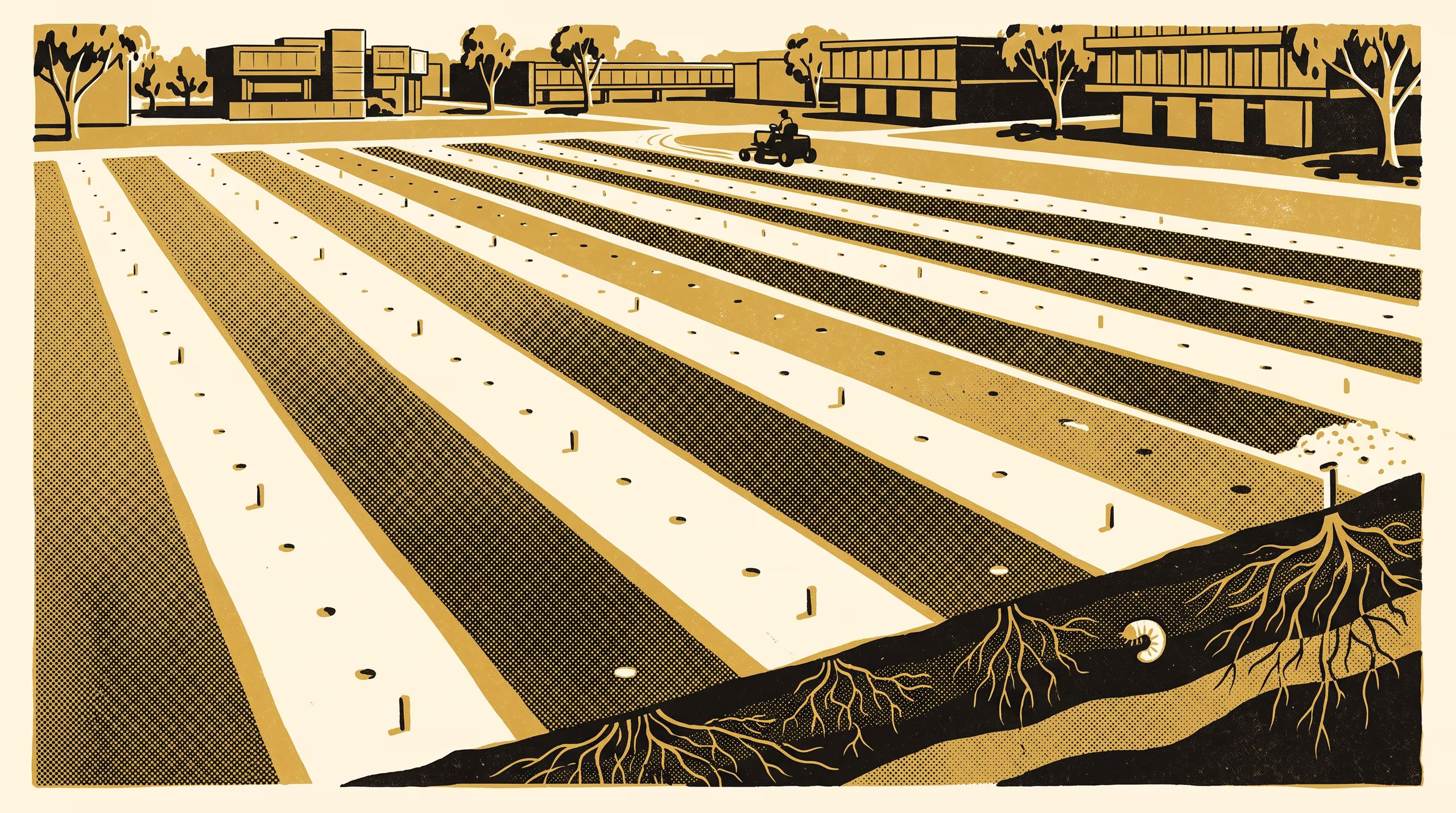
A new paper follows a single application of an insect-killing soil fungus to part of a campus lawn through three years of soil surveys, and finds the released strain persisting where it was put and spreading along the lanes the ride-on mower follows.
A new paper finds that district roads paid for in the final month of the fiscal year carry a thinner surface and need rehabilitation sooner, and that letting districts carry unspent appropriations forward narrowed the gap without changing what they spent.
A new research poster treats a narrated module's slide-change log as interval-censored data, finding that three animated worked examples account for most departures and that a single randomised ping per slide shows where within them learners stop.
19 November 2026
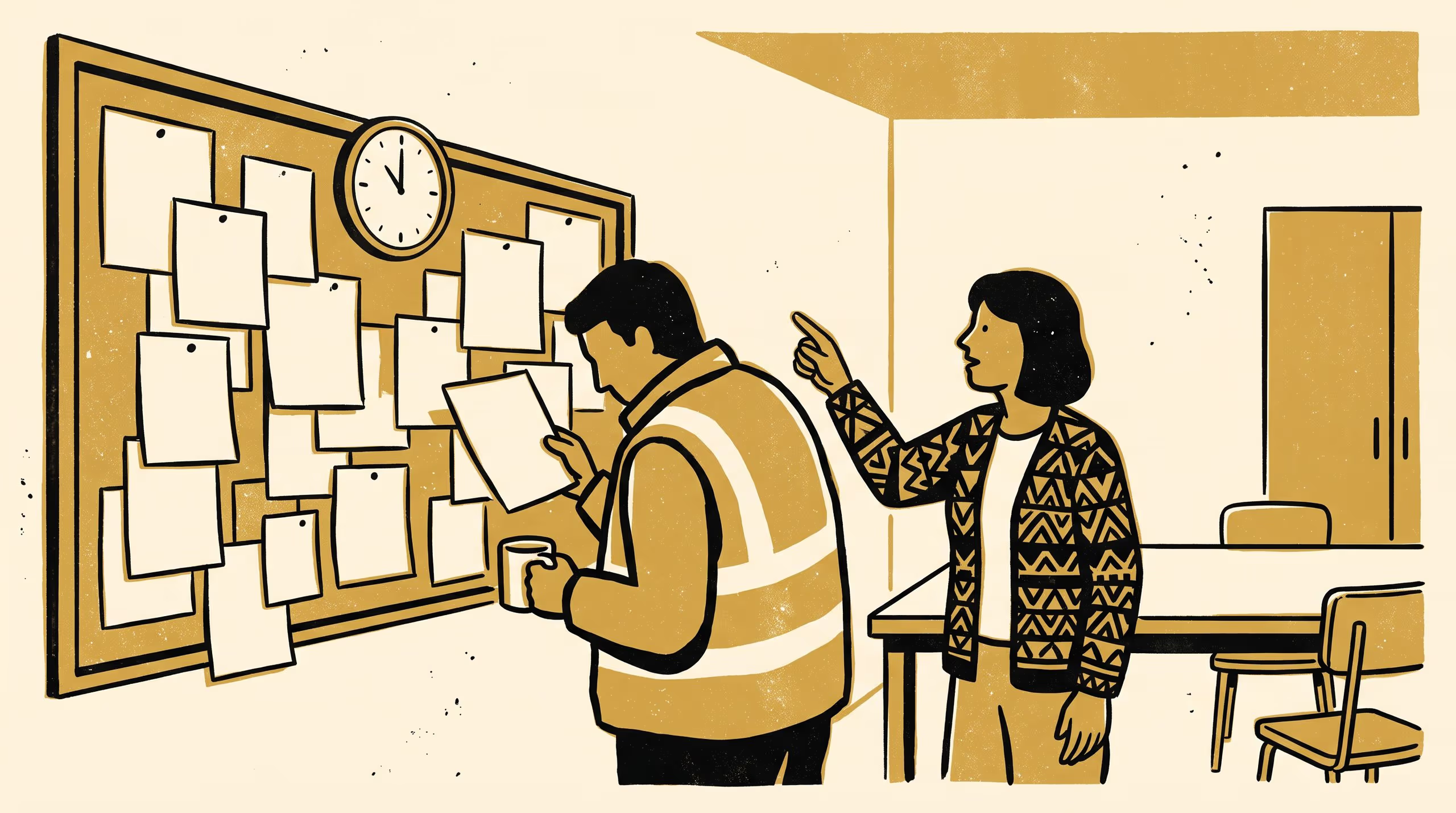
A new brochure from the School of Settled Matters asks the region's employers and staff to bring the wording of their workplace arrangements to the University's open readings, and points them to six studies on how working life is looked after in writing.
A new paper from the School of Settled Matters follows first-year students studying law and chemistry side by side, and finds that a legal word taught early can outlast the chemistry lesson meant to replace it.
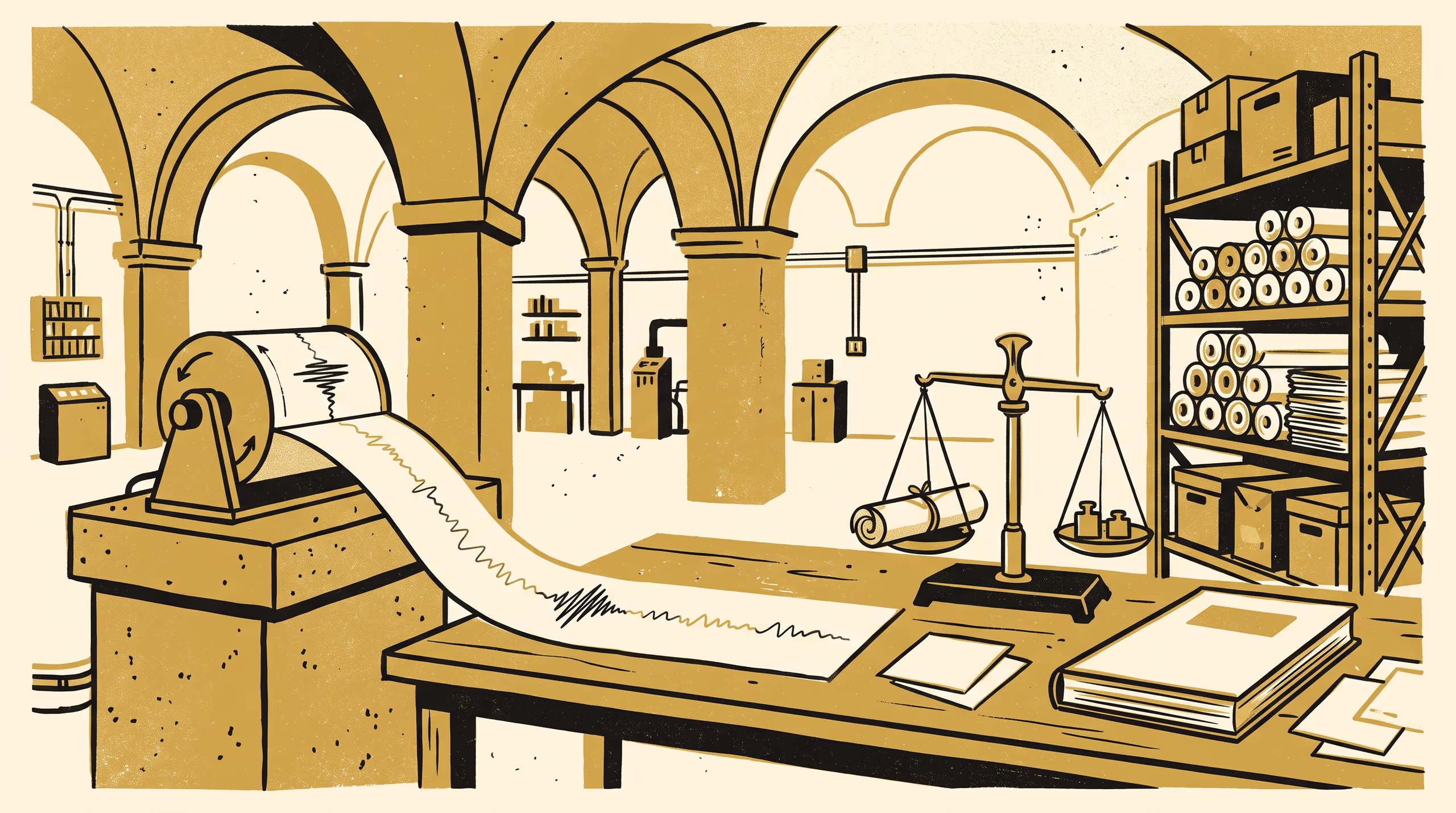
The School of Underlying Conditions brings its research on a seismic observatory's recording paper, and the earthquake timings it cost, to the University's portrait signage.
A new research poster follows quarry revenue through twenty years of budgets in 96 rural shires, finding that most of each extra dollar from a council gravel pit funds day-to-day spending, and that shires which book their pit's depletion keep far more of it.
The School of Settled Matters leads a case-for-support brochure inviting partners to back the University's research on memory, from a repeatedly cooled lead disc to the precedent base of a decision system.