A new paper from the School of Settled Matters traces how advocates before an early modern appellate tribunal supported, and then abandoned, one disputed point of dowry law.
A legal history follows a widow's dowry claim through 94 allegations to the moment counsel stopped arguing it
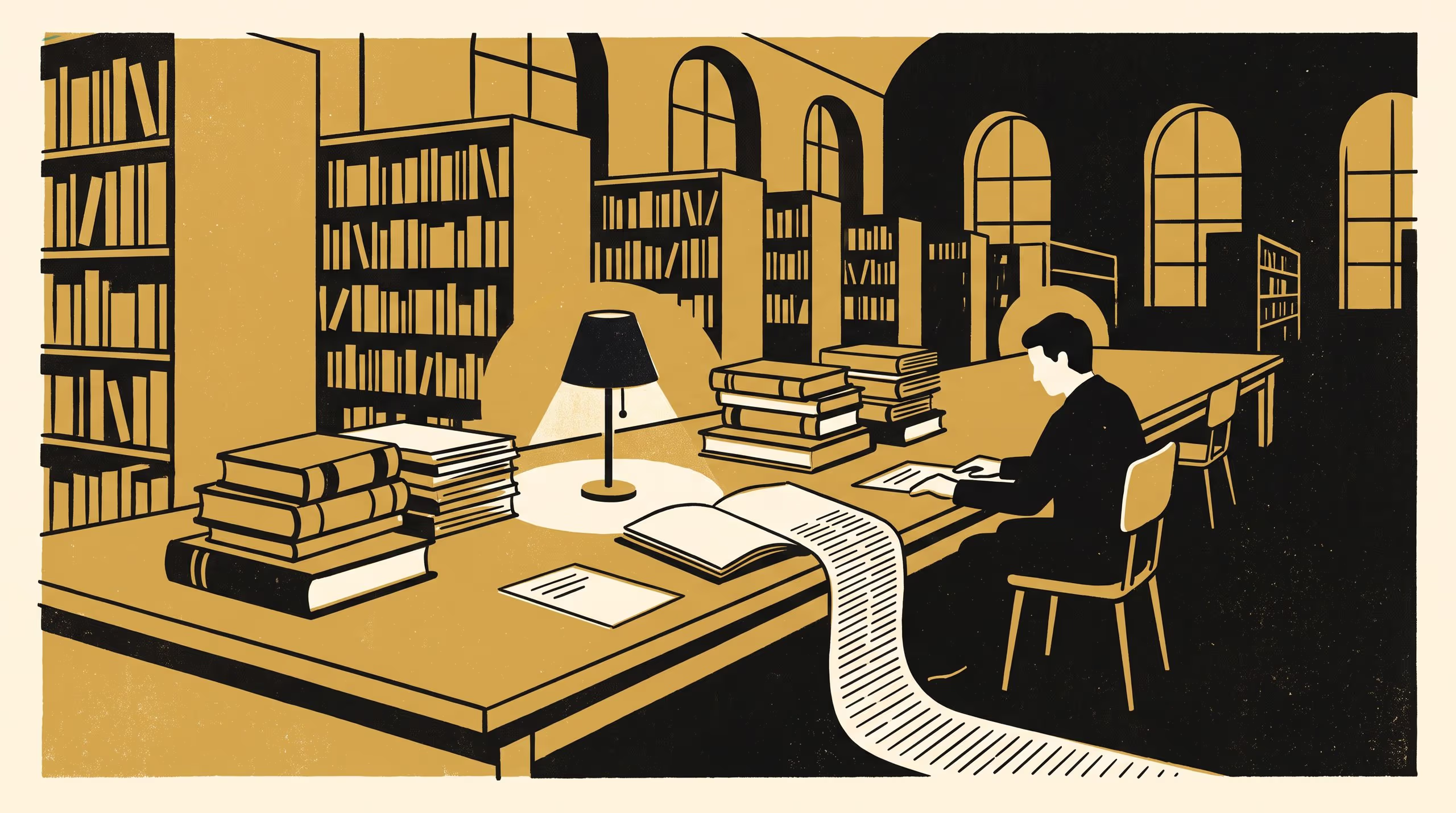
When does a question of law stop being a question? The School of Settled Matters has made that problem its own, and its newest paper takes it back four centuries. In The Longest List Is the Last, Dr Odalys Penhallow reads the bound printed arguments of a provincial appellate tribunal for every occasion, between 1597 and 1663, on which counsel contested whether a widow’s privileged claim to her dowry also covered the sum her husband had promised to add to it.
It has been a privilege to keep company with advocates who wrote, year after year, for a bench they knew well. Their patience is something any School could learn from, and ours fully intends to.
— Dr Odalys Penhallow, Senior Lecturer, School of Settled Matters
The paper brings the close reading of the archive into dialogue with the history of citation itself, tracing the authorities each side marshalled across 94 allegations and three distinct phases of the tribunal’s thinking. As the court’s answer firmed, the paper finds, the widows’ advocates leaned increasingly on the tribunal’s own record, while their opponents assembled ever longer lists of learned opinion, the longest of them only shortly before the argument fell silent altogether.
The publication extends the University’s commitment to reading, slowly and in full, the records that other institutions leave behind, and gives the Received Readings Group a historical foundation for its continuing work on how readings come to be accepted.
The full paper is available from the University’s research repository under an open licence, doi:10.5555/slop.cm1uj9.