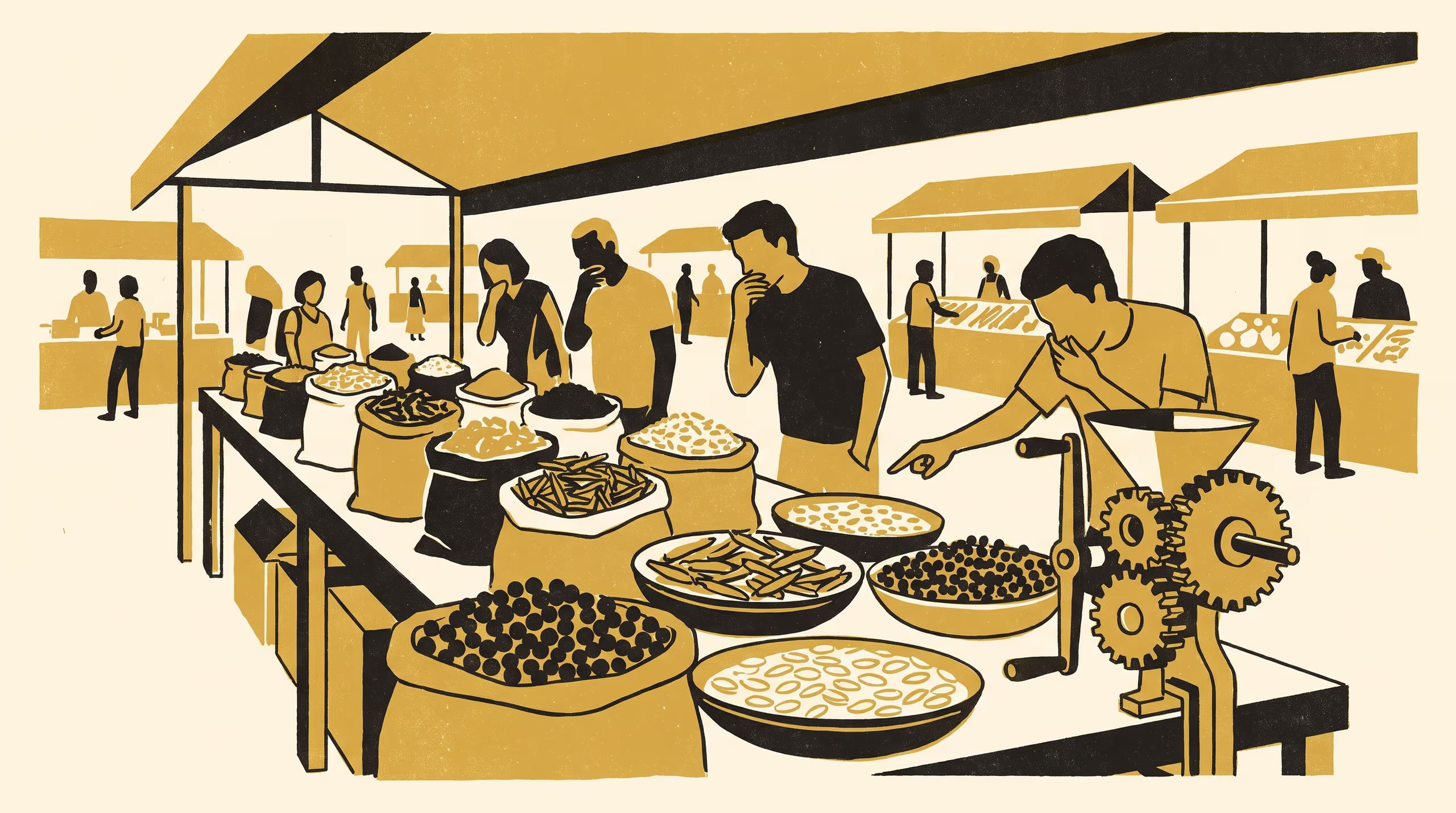
A case-for-support brochure from the School of Emergent Priorities invites partners and donors to sustain the University's long attention to the pepper family, from the chemistry bench to the herbarium drawer.
A new brochure asks partners to back a priority the School of Emergent Priorities has watched for several planning cycles
Partners in search of a priority they can help shape, rather than one that arrives fully formed, now have a place to begin. Slow Heat, a new case-for-support brochure from the School of Emergent Priorities, sets out why the University continues to keep the pepper family on the Horizon Register, and what sustained support would make possible.
The brochure is authored by Dr Lindiwe Achterberg, Lecturer in the School of Emergent Priorities, and Dr Fenna Okoro, Senior Lecturer and Convenor of the Horizon Register.
The most valuable thing a university can offer an emerging priority is time to stay emerging. With the right partners, the pepper family can remain in active development for as long as it continues to teach us something.
— Dr Lindiwe Achterberg, Lecturer, School of Emergent Priorities
Organised around three settings, the brochure moves from bench chemistry, through the herbarium practice that keeps a large family of plants in order, to the School’s anticipatory oversight of a question still open in direction. Each setting is anchored in the University’s existing published record, with six studies from across three Schools cited by title and DOI.
Dr Okoro located the work within the Register’s broader purpose, describing an entry as “a promise to keep looking” and the pepper family as one that “has earned its place by continuing to reward the people who look.”
The publication extends a practice the University holds dear: committing carefully to the questions most worth not rushing.
The full brochure is available from the University’s research repository under an open licence, doi:10.5555/slop.dnajr7.