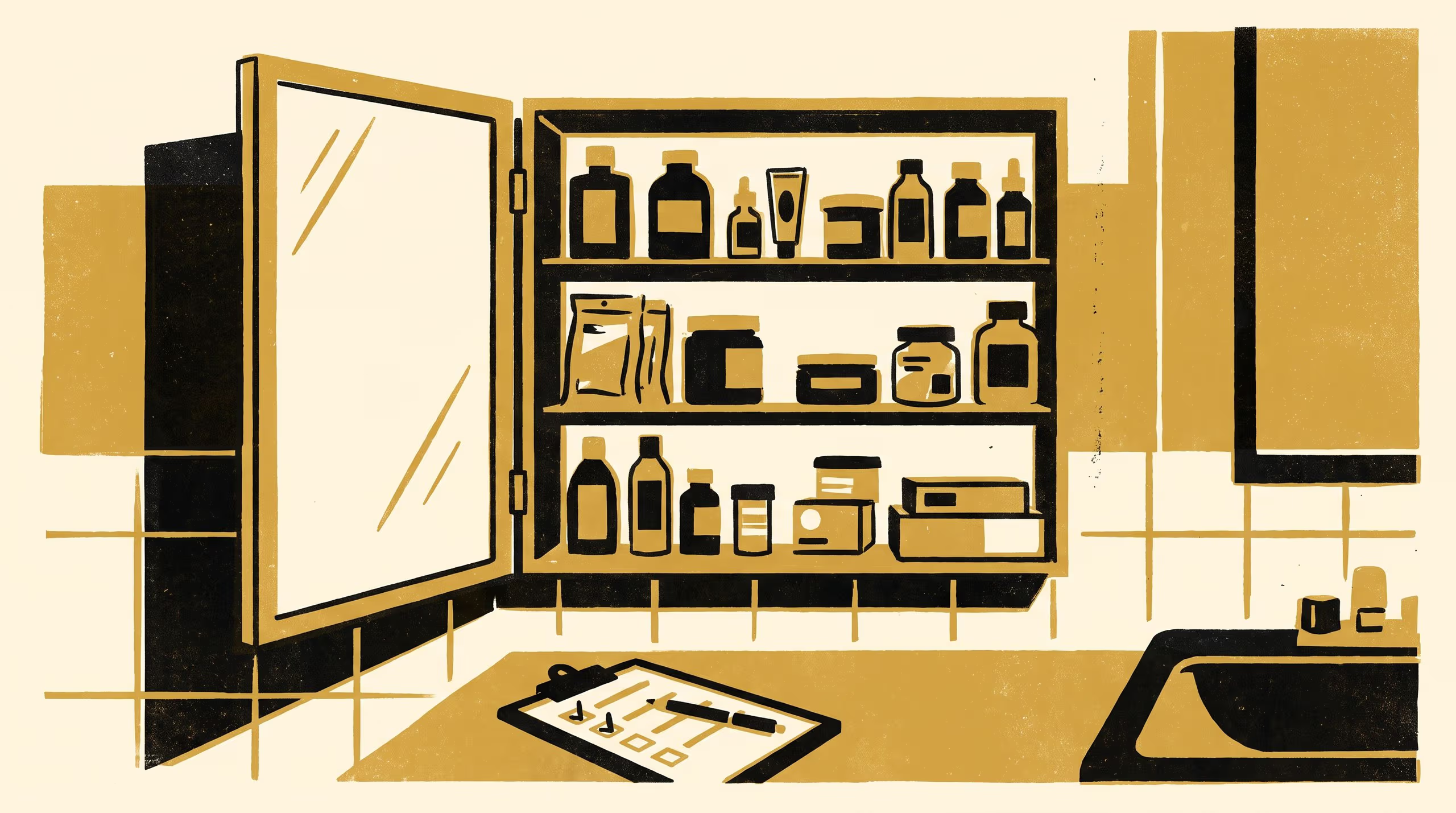
A Slop University research poster follows a single household's eight-week medicine-cabinet audit into a training case now taught to every incoming aged-care assessor.
A School of Emergent Priorities case study follows one household's eight-week expiry log into the file that now trains assessors everywhere else
A cabinet gets audited once, and if nobody redraws the record, once is what a curriculum has forever. Behind one bathroom mirror, a laminated four-shelf checklist photographed every Thursday for eight weeks now sits inside the standing case file every trainee aged-care assessor reads before their first home visit.
The research poster, from the School of Emergent Priorities, followed a single household’s medicine-cabinet audit from the first photograph to its adoption as teaching material, tracking which shelf the log kept pace with and which one it let quietly drift. The household’s own record of who did the week’s pharmacy run agreed with the audit’s assignment most weeks; the shelf it agreed with least often is the one the training file now singles out as resolved. The case’s adoption reflects the School’s ongoing interest in how a single well-kept record can outlast the site it was drawn from.
A file that trains everyone after it never meets the household it came from, and that’s exactly why the University keeps such careful account of the ones it does.
— Dr Anouk Mensah, School of Emergent Priorities
“Every case file has to start somewhere,” says Dr Fenna Okoro, a co-author on the study. “We’re glad this one started somewhere so ordinary.”
The full poster is available from the University’s research repository under an open licence, doi:10.5555/slop.csrebk.