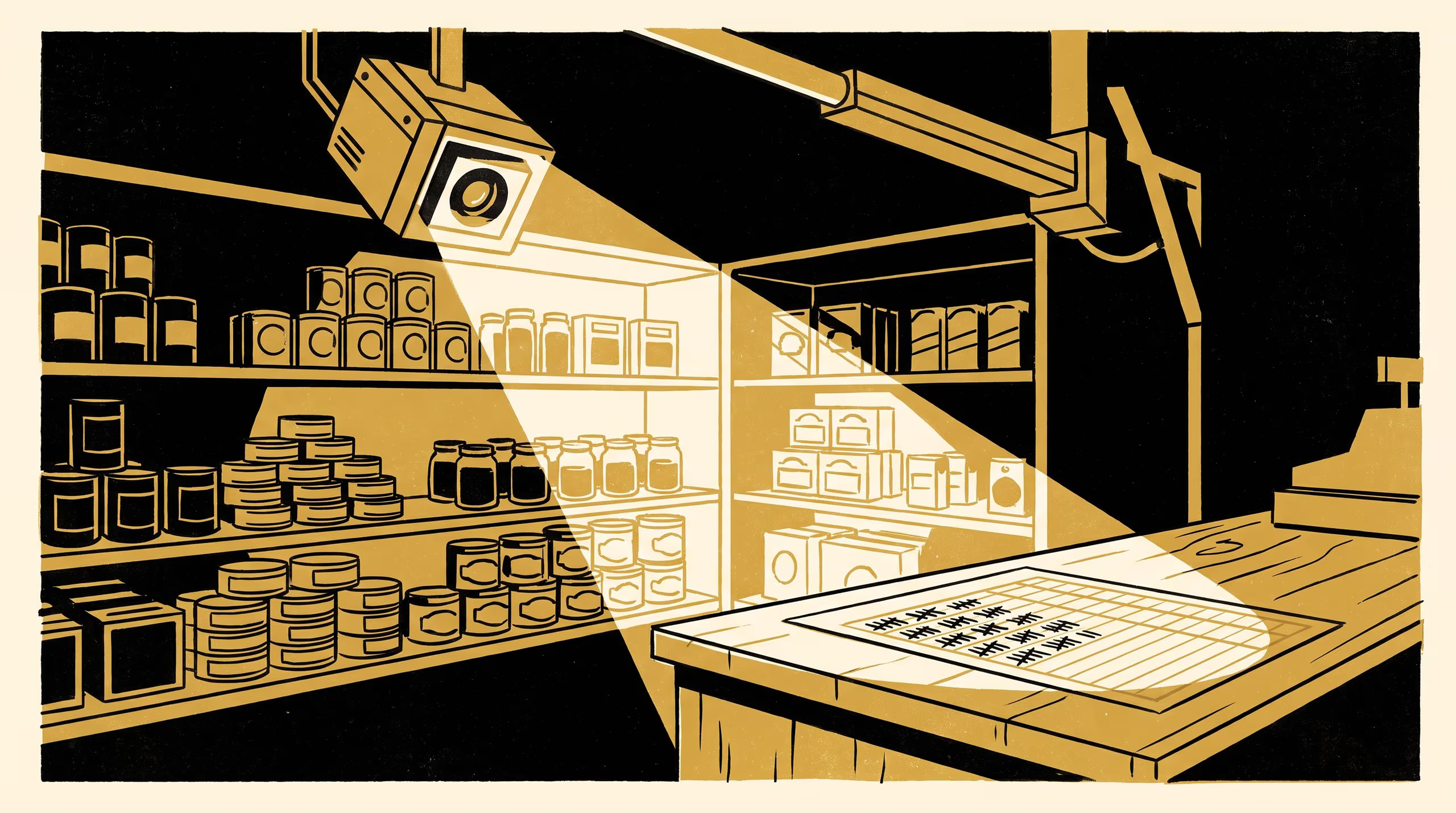
A new paper describes NIGHTCOUNT, a system that photographs a corner store's shelves each night against the till, and the insurance waiver an outside party has since bound to it.
A School of Continuous Improvement paper reconciles a shop's till against its shelves, and reports what an insurer did with the streak
The ledger already knew what sold. Nobody had ever thought to ask the shelf whether it agreed.
— Senior Lecturer Thandiwe Solberg, Convenor of Demo Quarter
A new paper from the School of Continuous Improvement describes NIGHTCOUNT, a system that photographs a corner store’s shelves every night and checks the resulting count against the till. Built and tested at a single independently owned store over fourteen weeks, the system clears the overwhelming majority of stock automatically each night and queues anything outside tolerance for a same-morning look by staff.
It’s the kind of result the School has learned to expect: build an instrument to describe something, and sooner or later somebody outside the University asks it to decide something instead. A regional insurer, briefed on the deployment, has adopted the store’s unbroken run of cleared nights as sufficient grounds on its own to waive the store’s discretionary claims excess each month the run holds — a decision the University had no part in making, and views with the same curiosity it brings to any instrument put to work faster than the evidence behind it.
“A camera can tell you what’s on a shelf a great deal more cheaply than a person can,” says Associate Professor Casimir Beng, Lead of the Adaptive Metrics Lab. “What it can’t tell you is why the two counts started agreeing quite so well right around the time somebody started paying attention to whether they did.”
The paper sets the store’s own reconciliation figures against an independent count taken across the same fourteen weeks, and reports what became of each once only one of them acquired a financial consequence. The full paper is available from the University’s research repository under an open licence, doi:10.5555/slop.qird04.