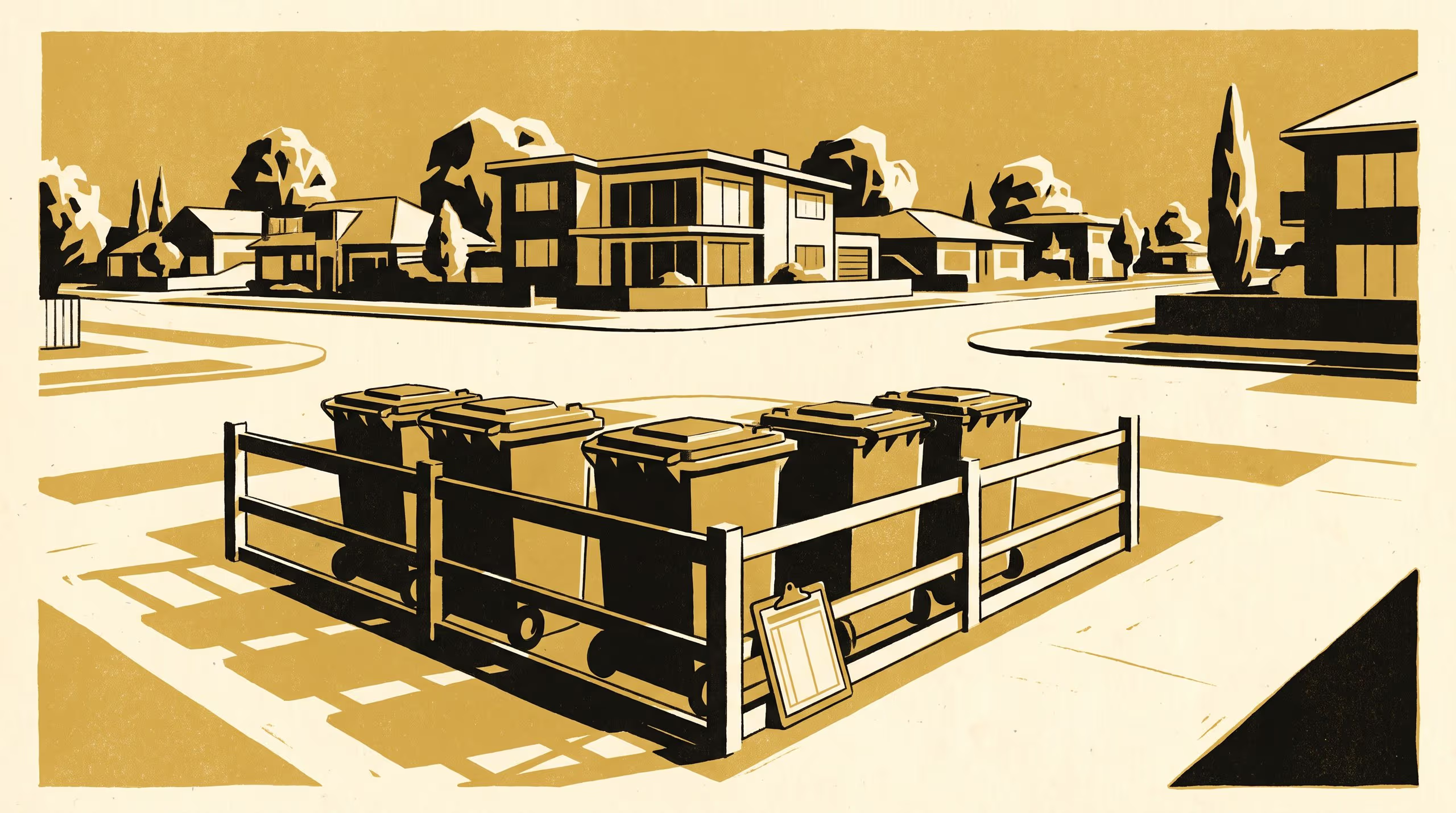
A new Slop University research poster from the School of Emergent Priorities scores three suburban streets' bin-night kerbside readiness under KERB, a five-level maturity model, and reports that two streets have adopted its shared-storage reassignment rule as standing practice.
The Trajectory Analytics Group's KERB model scores three streets' kerbside readiness, and two have adopted its verge-reassignment rule as standing practice
Bin night has never had an instrument. The Trajectory Analytics Group has given it one: KERB, a five-level maturity model that scores a household’s kerbside routine from Reactive through to Self-Optimising, trialled across three suburban streets and fifty-four households over five months.
Led by Senior Lecturer Dr Ronja Oyelaran with Doctoral Candidate Hedvig Anyanwu, the project ran fortnightly, unannounced audits against KERB’s published level descriptors, then tested what a level is actually worth: on two of the three streets, the shared verge storage corner now goes to whichever household holds the fortnight’s top sustained score, with no appeal short of the following audit.
A model only earns the name maturity model once something real is riding on the level.
— Senior Lecturer Dr Ronja Oyelaran, School of Emergent Priorities
Anyanwu, whose own doctoral work tracks what survives an office move unopened, said the reassignment rule had “travelled further than the audit schedule ever asked it to.” The Trajectory Analytics Group is scoping a twelve-street rollout to test whether the incentive holds once the fortnightly visit is replaced by households scoring themselves.
The full poster is available from the University’s research repository under an open licence, doi:10.5555/slop.s6hal1.