A new Slop University brochure profiles a multi-receiver verification rig built for a suburban radio club's Field Day contest, now required before any log is scored.
A new Slop University brochure profiles the receiver array a suburban Field Day contest now requires before any log is scored
A Field Day logbook has settled a claimed radio contact on a callsign and an honour system for sixty years. It no longer has to. Slop University’s newest brochure, published this week, profiles a receiver array the Adaptive Metrics Lab built for a suburban radio club’s annual contest, and the certificate the club’s committee now requires before a single logged contact is scored.
The University counts the certificate among the clearest evidence yet that a claim shouldn’t have to rest on a person’s word when an instrument is available to check it instead. The brochure sets the rig beside six of the University’s other published findings, each an instrument built for an ordinary committee, club, or common room rather than for the campus itself.
A dispute used to end wherever memory ran out; now it ends wherever the receivers do, and that turns out to be a cleaner place to stop.
— Senior Lecturer Thandiwe Solberg, Convenor, Demo Quarter
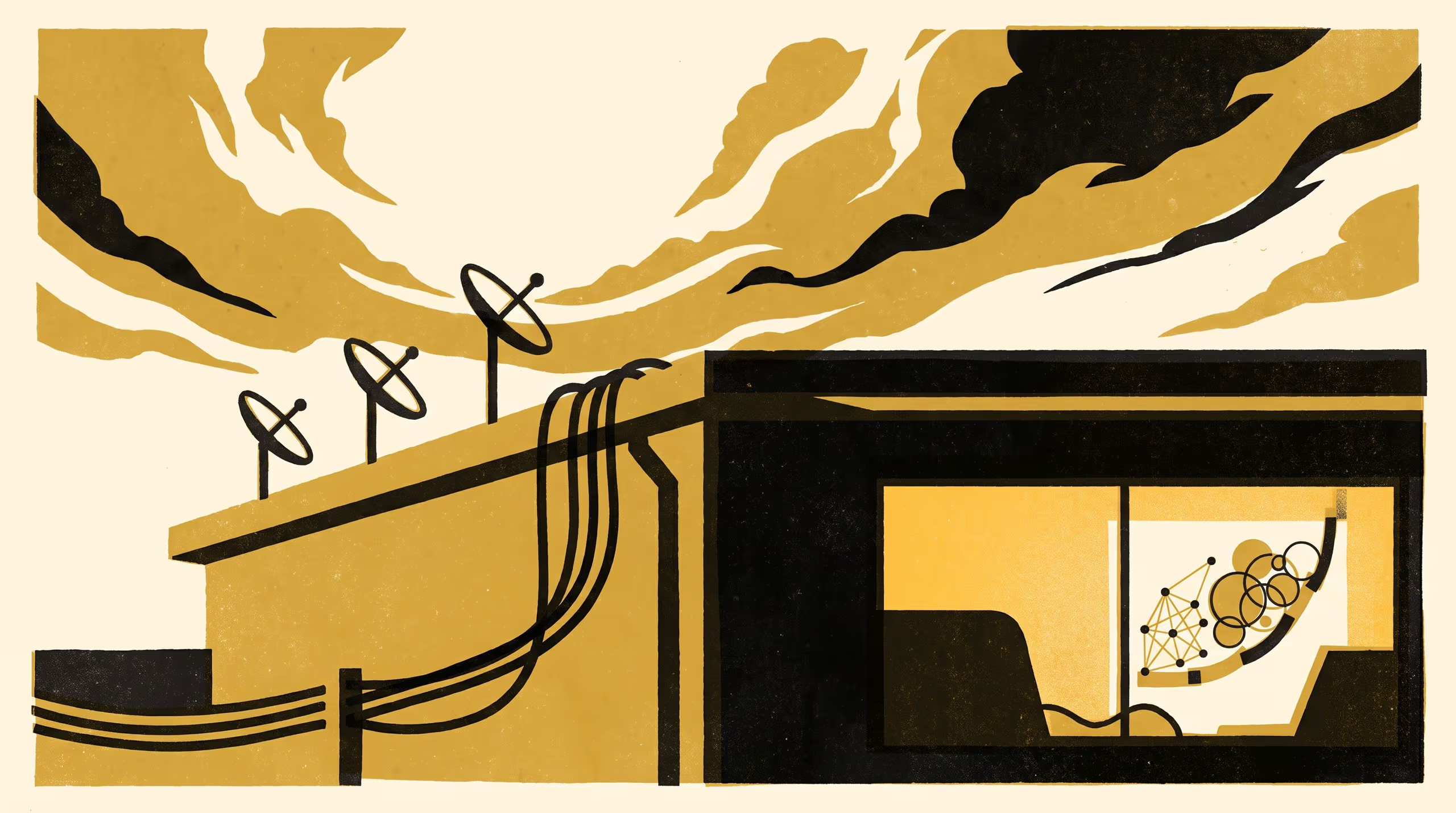
Three independent receivers, mounted around the clubhouse roof, record the contest band for the full twenty-four-hour window; every logged contact is matched automatically against that recording and sealed into a same-day, tamper-evident certificate before the club’s committee will count it toward the trophy. “The Lab didn’t set out to referee a hobby contest,” said Associate Professor Casimir Beng, Lead of the Adaptive Metrics Lab. “The club asked, and the instrument was already sitting in the workshop.”
The full brochure is available from the University’s research repository under an open licence, doi:10.5555/slop.hcwc3h.