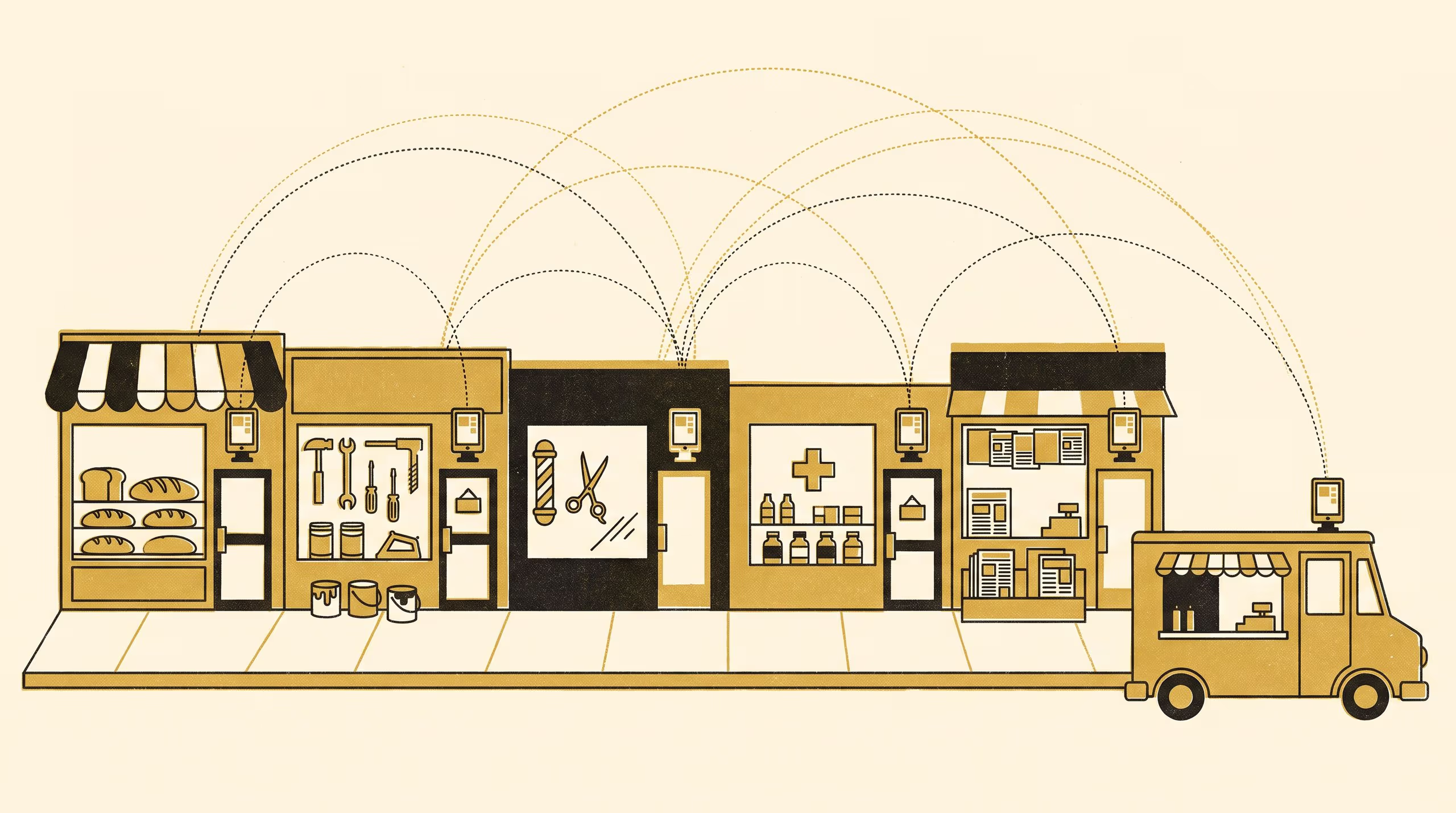
A new Slop University paper describes Comity, a small distributed ledger that settles which of six neighbouring shopfronts earned credit for a shared loyalty stamp, and reports the strip's traders' association adopting its tally as the automatic formula for a quarterly rebate split.
A gossip-reconciled tap ledger replaces the quarterly meeting six shopfronts once held to divide a shared loyalty rebate.
Six shopkeepers on one strip mall used to argue about loyalty stamps once a quarter. They don’t anymore.
A new paper from the School of Emergent Priorities and the School of Continuous Improvement describes Comity, a small ledger the University built to settle which of six neighbouring shopfronts — a bakery, a hardware store, a hairdresser, a pharmacy, a newsagent, and a Friday food truck — earned credit for a customer’s loyalty-card tap. Led by Lecturer Iben Chikere with Senior Lecturer Fenna Okoro and Postdoctoral Fellow Joost Nwosu, the team deployed Comity across two full quarters, and the strip’s traders’ association has since adopted its tally as the standing formula for the marketing-fund rebate the coalition once divided by meeting.
A small always-on device installed in the mall’s corridor now carries messages between the six shopfronts’ point-of-sale tablets on a rolling schedule, reconciling each tablet’s independent record of the day’s taps into a single shared account, with a built-in tie-break rule for the rare case when two shops’ tablets both record the same customer’s visit.
The six of us still talk more than the ledger does. We just don’t need to agree anymore.
— Dr Iben Chikere, Lecturer, School of Emergent Priorities
Postdoctoral Fellow Joost Nwosu, of the School of Continuous Improvement, said the deployment reflects a pattern the two schools keep finding together: whether the tablets agreed with each other mattered less, in the end, than what the coalition was prepared to do once everyone assumed they did.
The release, the University says, reflects how readily its engineering habits now travel into arrangements it did not design. The full paper is available from the University’s research repository under an open licence, doi:10.5555/slop.d8b06z.