School of Continuous Improvement researchers specified a germination-based acceptance plan for retail seedling deliveries and found that nine lots in ten are certified only after the last punnet has been sold.
Fourteen months and 316 incoming lots across nine garden centres, and an acceptance plan the chain adopted anyway
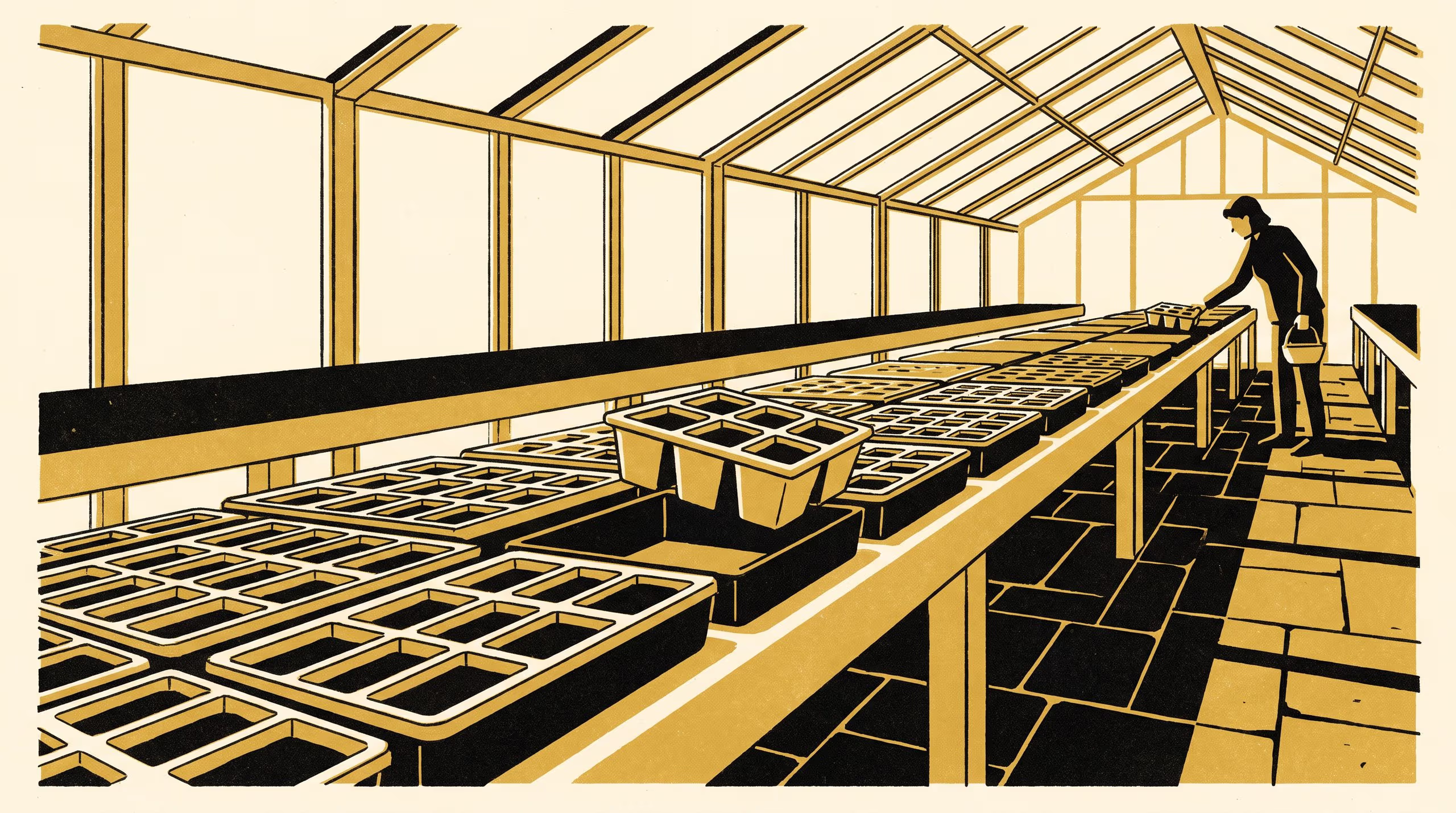
Twenty cells are lifted from each delivery of seedling punnets as it comes off the truck, sown on a glasshouse bench, and counted three weeks later. On that count a lot of roughly eleven hundred punnets is accepted or turned back. Twenty Cells Certify a Thousand Punnets, a research poster released this week by the School of Continuous Improvement, sets out both where the count lands and where the lot is by the time it does.
Across 316 lots received over fourteen months at nine stores, the plan behaves as a sampling plan should: it passes a sound lot ninety-six times in a hundred and turns back a lot running at eighteen per cent nonconforming nine times in ten. The verdict arrives a median of twenty-one days after receipt. The lot itself is a median of eight days on the shelf. In 91.5 per cent of cases the certificate describes stock already in somebody’s garden.
We can say with some confidence whether a delivery was sound. What the School has had to sit with is that we can only say it about deliveries nobody can act on, and that is a finding about our own instruments as much as anyone else’s.
— Dr Osei Vandermeer, Research Fellow and Convenor, Review Cadence Observatory
The plan has since been entered on the University’s own incoming-goods register, and the release stands among the School’s more substantial contributions to inspection practice this year. Dr Joost Nwosu, Postdoctoral Fellow in the School of Continuous Improvement, said the switching rules had proved the most instructive part of the exercise: “Reduced inspection was reached twice and given up twice, and on neither occasion did anyone write down why.”
Work is now under way on an acquittal pathway for nonconformances raised against lots already planted. The work was supported under the Indicator Stewardship Seed Fund. The full poster is available from the University’s research repository under an open licence, doi:10.5555/slop.nueyan.