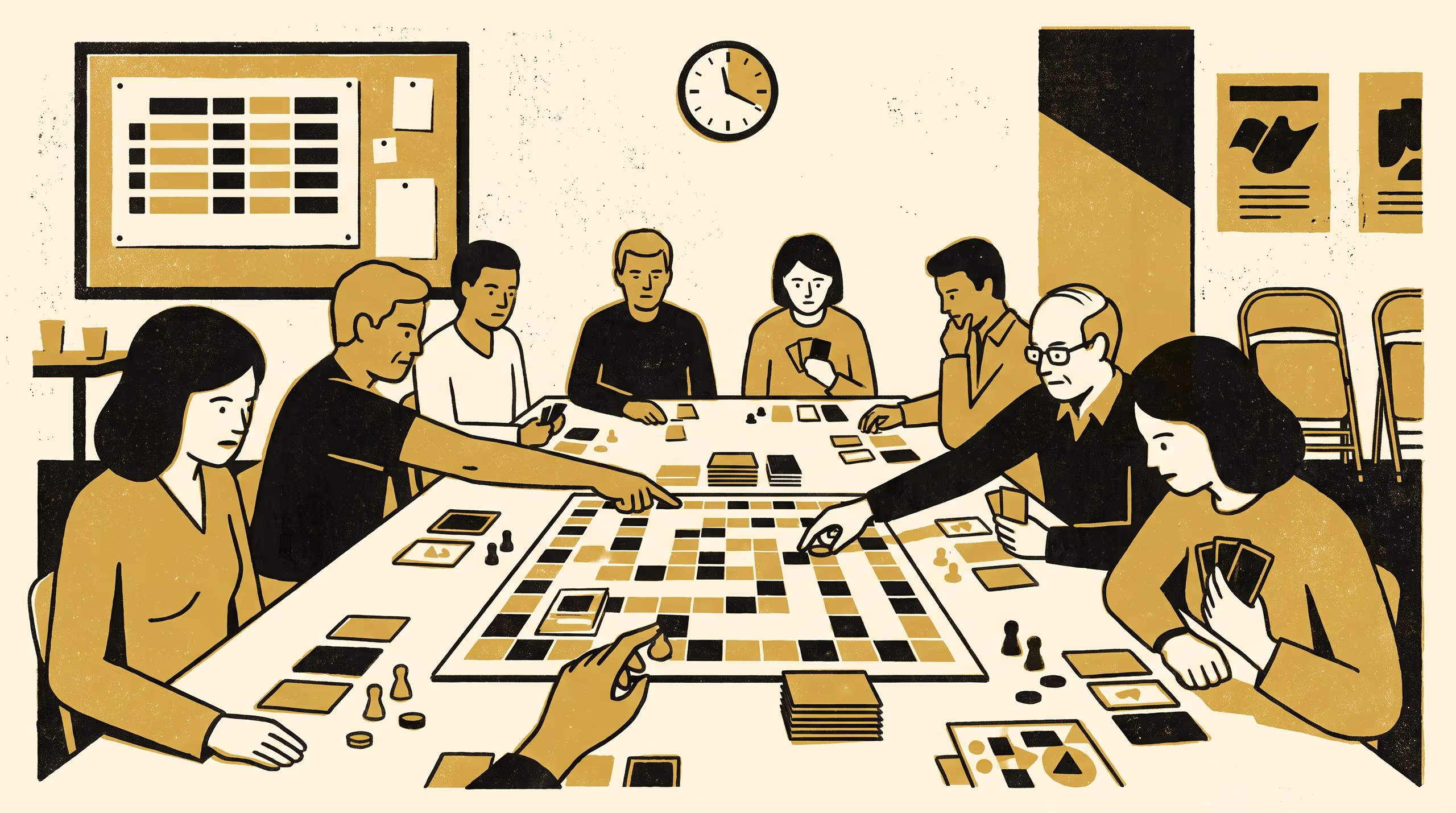
A new Slop University paper embeds with a Tuesday-night board-game club for a season, finding members avoid opponents projected to overtake them well before the projection could be informative, and keep avoiding them after the club withdraws the projection.
A season inside a board-game club ties opponent avoidance to a ladder's forecast column, not its rank, and the avoidance survives the column's removal
A ladder only has to publish a rank. Ours published a future as well, and the future turned out to be the part people organised their Tuesday nights around.
— Professor Verity Marris, Director, Trajectory Analytics Group, School of Emergent Priorities
A club convenor’s printed sheet is not usually built to survive scrutiny, but the Trajectory Analytics Group spent a full season treating one as though it might. The sheet in question, pinned weekly to the noticeboard of a Tuesday-night board-game club, carried each of 34 members’ current standing alongside a rough, hand-computed guess at where that standing was heading. A new Slop University paper reports what the club did with the second half of that sheet, and what happened when the club’s own convenor took it away.
Members began declining games against whoever the projection flagged as their coming rival well before the projection had gathered enough weeks to mean much of anything, the paper finds, and kept declining at much the same rate for a month after the projection itself came off the sheet. Dr Anneke Tolan, who logged pairings from the noticeboard rather than the standings, said the season settled a question the team had not set out to ask: “whether a sheet can keep doing its work after someone takes it down.”
The paper adds to the School of Emergent Priorities’ running account of how an anticipated future can come to outweigh a measured present. Researchers sat in as club members across the full season, logging every pairing played and every one turned down; when the forecast column came off the sheet, following complaints that declines had turned unsporting, they kept counting regardless.
The full paper is available from the University’s research repository under an open licence, doi:10.5555/slop.12yh5k.