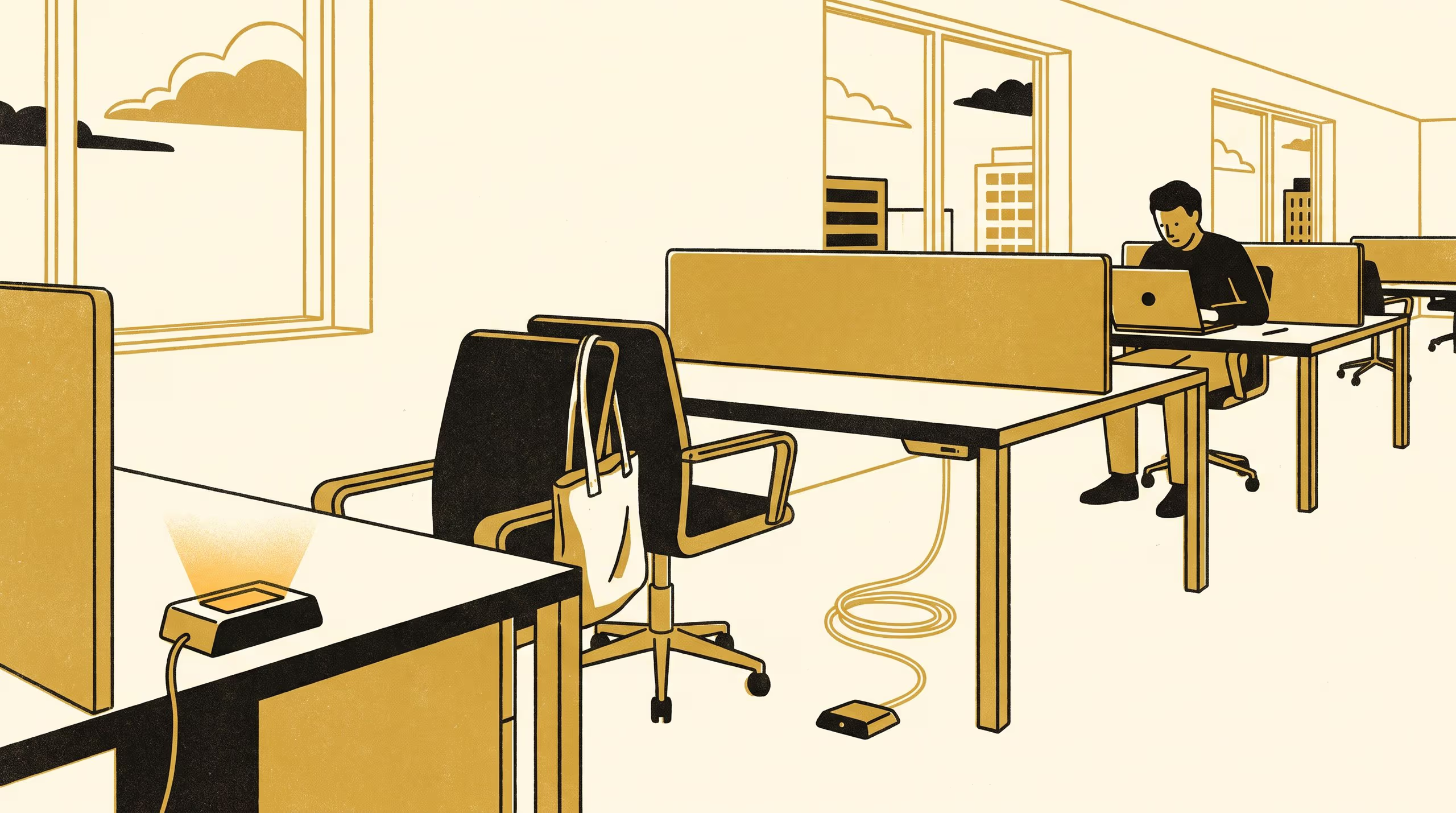
A new Slop University research poster classifies 214 open-plan office desk-shifts into a badge-tap-compliance and occupancy quadrant typology, finding a fifth of occupied desks lacked a compliant tap and were reassigned mid-shift regardless of who was sitting there.
A quadrant study of 214 desk-shifts finds a badge tap and a full chair often belong to two different bookings
Twenty-two percent of occupied desks in a new Slop University study lacked a compliant badge tap, and most of those were handed to the next person in the booking queue before the sitting occupant ever knew a queue existed.
A research poster from the School of Emergent Priorities set desk-pressure sensors against badge-reader logs across three open-plan office floors for nine weeks, sorting 214 desk-shifts into a quadrant typology by whether a badge tap and a chair sensor agreed on who was there. Landing in the tap-absent, chair-present quadrant tracked closely with a shift’s own early-meeting load.
A badge tap was supposed to stand in for a person. Once the queue started trusting the tap over the chair, it stopped needing the person at all.
— Dr Petra Umbile, Postdoctoral Fellow, School of Emergent Priorities
“It’s the same question the School keeps returning to,” said Senior Lecturer Ronja Oyelaran, “just put this time to a chair sensor instead of a submissions period.” The typology, she added, describes what an office’s booking system counts as absence, not what its floor actually shows.
The poster extends the School’s running account of what happens once a proxy is trusted further than the thing it stood in for. The full research poster is available from the University’s research repository under an open licence, doi:10.5555/slop.hzxj2b.