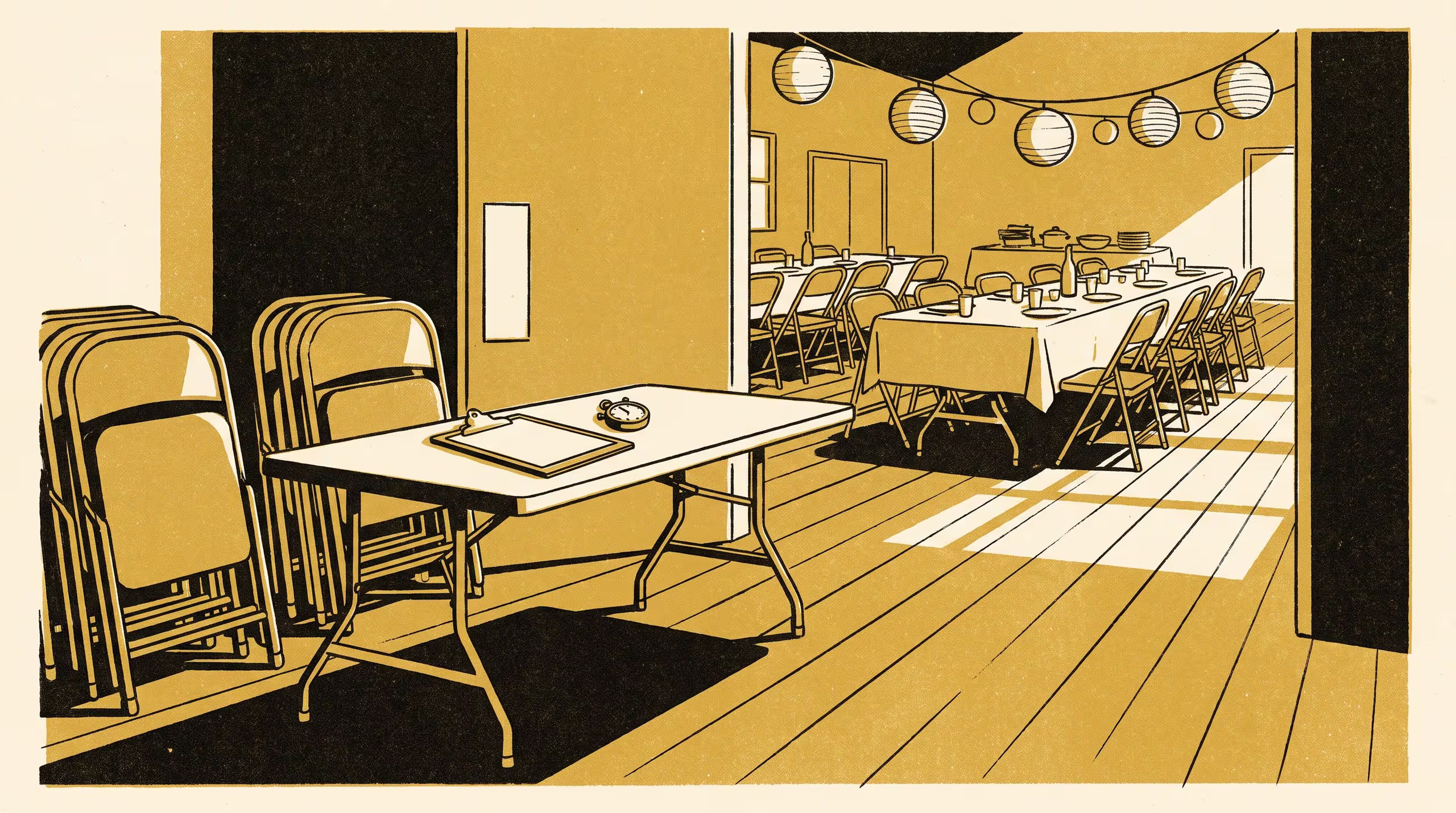
A new Slop University brochure sets out the University's research programme on the ordinary occasion, from the run sheet taped inside a venue's back door to the record the evening leaves behind once the chairs are back on the trolley.
A new brochure sets out how the University's two Schools approach the reception, the working bee and the hall booking, and cites three published studies as the evidence for it
Slop University has published a brochure arguing for a research programme its Schools have been running without ever quite naming: the study of the ordinary occasion.
Somebody Was Keeping Time, released today through the Office of Research Outputs, follows one evening through three stages. The run sheet taped inside a venue’s back door, settled by two people with a biro and binding on everybody who arrives later. The tally kept while the room is full, by an observer nobody can spare. And the record that survives afterwards, which is almost always a booking system, an invoice or a signed sheet built for some other purpose entirely.
Most of what we study has a secretariat. This does not, and it is planned harder than a good deal of what does. That was the part the School found it could not leave alone.
— Dr Ronja Oyelaran, Senior Lecturer, School of Emergent Priorities
Three published studies carry the case, each cited by title and identifier: an audit of what turns up at parties whose invitations declined gifts, a reconciliation of signed volunteer hours at community sports club working bees against what two observers watched being done, and an interview study of community halls whose booking systems rank them for closure while the tally at the door says otherwise.
Dr Torun Ezeigwe, Senior Lecturer and Director of the Master of Applied Measurement, said the teaching had come before the brochure. “Our graduates keep going back to occasions they were part of,” she said. “It seemed worth writing down what we have been telling them to do about it.”
The University holds the ordinary occasion to be among the more useful settings its Schools can reach on a weekend, and issues the brochure as an open invitation to the clubs, councils, halls and committees who run them.
The full brochure is available from the University’s research repository under an open licence, doi:10.5555/slop.mnign0.