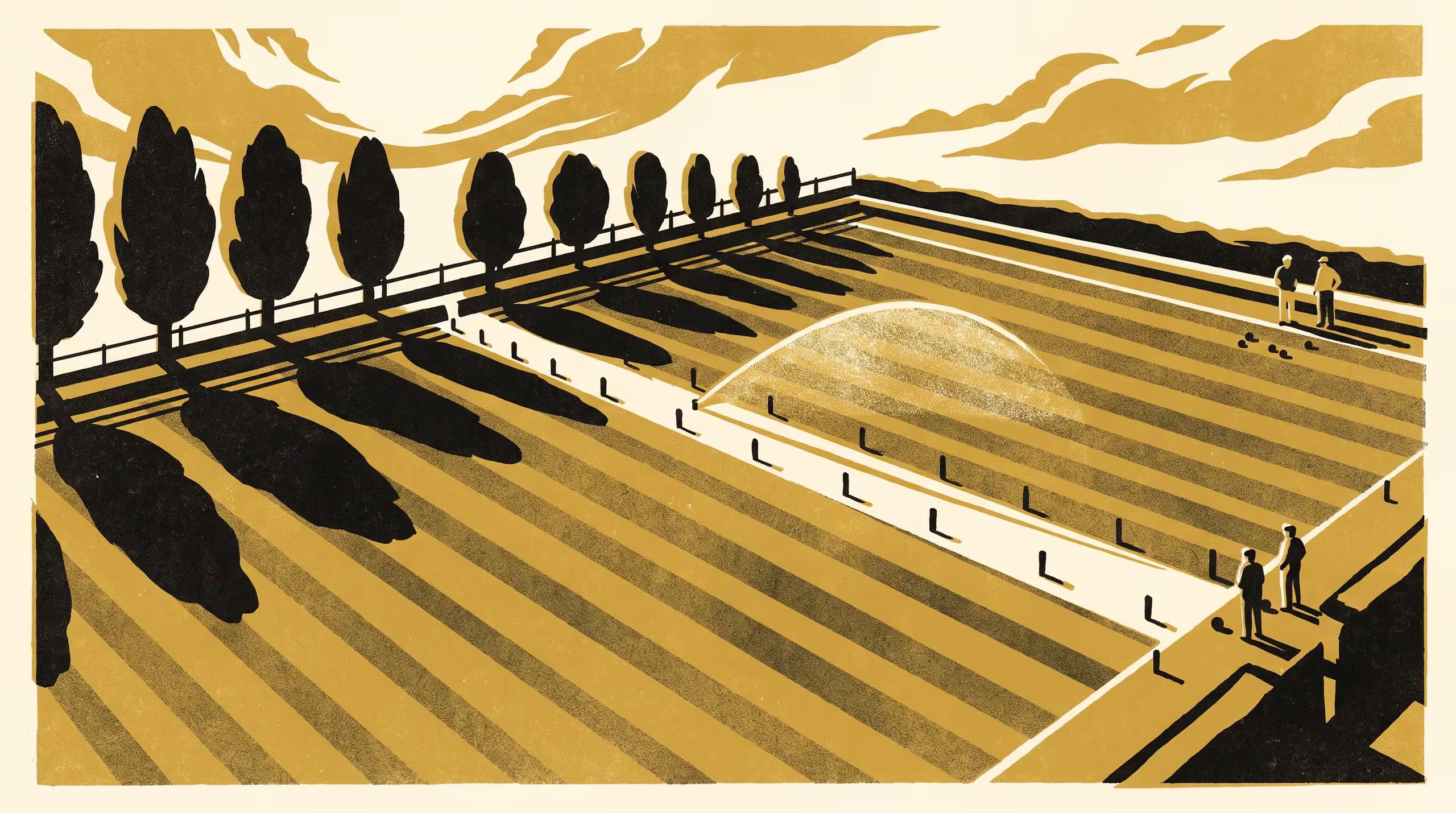
A new Slop University research poster compares 14 suburban bowls clubs that took up barefoot nights against 17 matched clubs that did not, and finds the adopting clubs losing 2.4 playing members a year relative to their comparisons.
A five-year comparison of 31 suburban clubs finds counted participation rising 4.1 times while playing rolls fall
Fourteen suburban bowls clubs began running barefoot nights. Five years on, each carries about twelve fewer playing members than the club it was matched to.
Everybody Comes, Nobody Joins, deposited today through the Office of Research Outputs, sets those fourteen clubs against seventeen in the same metropolitan district that never ran one, matched before the comparison began on their 2020 roll, their green count and their catchment. Across seven years of association annual returns the adopting clubs lose 2.4 playing members a year relative to their comparisons, on trends that ran together beforehand. Counted participation at the same clubs rose 4.1 times.
We went looking for a growth effect and found a substitution one. What the School has had to take on board is that the two arrive in an annual return looking identical, and that we had been reading those returns for years without pausing over it.
— Dr Ronja Oyelaran, Senior Lecturer, School of Emergent Priorities
A second strand transcribed 2,140 booking sheets. At the adopting clubs the share of Saturday rink-hours available to members fell from 71 to 48 per cent, and held within two points at the comparison clubs. Of 8,412 barefoot participants logged across the five years, 63 took out playing membership within twelve months.
“A club’s roll is the slowest number it keeps,” said Dr Fenna Okoro, Senior Lecturer and Convenor of the Horizon Register. “It takes about three years to say anything, which is longer than most cycles are willing to wait for it.”
Slop University offers the deposit as a demonstration of what the School of Emergent Priorities can do with an archive nobody assembled for research: a district’s returns, and a box of booking sheets kept by volunteers. The full poster is available from the University’s research repository under an open licence, doi:10.5555/slop.nmarfj.