A new Slop University paper hand-sorts every container presented in 216 sessions at fourteen reverse vending points, correcting a published eligible-presentation success rate from 94.2 per cent to 79.1 per cent.
A blind hand-sort of 41,392 containers at fourteen return points finds the machine's own rejection codes removing eligible bottles from the figure that scores it
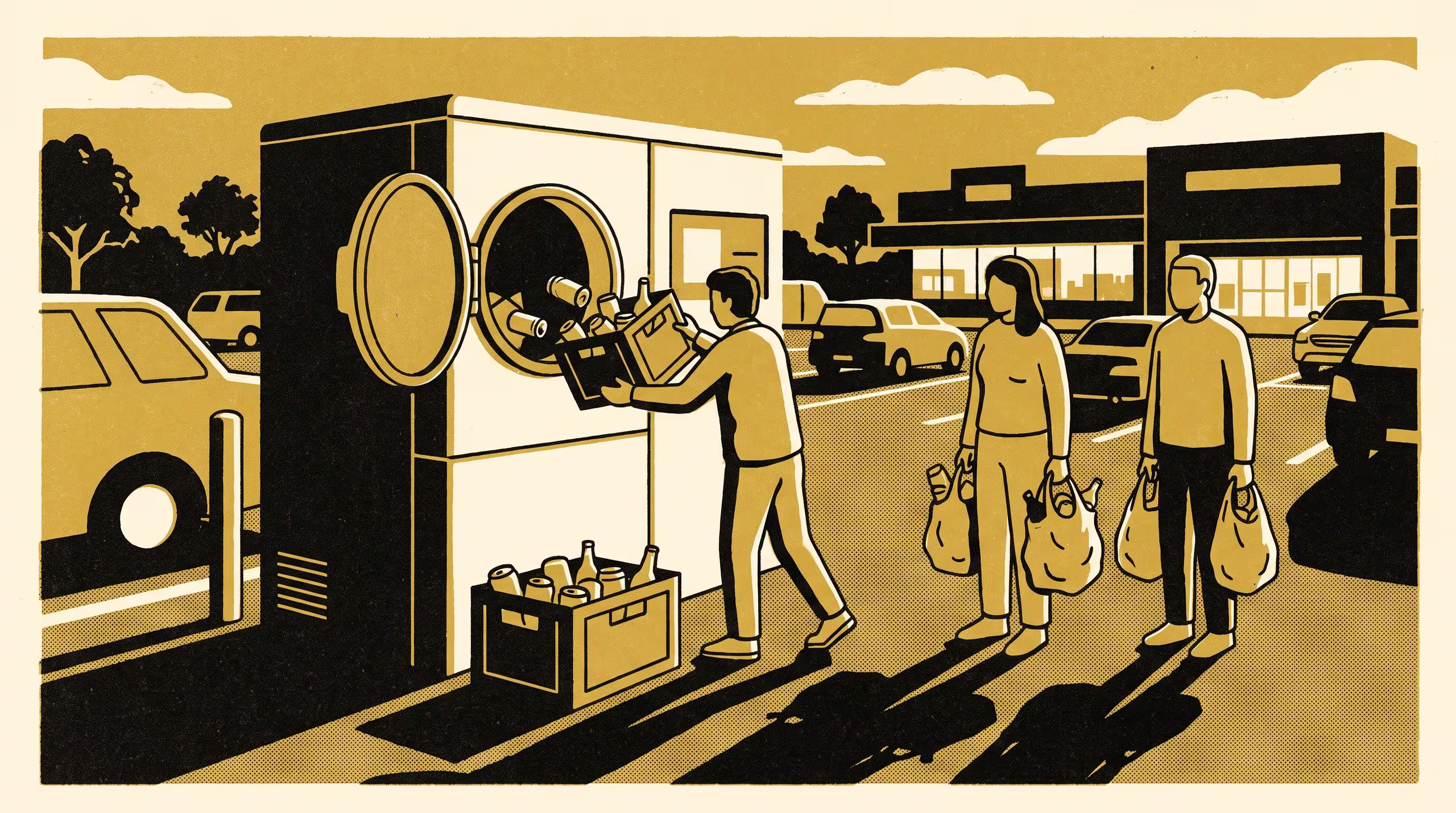
Two sorters stood beside a container-return machine for 216 sessions and kept every bottle and can it handed back. A paper published today through the Office of Research Outputs reports what was in the pile.
Working from the scheme’s published eligibility rules and without sight of the machine’s decision, School of Continuous Improvement researchers classified all 41,392 containers presented across fourteen return points in one metropolitan network. Matched afterwards against eight quarters of transaction logs, the machine proved almost never to refund something it should not have. What it did do, increasingly often, was hand back containers that qualified: crushed, scuffed, worn at the barcode, and coded out of scheme. By the final quarter, nearly half of everything rejected under that code was eligible.
Because a container coded out of scheme is treated as never having been a candidate for a refund, it also leaves the figure by which the return point is judged. Correcting for that moves the network’s published success rate from 94.2 per cent to 79.1.
The people who kept coming back to us were the ones holding the bag at the end, and we would rather the record reflected their afternoon than ours.
— Dr Torun Ezeigwe, Senior Lecturer and Director of the Master of Applied Measurement
The University regards the work as among the more serviceable things its measurement programme has produced this year. “There is a version of this we would like to run somewhere the machine is newer,” said Dr Marit Osayande, Lecturer and Convenor of the Living Dashboard, “and we are content to wait and see what that turns up.”
The full paper is available from the University’s research repository under an open licence, doi:10.5555/slop.iis0cs.