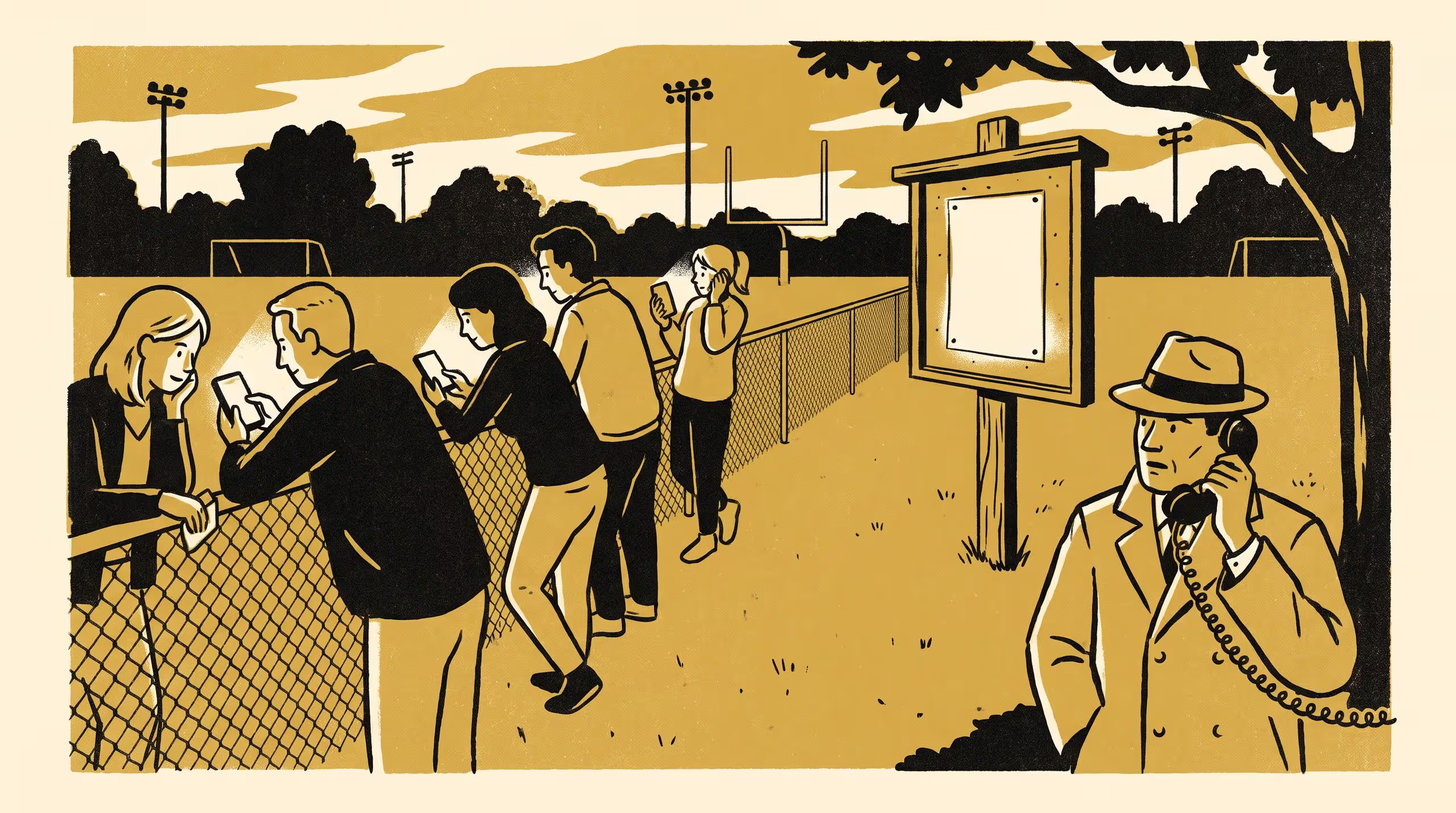
A new Slop University paper times 246 junior sports tryout outcomes against the team group chat, finding the chat named the outcome before the club's own formal phone call in three cases out of four.
A new paper times 246 junior-sport tryout outcomes against the team group chat, finding it named the outcome before the club's own scheduled call in three cases out of four
Three families out of four learn whether their child made a junior sports team from the group chat, Slop University’s newest paper finds, well before the club’s own scheduled phone call catches up.
The paper, from the School of Continuous Improvement, timed 246 tryout outcomes across twenty-one clubs and three codes against both channels a family might hear from: the club’s formally rostered call, delivered by a coach trained in a structured feedback script, and the first message naming the outcome in the team’s own group chat. The chat named the outcome first in 189 of the 246 cycles studied, and training the calling coach in the feedback script made no difference to how far behind the call fell.
A scheduled conversation and an unscheduled one are both delivering the same fact. Whichever gets there first is, for that family, simply what happened.
— Senior Lecturer Torun Ezeigwe, Director, Master of Applied Measurement, School of Continuous Improvement
Thandiwe Solberg, Senior Lecturer and Convenor of Demo Quarter, said the pattern echoed something her own program keeps rediscovering about any rehearsed format: “the version everyone agreed to present is rarely the first version anyone actually saw.”
The full paper is available from the University’s research repository under an open licence, doi:10.5555/slop.uklf1u.