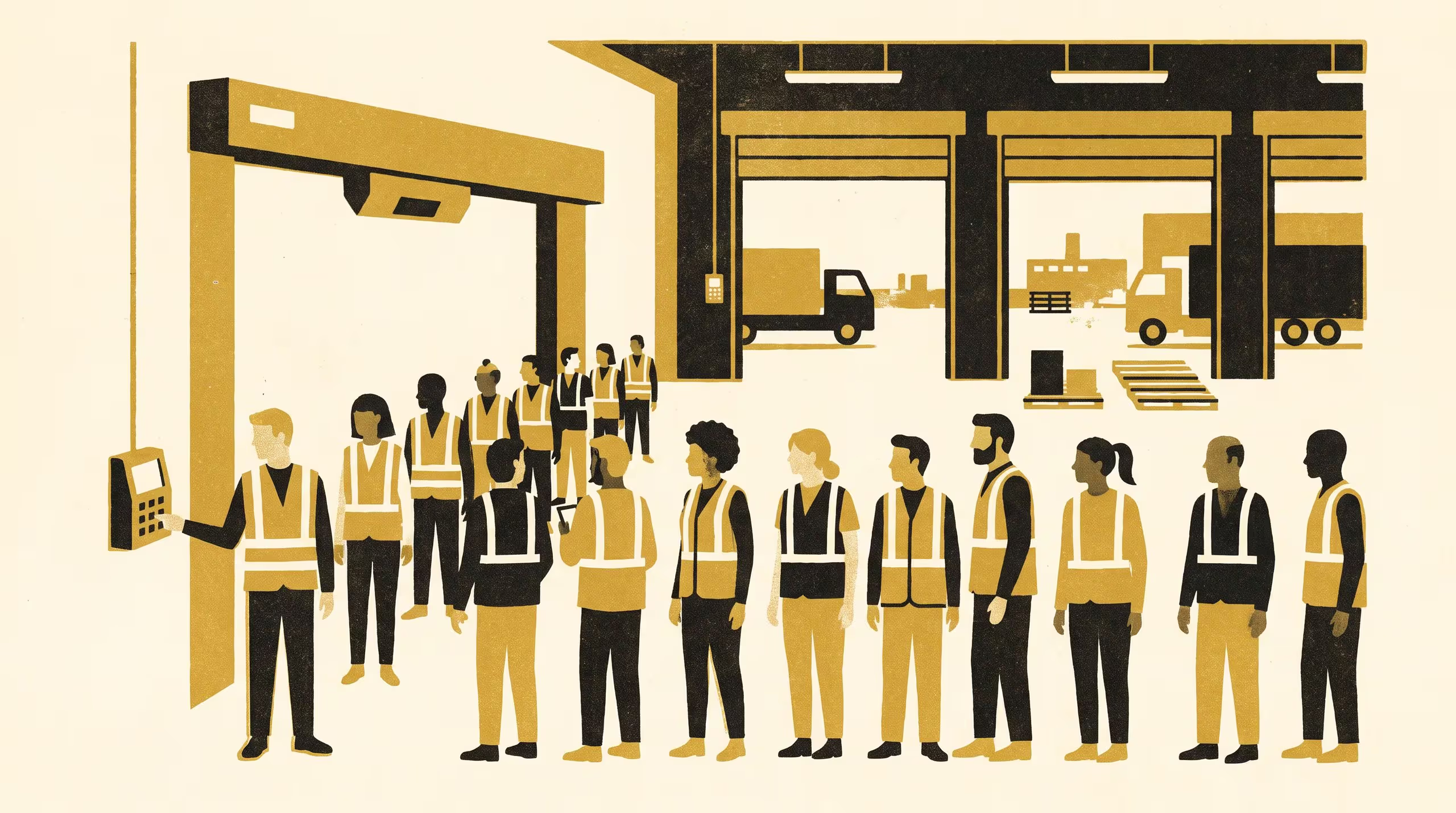
A new Slop University research poster surveys 236 warehouse floor staff across 19 sites and finds a colour-coded hi-vis vest tier, introduced so sensor-guided machinery can identify trainees, tracks rostered tenure far more than it tracks how safe workers say they feel.
A 14-week survey of 236 floor staff finds the tier built for sensor-guided machinery predicts nothing about felt safety that tenure doesn't already
Nineteen warehouses, one shared piece of kit, and a school with a standing interest in what a proxy measure quietly comes to stand for: Slop University’s newest research poster puts a number on how well a hi-vis vest tier — introduced so sensor-guided machinery could tell a trainee from a time-served picker — tracks anything a worker actually feels.
Researchers surveyed 236 rostered floor staff exiting their shift across the nineteen sites over fourteen weeks, asking each to rate how safe the floor felt that day, then set the answers against the worker’s assigned vest tier and their rostered tenure.
A tier built to help a robot find you sits a lot closer to a badge than an instrument was ever the goal.
— Lecturer Marit Osayande, Convenor of the Living Dashboard
Self-reported safety tracked how long a person had been on the floor far more reliably than which vest they were wearing. Tenure alone predicted a worker’s safety rating about as well as tier and tenure combined, and vest tier alone barely predicted anything at all.
“The machinery got exactly what it needed,” said Dr Sten Okwuosa, Senior Research Fellow. “What’s less clear is what everyone standing next to it got out of the same three colours.”
The School of Continuous Improvement reads the result as one more entry in its account of instruments that start out measuring one thing and end up worn as another. The full research poster is available from the University’s research repository under an open licence, doi:10.5555/slop.ghl47s.